2026 Best Building Cladding Panels What to Know?
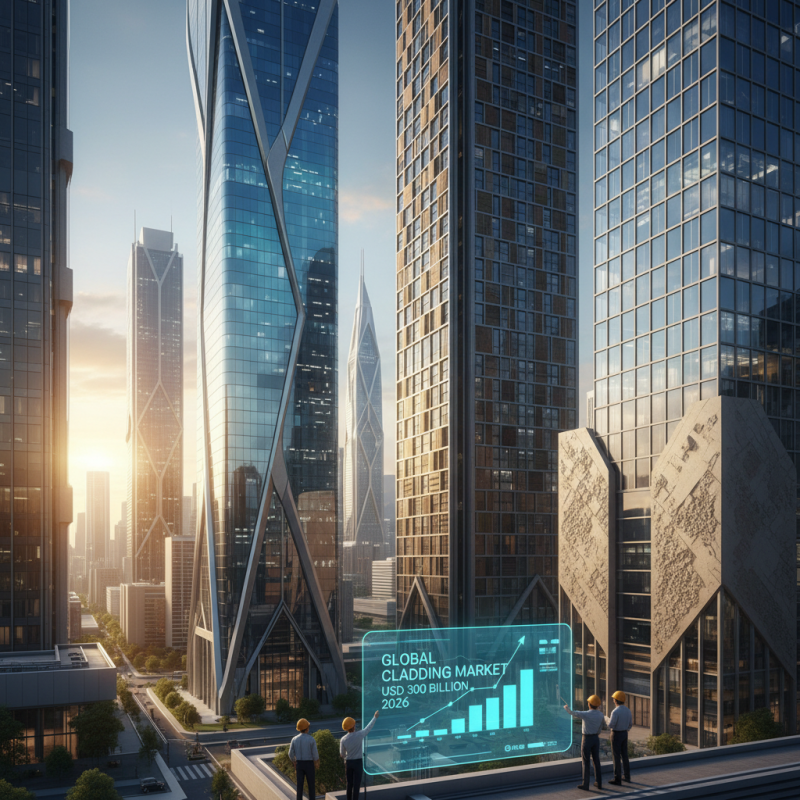
In the landscape of modern architecture, building cladding panels play a pivotal role. Their aesthetic appeal and functionality have transformed city skylines. According to a recent report by MarketsandMarkets, the global cladding market is projected to reach USD 300 billion by 2026, signaling a robust growth trend.
Choosing the right building cladding panels involves more than just design. Performance, insulation, and durability are key factors that influence decisions. For instance, panels made of metal or composites offer superior weather resistance, while traditional materials may struggle. Additionally, sustainability concerns lead many designers to consider eco-friendly options, which often come with their own set of challenges.
Many builders and architects overlook long-term maintenance when selecting materials. While some panels may look great initially, they might require frequent upkeep. Understanding the lifecycle of various cladding options is essential for informed decision-making. As innovations emerge, reflecting on past choices will become even more crucial.
Understanding Building Cladding Panels: Definition and Importance
Building cladding panels serve as the outer skin of structures. They protect buildings from weather elements and enhance their aesthetic appeal. Cladding materials come in various types, including metal, wood, and composite. Each option presents unique benefits and challenges. It’s crucial to understand these differences for informed decisions.
The choice of cladding directly impacts energy efficiency. Proper insulation can reduce heating and cooling costs. However, not all materials offer the same thermal performance. Some may require regular maintenance or repainting, leading to additional expenses. Sustainable options exist but often come with a higher upfront cost, requiring careful consideration.
Understanding the roles of cladding panels helps in various ways. They not only offer protection but also can improve sound insulation. A quiet building can significantly enhance comfort levels. Yet, achieving this requires careful selection of materials and installation practices. Not every approach is perfect, which demands ongoing reflection on performance and suitability.
2026 Best Building Cladding Panels: Key Characteristics
This chart illustrates the key characteristics to consider when evaluating building cladding panels for 2026. Each category represents an important feature, rated on a scale of 1 to 10 based on its overall significance in the selection process.
Types of Building Cladding Panels and Their Characteristics
When choosing cladding panels for buildings, understanding the types and their characteristics is crucial. Various materials dominate the market. Each has its own advantages and drawbacks. For instance, aluminum panels are popular for their lightweight and corrosion-resistant properties. They can last for decades, but they may dent easily under heavy impacts.
Wood cladding offers a natural aesthetic. It can enhance a building's visual appeal. However, wood requires regular maintenance to prevent rot and insect damage. In a recent industry report, it was noted that nearly 40% of architects prefer using materials like fiber cement for lower maintenance demands. Fiber cement is durable and fire-resistant, yet it can be more expensive upfront.
Another option is vinyl cladding. It's affordable and easy to install. Many homeowners choose vinyl for its low upkeep needs. However, its lifespan is relatively short compared to metal or fiber options. Understanding these characteristics helps in making informed decisions. Consider how these materials align with the building's purpose and expected lifespan. Mistakes in choosing the wrong cladding can lead to significant costs later.
Key Factors to Consider When Choosing Cladding Panels
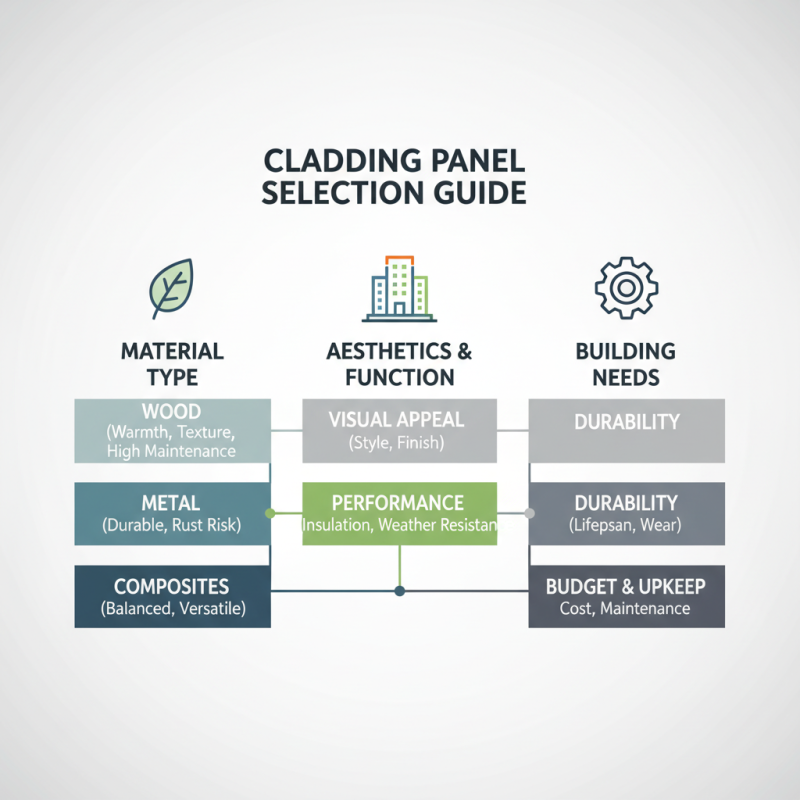
When selecting cladding panels, several key factors must be considered. These panels play a vital role in a building's aesthetic and functionality. First, the material matters. Options vary from wood to metal and composites. Each has distinct advantages and drawbacks. For example, wood offers warmth and texture but requires more maintenance. Metal, on the other hand, provides durability but can be prone to rust. It’s essential to reflect on what best suits your building's specific needs.
Another important aspect is insulation. Some cladding panels provide better thermal performance than others. This can impact energy efficiency and long-term costs. Think about the local climate, too. In colder regions, panels with high insulation properties are crucial. Meanwhile, fire performance is also a concern. Poor choices could jeopardize safety and lead to costly revisions later on.
Lastly, the installation process should not be overlooked. Complex designs can elevate costs and timelines. It’s wise to evaluate whether the benefits of a specific design justify the challenges. Choosing the right cladding panels requires careful thought and should balance aesthetics with practical concerns and safety. Reflect on what matters most in those choices before making a decision.
Top Trends in Building Cladding Materials for 2026
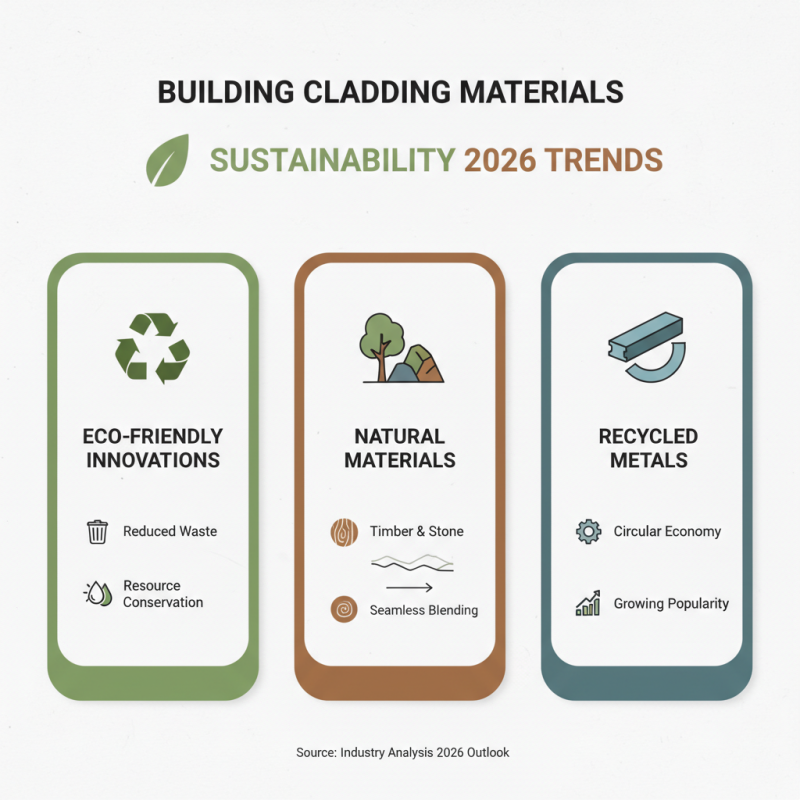
As we look toward 2026, building cladding materials are evolving. Sustainability tops the list of trends. Eco-friendly materials reduce waste and conserve resources. More architects prioritize natural materials like wood and stone. Recycled metals are also gaining traction. These choices make buildings blend seamlessly into their surroundings.
Another key trend is technology integration. Smart materials can adjust to weather changes. For instance, photochromic panels change color in sunlight. These panels not only enhance aesthetics but also improve energy efficiency. Yet, challenges remain. Manufacturers must ensure durability in varying climates. Still, the shift towards innovative solutions is clear.
Ventilation systems integrated into cladding are also emerging. These systems help regulate internal temperatures. This trend promises healthier indoor environments. However, not every building can implement these features well. Architects must customize designs to maximize effectiveness. Balancing aesthetics and function remains a puzzle for many. Building cladding in 2026 is about much more than mere appearance.
Maintenance and Durability of Building Cladding Panels
When it comes to building cladding panels, maintenance and durability are crucial factors for property owners. According to a recent report by the International Institute of Building Enclosure Consultants, nearly 54% of building failures can be attributed to improper maintenance of cladding systems. This highlights the need for regular inspections and timely repairs.
Durability varies significantly across materials. For example, fiber cement panels can last over 50 years with minimal upkeep. In contrast, vinyl siding shows signs of wear after only 20 years. The choice of material impacts long-term maintenance tasks. Homeowners must weigh initial costs versus future maintenance needs carefully.
Even the best panels require attention. Accumulated dirt can lead to corrosion. Regular washing helps avoid lasting damage. Some panels might need sealing every few years to maintain appearance and function. It’s a delicate balance between aesthetics and functionality, and many owners often overlook that maintenance can be as important as the choice of materials.