2026 Best Pipe Fittings for Global Buyers Guide?
In the world of plumbing and construction, pipe fittings play a crucial role. These essential components connect pipes and ensure the efficiency of fluid systems. For global buyers in 2026, understanding the best pipe fittings available is vital. The landscape of pipe fittings is changing rapidly. New materials and innovative designs emerge every day, making it challenging to select the right options.
Quality and durability are key factors that buyers should consider. Not all pipe fittings offer the same reliability. It's important to examine brands and their reputation in the market. Some products may not live up to expectations. This can lead to project delays and unexpected costs. Buyers must be cautious and do their research.
With a focus on expertise and quality, this guide aims to illuminate the best pipe fittings for your needs. Awareness of available choices can lead to smarter purchasing decisions. As you navigate the options, remember that each fitting has its unique strengths and weaknesses. Balancing these factors is essential for long-term success in any project involving fluid systems.
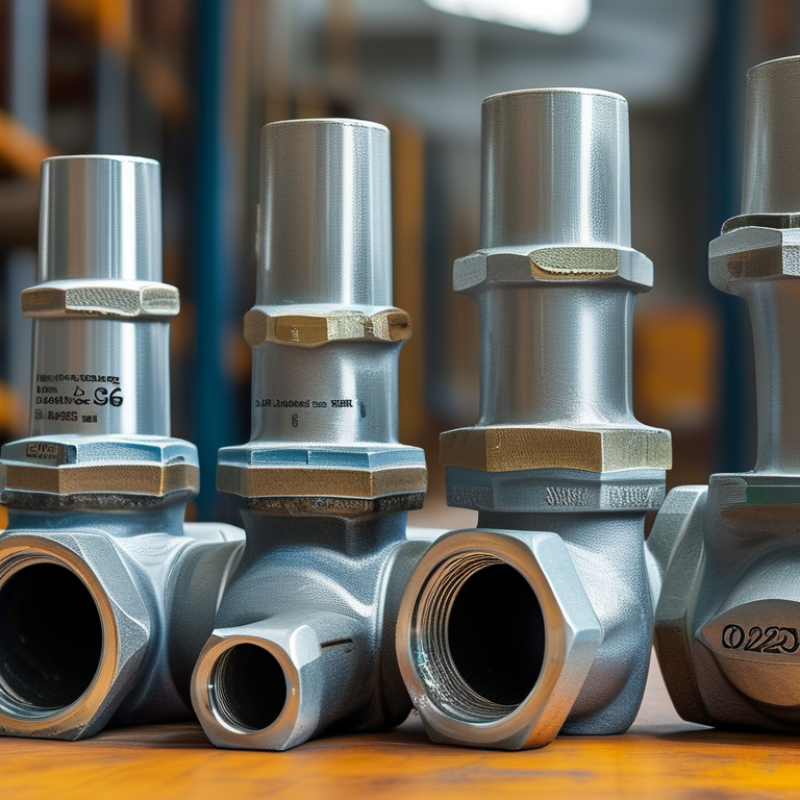
Global Overview of Pipe Fittings in 2026
The global pipe fittings market in 2026 will showcase significant advancements and innovations. Buyers will face the challenge of selecting from a diverse range of materials and technologies. Understanding the types of pipe fittings available is essential for making informed decisions. Whether it’s for plumbing, industrial applications, or construction, each material has unique characteristics that impact durability and performance.
Tips: Look for corrosion-resistant materials. They last longer and minimize maintenance costs.
Environmental sustainability will also be a crucial consideration. More buyers are prioritizing eco-friendly options. This shift requires careful research and an understanding of the manufacturing processes involved.
Look for certifications that guarantee environmental compliance and safety performance.
As the market evolves, adaptability will be key. Trends may shift quickly, making it vital for buyers to stay updated. Engaging with industry experts and attending trade shows could provide valuable insights. However, reliance on trends alone can lead to miscalculations, so a balanced approach is necessary.
Key Material Types Used in Pipe Fittings
When selecting pipe fittings, understanding the key material types is crucial. Each material has different properties, making it suitable for various applications. Common materials include PVC, metal, and rubber. PVC is lightweight and resistant to corrosion. It is often ideal for drain, waste, and vent systems. However, PVC is not always flexible.
Metal fittings, such as those made from stainless steel, offer strength and durability. These materials can handle high-pressure systems effectively. Yet, they are more expensive and can corrode under harsh conditions. The choice between metal and plastic often boils down to the specifics of the project. Rubber fittings are commonly used for their elasticity and ability to withstand vibrations. However, they are not as durable for long-term outdoor use.
It's essential to consider the intended application and environment when choosing materials. Each has strengths and weaknesses. The selection process may require careful thought. Ignoring the specifics can lead to costly mistakes. Thus, a thorough understanding of material properties is vital for making informed decisions in pipe fitting applications.
2026 Best Pipe Fittings for Global Buyers Guide
2026 Best Pipe Fittings for Global Buyers Guide
Top Manufacturers and Their Market Influence
When exploring the pipe fittings market, understanding key manufacturers is vital. Various companies lead the industry, shaping trends and standards. Their influence extends beyond production, affecting supply chains and project costs. Each manufacturer has a unique approach, responding to the diverse needs of global buyers.
Market dynamics reveal the importance of quality and innovation. Some manufacturers focus on durable materials. Others prioritize cutting-edge designs to improve functionality. This creates a competitive landscape, where buyers seek more than just affordability. Supply chain reliability also matters. Manufacturers who ensure timely delivery can gain a significant edge.
However, relying solely on brand reputation can be misleading. Every buyer should conduct thorough research. An evaluation of product performance can reveal shortcomings that impact long-term use. Customer feedback plays a crucial role in assessing reliability. Buyers must balance brand influence with personal experience. This nuanced approach fosters informed decision-making in the complex market of pipe fittings.
Emerging Trends in Pipe Fitting Technology
The landscape of pipe fitting technology is evolving rapidly. Recent industry reports indicate that the global pipe fittings market is expected to reach $109.9 billion by 2026, driven by advancements in materials and manufacturing processes. Innovations in additive manufacturing are allowing seamless designs that were once thought impossible. These new techniques enable rapid prototyping, reducing lead times for custom fittings.
According to a study published by a leading industry association, the adoption of smart technology in pipe fittings is on the rise. These intelligent systems can monitor pressure, temperature, and flow rates in real-time. This capability can lead to significant cost savings and efficiency improvements. However, the integration of such technologies raises concerns about data security and compatibility with existing systems.
The trend toward sustainability is also influencing pipe fitting technology. Reports show that eco-friendly materials, such as recycled plastics and bio-based composites, are gaining traction. While these materials offer environmental benefits, questions remain about their long-term durability and performance in extreme conditions. Balancing innovation with reliability will be essential as the industry moves forward.
Best Practices for Choosing Pipe Fittings in Different Applications
When selecting pipe fittings, application specifics are crucial. Different environments require different materials. For example, stainless steel is ideal for corrosive environments. It offers durability and resistance. However, it may not be necessary for less demanding applications.
PVC fittings can serve well in non-pressurized systems. They are lightweight and easy to install.
Understanding pressure ratings is vital too. Each fitting has a maximum pressure limit. Exceeding this limit may lead to failures. As a result, ensuring the right match is important. Also, consider the temperature range for your application. High-temperature scenarios need fittings rated for those extremes. Ignoring this can result in dangerous situations.
Installation methods also vary. Some fittings require welding, while others use adhesives. Each method has its pros and cons. Welded joints are strong but time-consuming. Adhesives are quick, but may not hold under stress. Assessing the installation method early on can save both time and resources. Reflecting on these factors will enhance decision-making for optimal performance.