2026 Top Cladding Panels Trends Innovations and Applications?
In 2026, the industry is witnessing remarkable changes in cladding panels. These materials play a crucial role in building design and energy efficiency. According to Dr. Lisa Grey, a leading expert in architectural materials, "The future of cladding panels is about sustainability and aesthetics." This statement encapsulates the current focus on innovative designs and eco-friendly options.
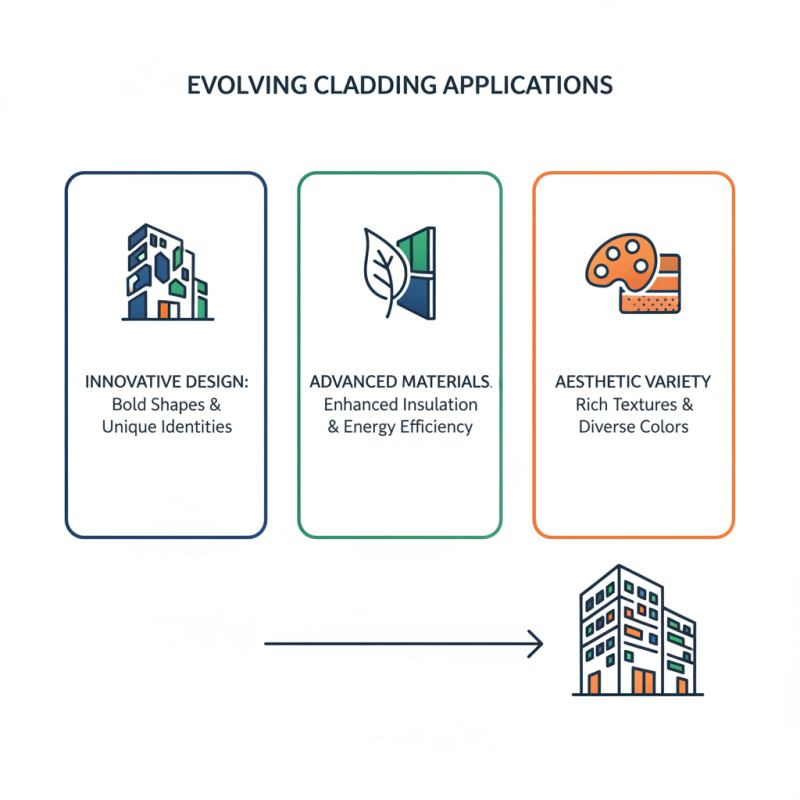
Recent trends emphasize lightweight materials and easy installation techniques. Manufacturers are experimenting with textures, colors, and finishes. Consumers increasingly desire unique appearances that also serve functional purposes. However, sustainability remains a challenge that requires ongoing reflection within the industry.
While many advancements are promising, some manufacturers still overlook the vital role of recycling. Not all cladding panels are created equal—from durability to environmental impact. Professionals must prioritize responsible sourcing and production methods as they shape future environments. Balancing aesthetics and functionality in cladding panels can be a complex task. Yet, it is essential to lead the industry towards a greener and more innovative future.
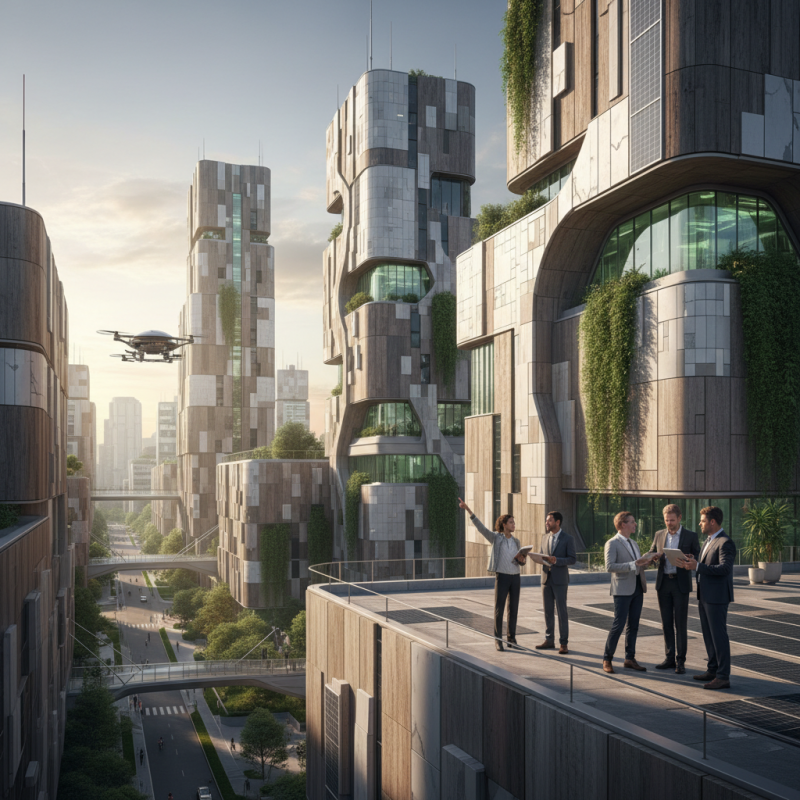
Overview of Cladding Panels: Definition and Importance
Cladding panels are a crucial component in modern architecture. They provide an exterior layer that enhances aesthetics and protects buildings. These panels improve energy efficiency and offer weather resistance. According to a recent industry report, the global cladding market is projected to reach USD 320 billion by 2026. This growth reflects rising urbanization and increased demand for sustainable solutions.
The importance of cladding panels extends beyond mere decoration. They play a vital role in thermal insulation, reducing energy consumption significantly. A study found that proper cladding can lead to energy savings of up to 30%. However, there are challenges. Some materials can deteriorate over time, leading to costly repairs. As innovations emerge, it is vital to consider longevity and maintenance.
Additionally, the choice of materials can impact environmental sustainability. Many new panels are made from recycled or sustainable sources. Yet, some innovations still rely on non-renewable resources. The balance between aesthetics, functionality, and sustainability remains a complex issue for architects. The cladding panels of 2026 will need to reflect these challenges and innovations clearly.
2026 Top Cladding Panels Trends Innovations and Applications
Emerging Materials in Cladding Panels: Trends for 2026
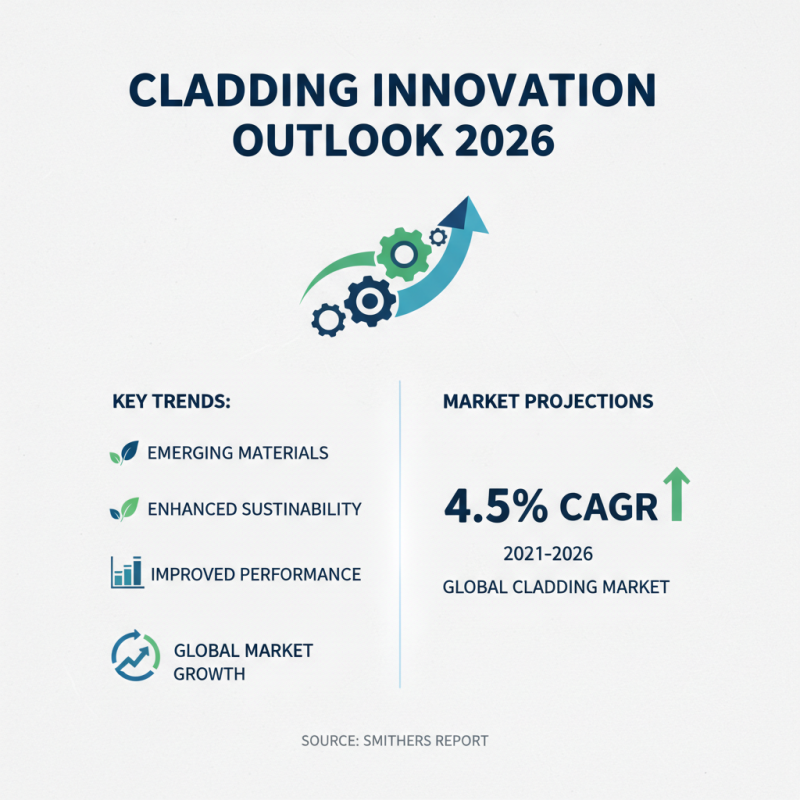
The cladding panel industry is poised for significant innovation by 2026. Emerging materials are driving trends that promise enhanced performance and sustainability. According to a recent report by Smithers, the global cladding market is expected to grow at a CAGR of 4.5% from 2021 to 2026. This growth reflects the shift towards materials that not only meet aesthetic needs but also environmental standards.
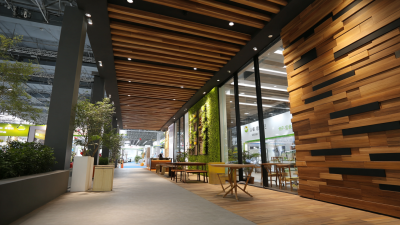
Natural materials, like bamboo and reclaimed wood, are gaining traction. They offer beauty and sustainability. Bamboo, for instance, grows rapidly and absorbs carbon efficiently. Reclaimed wood creates a unique look, but sourcing can be inconsistent. There’s still a debate about durability versus appearance.
Another trend involves synthetic materials like fiber-reinforced polymers. These panels promise longevity and weather resistance. However, concerns about recyclability remain. Designers and builders must prioritize eco-friendly choices. An exciting development is the rise of bioplastics, which may redefine usage. They deliver functionality without the heavy environmental footprint. Establishing standards in this area is vital. This balance between innovation and ethics will shape the cladding landscape in 2026.
Sustainability and Environmental Impact of Cladding Panels
The environmental impact of cladding panels is increasingly important. As buildings rise, so does the need for sustainable materials. Many cladding options now feature recycled content, reducing waste. This shift encourages manufacturers to prioritize eco-friendly practices. For example, bamboo and reclaimed wood are popular choices. They provide durability while minimizing environmental footprints.
However, not all materials perform equally. Some may look appealing but fail in energy efficiency. The production processes can be harmful, too. It's essential to consider lifecycle impacts. A panel might save energy in use but consume resources during manufacturing. Thus, a careful evaluation is crucial.
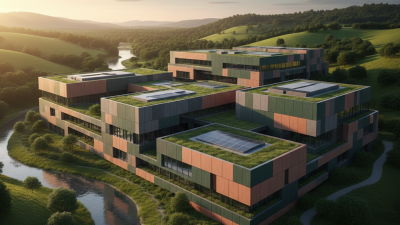
Innovative solutions are emerging in cladding design. Photovoltaic panels integrated into building facades offer a dual purpose. They provide insulation and generate energy. This approach helps in reducing reliance on non-renewable resources. Yet, such technologies remain in development. They require significant investment and research. As more architects adopt sustainability, cladding panels will evolve further, but challenges remain.
Future Forecast: Predictions for Cladding Panel Innovations Beyond 2026
The future of cladding panel innovations extends far beyond 2026. Emerging technologies promise to reshape design and functionality. Expect to see increased integration of smart materials that respond to environmental changes. These materials can adapt to temperature shifts. Imagine buildings that ensure optimal energy usage, reducing waste.
Recycling and sustainability remain at the forefront. Cladding panels will increasingly utilize recycled materials. There's a growing emphasis on reducing the carbon footprint. However, challenges exist in developing efficient recycling processes. How can the industry improve? The balance between aesthetics and functionality will also shift. Designers may face dilemmas in merging beauty with purpose.
Anticipate diverse applications, from residential homes to urban skyscrapers. Customization options will expand, allowing for unique artistic expressions. Yet, overemphasis on personalization could lead to inconsistency. Finding a balance will be critical. The journey of cladding innovations is exciting, but far from perfect. How will these trends evolve? It's an ongoing exploration that demands reflection.
2026 Top Cladding Panels Trends Innovations and Applications
| Trend/Innovation |
Description |
Application |
Material |
Sustainability Rating |
| Smart Cladding |
Integration of IoT sensors for monitoring conditions |
Commercial buildings, smart homes |
Composite materials with electronics |
High |
| Eco-Friendly Panels |
Made from recycled materials to reduce waste |
Residential and commercial applications |
Recycled aluminum, bio-composite |
Very High |
| Modular Cladding Systems |
Pre-fabricated panels for quick installation |
Urban developments, quick builds |
Steel, polymer composites |
Medium |
| Facade Greenery |
Integration of living walls for insulation |
Commercial skyscrapers, eco-buildings |
Organic materials, soil systems |
High |
| Dynamic Facades |
Panels that adjust to sunlight and weather |
Energy-efficient buildings |
Smart glass, polymers |
Very High |