2026 Top Building Panels Trends and Innovations to Watch?
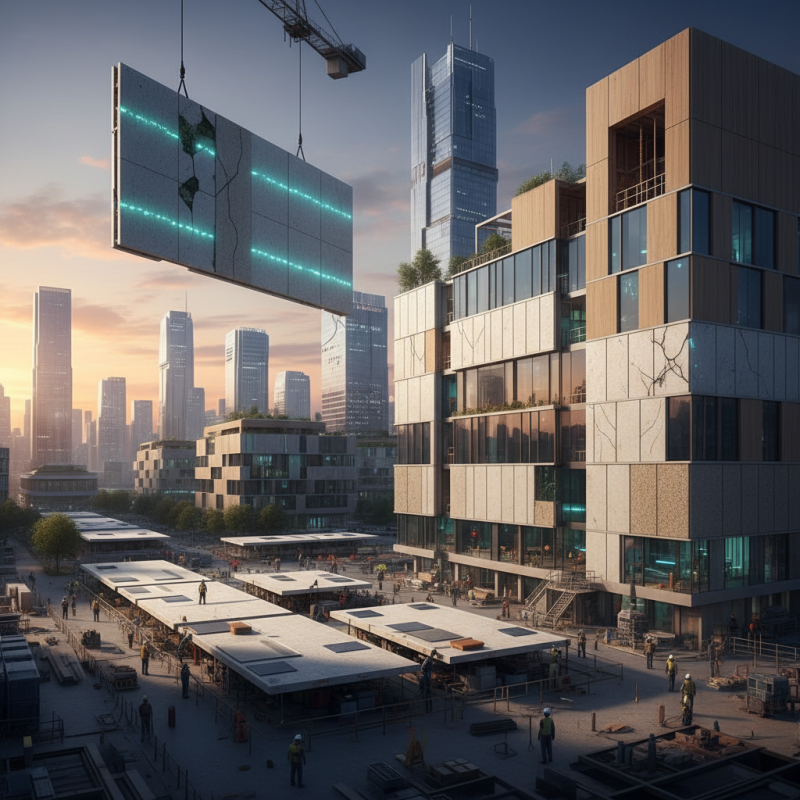
In the dynamic landscape of construction, building panels play a crucial role. These panels are not just materials; they shape our environments. As we approach 2026, several trends are emerging.
Innovations in building panels are transforming design and functionality. Lightweight materials are making construction faster. Sustainable options are rising in popularity, responding to climate concerns. However, not all advancements are flawless. Some panels face durability issues, raising questions about long-term performance.
Market demand continues to push manufacturers to explore new technologies. Smart panels are becoming a talking point, integrating sensors and energy efficiency. Yet, balancing cost and quality remains a challenge. Watching these trends will be essential for anyone in the construction industry.
Emerging Materials in Building Panel Technology for 2026
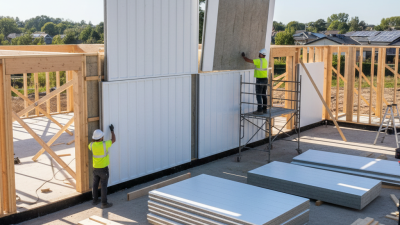
As we approach 2026, the building panel industry is witnessing exciting innovations. Emerging materials are redefining how we design and construct buildings. One notable trend is the rise of lightweight composites. These materials offer strength and flexibility. They are easier to handle and install, reducing labor costs.
Another area to watch is sustainability. Bio-based materials are becoming popular. They minimize environmental impact while delivering high performance. These sustainable panels often provide effective insulation, contributing to energy savings. Additionally, they align with green building initiatives.
**Tip:** When selecting materials, consider their lifecycle. Are they durable? Can they be recycled?
Another innovation in building panels is the integration of smart technology. Some panels now include sensors to monitor conditions within buildings. This innovation can enhance energy management and alert occupants to changes. However, the reliance on technology raises questions about data privacy and security.
**Tip:** Keep an eye on maintenance needs. Smart panels might require updates or repairs, which can be costly.
The future of building panels is bright, with opportunities for change. Companies should stay updated with emerging trends. Embracing these materials can lead to better, more sustainable buildings.
2026 Top Building Panels Trends and Innovations
Sustainable Innovations Driving Eco-Friendly Building Panels
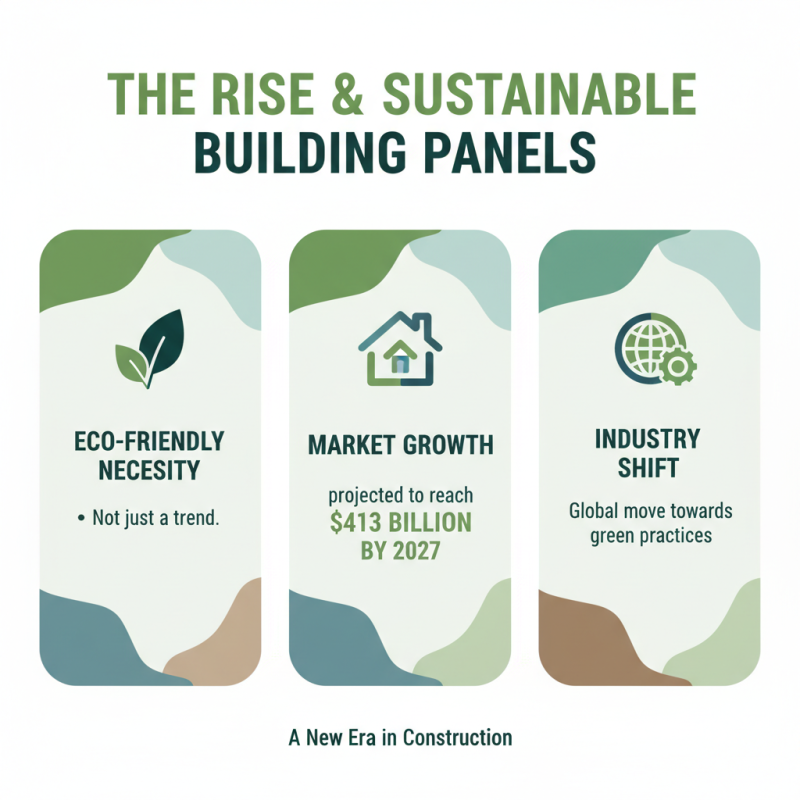
The rise of sustainable innovations in building panels marks a pivotal moment in the construction industry. Eco-friendly options are no longer just trends; they are necessities. A recent report indicates that the global green building materials market is projected to reach $413 billion by 2027. This growth underscores a significant shift toward sustainable practices.
Recycled materials, such as reclaimed wood and metal, are gaining popularity in building panels. They reduce waste while providing robust structural options. According to a study, using recycled materials can decrease carbon emissions by up to 30%. Industry experts note that materials like hempcrete or bamboo are also on the rise. They are renewable, but they require careful sourcing to avoid overharvesting.
Challenges persist in adopting these innovations. Not all sustainable materials meet the same performance standards. There can be concerns about durability and longevity. Additionally, the upfront costs may deter some developers. Yet, with increasing awareness and demand, solutions are improving. The journey towards eco-friendly building materials is complex but vital for sustainable development.
Smart Building Panels: Integration of IoT and Automation
The integration of IoT technology into smart building panels is revolutionizing the construction industry. These panels can connect seamlessly to various devices. They manage energy consumption, security, and climate control with greater efficiency. Imagine a building where the panels communicate with the HVAC system. When the temperature rises, the panel adjusts settings automatically. This innovation promises to reduce overall energy costs.
However, challenges remain. The complexity of integration can lead to technical glitches. Not all workers are familiar with these advanced systems, which can slow adoption. Inadequate training can also lead to underutilization of smart features. It’s crucial for the industry to address these training gaps. Simple user interfaces could help bridge this divide.
Moreover, data security is a significant concern. As more devices connect, vulnerabilities increase. Ensuring robust security measures will be essential. Without proper protocols, sensitive information could be compromised. Balancing innovation with security is vital for the success of smart building panels. The future looks promising, yet reflection on these issues is necessary for true advancement.
Design Trends Influencing the Aesthetics of Building Panels
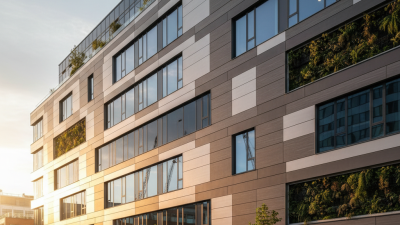
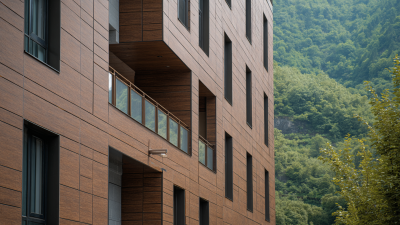
The aesthetics of building panels are evolving rapidly. Designers are prioritizing sustainability and visual appeal. In 2026, expect to see more natural materials. Wood, bamboo, and recycled elements are gaining traction. Reports show a 30% increase in demand for eco-friendly options over the next few years.
Colors and textures also play a vital role. Earthy tones are back in style. They bring warmth and comfort to building designs. Textured panels add depth to facades and interiors. Research indicates that 45% of architects are experimenting with new finishes to enhance visual interest.
Tips: Consider color psychology when choosing panels. Soft hues promote calmness. Bold shades can energize a space. Additionally, explore mixed materials. Combining different textures can create dynamic effects. Remember, simplicity is often more appealing than complexity. It's essential to create panels that not only look good but also fit the environment. Reflect on how design choices impact the user experience.
Next-Generation Building Panel Manufacturing Techniques and Processes
The building industry is rapidly evolving. Next-generation manufacturing techniques for building panels are at the forefront of this change. New materials like eco-friendly composites and lightweight metals are gaining traction. These materials offer durability while being more sustainable. Innovations in production processes reduce waste and energy consumption, highlighting the industry's commitment to environmental responsibility.
3D printing is a standout trend. It allows for custom and complex designs with relative ease. However, challenges remain. The technology is still developing, and the cost may be high for widespread adoption. Some manufacturers struggle to find skilled workers familiar with these advanced techniques. Additionally, the time needed to fully integrate these technologies can be frustrating.
Digital fabrication methods simplify production workflows. They enable faster designs and prototypes. Yet, reliance on technology can also pose risks. Issues like software glitches can affect output quality. Moreover, not all companies are ready to embrace such a shift fully. There is much to consider when implementing these innovations in traditional manufacturing settings.
2026 Top Building Panels Trends and Innovations to Watch
| Trend/Innovation |
Description |
Impact on Industry |
Projected Adoption Rate |
| Sustainable Materials |
Increasing use of recycled and bio-based materials. |
Reduction of carbon footprint and enhanced eco-friendliness. |
70% by 2026 |
| Smart Panels |
Integration of IoT technologies for smart building operations. |
Improved energy efficiency and user control. |
60% by 2026 |
| Insulated Panels |
Enhanced insulation properties for better energy performance. |
Lower energy costs for buildings. |
65% by 2026 |
| Modular Construction |
Prefabricated panels for reduced construction time. |
Faster project completion and cost savings. |
50% by 2026 |
| Biophilic Design |
Panels that incorporate natural elements into design. |
Enhanced occupant well-being and productivity. |
55% by 2026 |