2026 Top Trends in Wall Composite Cladding Solutions?
As the construction industry evolves, the demand for innovative materials like wall composite cladding is rising. According to a recent report by MarketsandMarkets, the global market for composite cladding is projected to reach $49.9 billion by 2026, driven by increased awareness of energy efficiency and sustainability. This trend reflects a growing preference for lightweight, durable, and aesthetically pleasing materials that meet modern architectural needs.
Wall composite cladding offers a unique combination of benefits. It enhances thermal insulation, which can lead to significant energy savings. The color retention and weather resistance typical of composite materials contribute to lower maintenance costs. However, while advancements are impressive, some manufacturers face challenges in meeting stringent environmental regulations. It is crucial to evaluate the lifecycle impact of these materials.
The shift towards wall composite cladding indicates a broader transformation in construction practices. Stakeholders must balance aesthetics with functionality and environmental responsibility. As the industry progresses, finding sustainable solutions that do not compromise quality will shape the future of building design. Reflecting on these trends can inspire innovative approaches, sparking a meaningful dialogue on responsible construction practices.
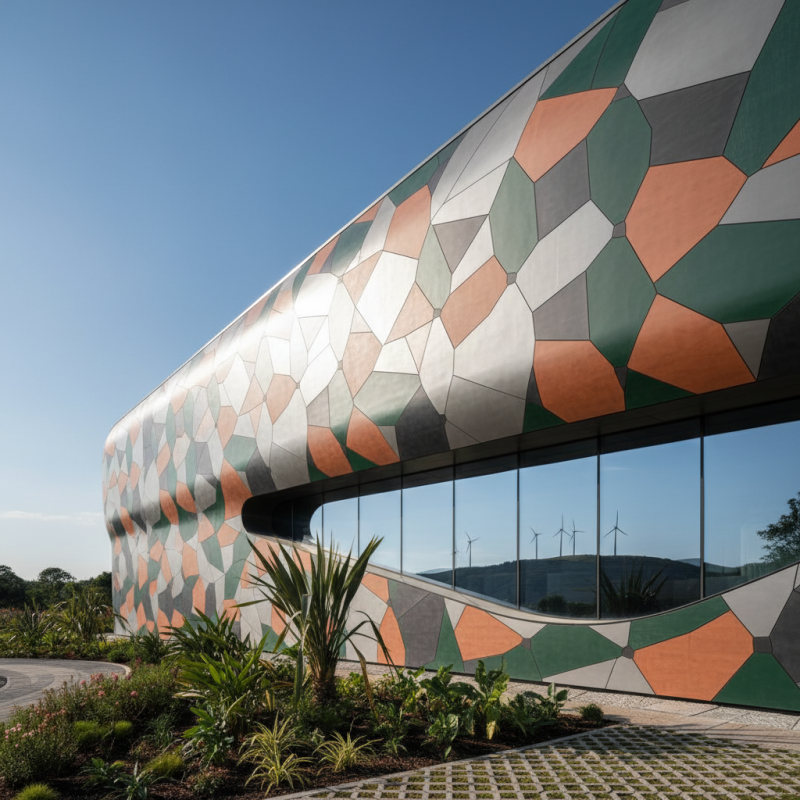
Top Innovations in Wall Composite Cladding Materials for 2026
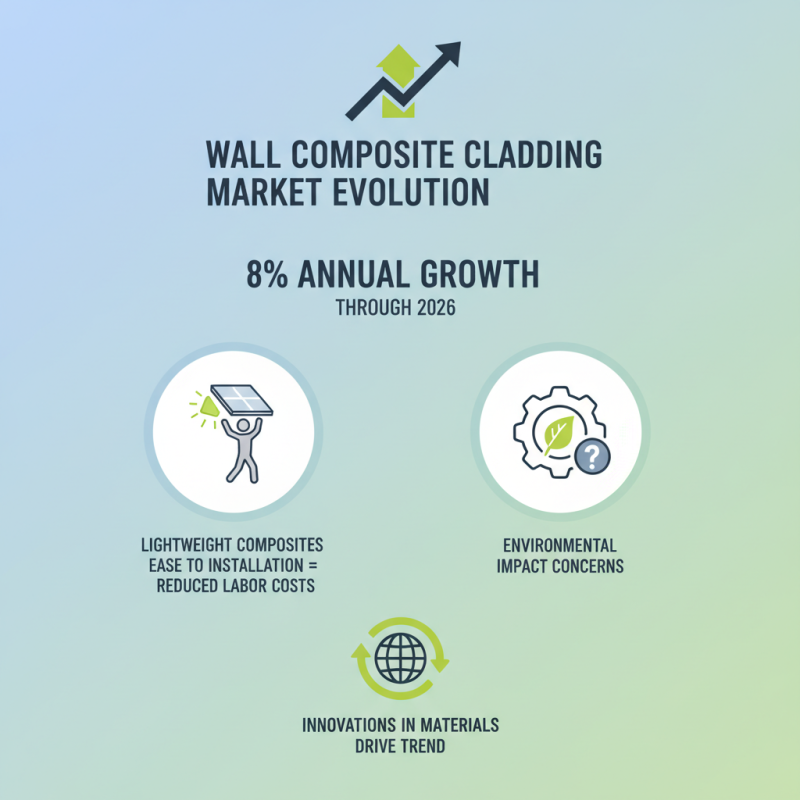
The wall composite cladding market is evolving rapidly. According to a recent market analysis, this sector is expected to grow by 8% annually through 2026. Innovations in materials play a key role in this trend. For example, lightweight composites are gaining traction due to their ease of installation. This can reduce labor costs significantly. However, there are concerns about the environmental impact of these materials.
Sustainability remains a hot topic. Many manufacturers are aiming to integrate recycled materials into their products. Studies show that using recycled content can lower carbon footprints by up to 30%. Yet, achieving durability with these composites is still a challenge. Some products may not perform well under extreme weather conditions. There’s a need for further research and development to address these issues.
New technologies are making waves in the industry. For instance, advances in coating methods enhance the longevity of cladding materials. These improvements can lead to lower maintenance costs for building owners. However, the high initial investment can deter some from adopting these innovations. Stakeholders must balance cost and performance while pushing for greener options in composite cladding.
Sustainability Trends: Eco-Friendly Materials in Wall Cladding Solutions
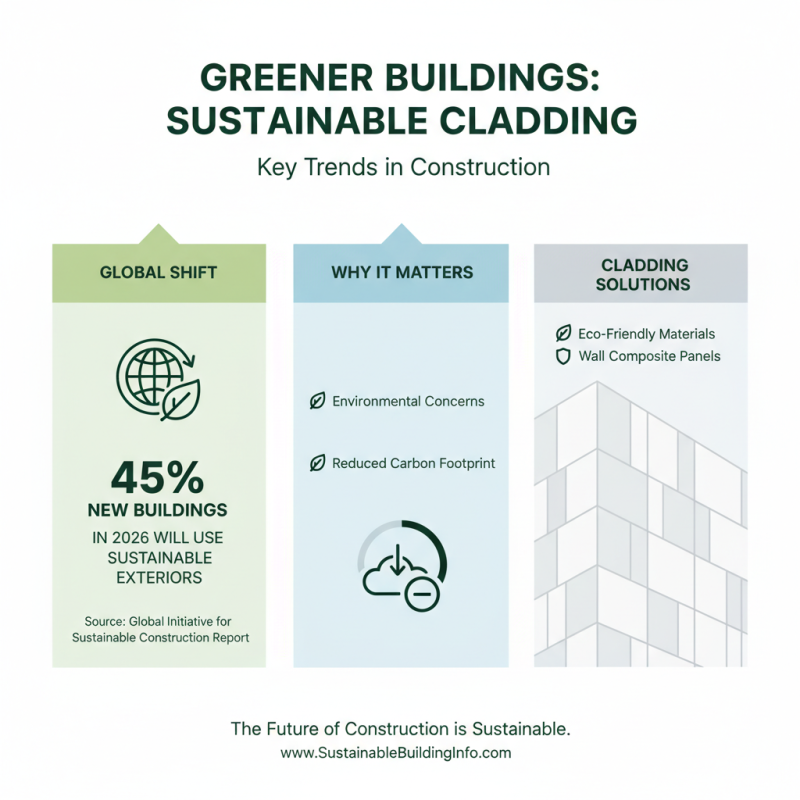
In recent years, sustainability has taken center stage in the construction industry, particularly in wall composite cladding solutions. With increasing environmental concerns, more architects and builders are seeking eco-friendly materials. According to a report by the Global Initiative for Sustainable Construction, 45% of new buildings in 2026 will feature sustainable materials for their exteriors. This shift reflects a growing commitment to reducing carbon footprints.
Wood-plastic composites (WPC) are becoming a popular choice. They combine recycled wood fibers and plastics, creating durable and low-maintenance options. An estimated 30% of all wall cladding materials will be WPC by 2026. However, the sourcing and recycling processes for these composites remain controversial. Some question the long-term sustainability of plastic content, sparking debates in the industry.
Additionally, recycled metal cladding is gaining traction. Reports suggest that its market share could increase by 25% within three years. These materials are strong and often require less energy to produce. Yet, challenges lie in recycling rates and the availability of quality scrap materials. Achieving true sustainability in wall cladding demands ongoing innovation and reflection on current practices and resources.
Market Analysis: Growth Projections for Composite Cladding by 2026
As the demand for sustainable building materials grows, composite cladding is gaining momentum. By 2026, the market for these materials is expected to rise significantly. Factors driving this growth include greater environmental awareness and advancements in manufacturing technologies. The focus is on materials that are both durable and aesthetically pleasing. Many consumers are looking for options that require less maintenance over time, leading to a shift in purchasing decisions.
Analysts project that specific trends will dominate the composite cladding market. A notable trend is the increasing preference for eco-friendly options. Several manufacturers are exploring renewable sources for cladding materials. This shift reflects a larger movement in the construction industry towards sustainability. However, some challenges remain. The initial cost of high-quality composite materials may deter budget-conscious builders. Meanwhile, the need for consistent quality control continues to be a concern.
Ultimately, composite cladding solutions could redefine exterior finishes. The potential for innovation is vast, yet the industry must address issues such as potential waste during production. As we approach 2026, understanding these dynamics will be crucial in steering future developments. The balance between aesthetics, performance, and sustainability will shape the landscape of composite cladding solutions.
2026 Top Trends in Wall Composite Cladding Solutions
Technological Advancements: Smart Features in Composite Wall Cladding
Technological advancements are rapidly transforming composite wall cladding solutions. Smart features are now essential, enhancing functionality and design.
For instance, the use of IoT technology enables real-time monitoring of cladding performance.
This can help identify issues early and reduce maintenance costs.
Recent reports indicate that the smart building materials market is expected to grow by 24% annually.
This shift highlights the industry’s move towards more efficient and sustainable solutions.
Composite materials, equipped with smart features, can respond to environmental changes, improving energy efficiency.
However, challenges remain in integrating these technologies seamlessly.
Additionally, aesthetic customization is also crucial. Users seek cladding options that match their unique style.
Advanced production techniques allow for diverse textures and colors.
Nonetheless, balancing innovation with cost-efficiency can be challenging for manufacturers.
The industry must reflect on sustainable practices while exploring new technologies.
Design Trends: Aesthetic Appeal and Customization in Cladding Solutions
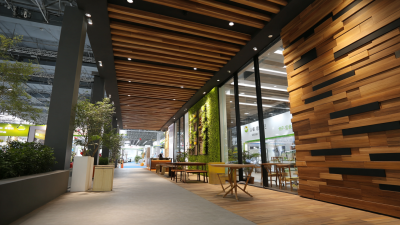
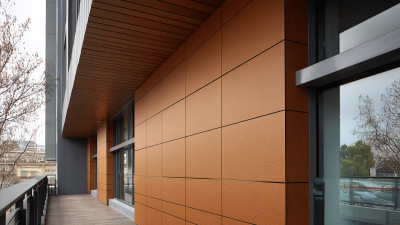
The world of wall composite cladding is evolving rapidly. Aesthetic appeal plays a significant role in this transformation. Designers are now focused on creating visually striking facades that resonate with modern tastes. Customization options are abundant. Many buildings now feature unique textures, colors, and patterns that tell a story. This emphasis on personalization makes each project distinct.
However, this trend isn’t without its challenges. Balancing beauty with functionality often proves difficult. Some materials may look stunning but fail in durability. It’s crucial to select composites that withstand the test of time. Additionally, environmental considerations are increasingly unavoidable. Many consumers seek sustainable options, adding pressure on manufacturers to innovate responsibly.
Innovative design must not only cater to aesthetic needs but also address practicality. Custom solutions should be carefully thought out to avoid unnecessary costs. Decision-makers need to reflect on the long-term performance of cladding systems. Striking the right balance between visual appeal and solid engineering remains a key focus for the industry as it moves forward.
2026 Top Trends in Wall Composite Cladding Solutions
| Trend |
Description |
Aesthetic Appeal |
Customization Options |
Sustainability |
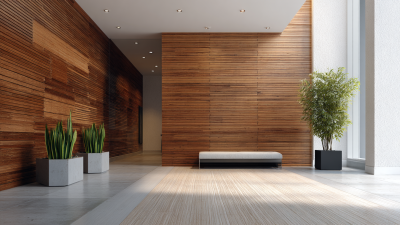
| Natural Textures |
Incorporation of wood and stone effects. |
High - invokes warmth and elegance. |
Various finishes and colors. |
Yes, using eco-friendly materials. |
| Bold Colors |
Use of vibrant colors to enhance facades. |
Very high - stands out in urban environments. |
Custom color matching available. |
Depends on the material used. |
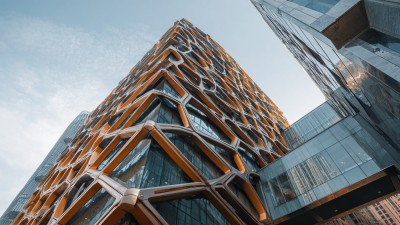
| Geometric Patterns |
Incorporating angular and patterned designs. |
Moderate - modern appeal. |
Design flexibility allows for unique patterns. |
Sustainable sourcing can be achieved. |
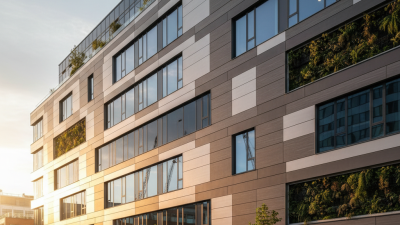
| Integrated Greenery |
Combining cladding with living plant modules. |
High - enhances biophilic design. |
Customization for plant selection and layout. |
Promotes biodiversity and greenery. |
| Recyclable Materials |
Utilizing materials that can be recycled. |
N/A - focuses on functionality. |
Flexible usage in various projects. |
High - promotes circular economy. |