What are the Benefits of Using a 2-Axis Robot for Automation?
In today's fast-paced manufacturing landscape, organizations seek innovative solutions for efficiency. A 2-Axis Robot emerges as a vital tool in this regard. Its design allows for horizontal and vertical movement, providing flexibility in various automation tasks. Companies can streamline processes, leading to significant productivity gains.
The benefits of using a 2-Axis Robot are noteworthy. Specific applications, like assembly, packing, and welding, thrive with its precise motion capabilities. Automation reduces human error, ultimately increasing product quality. Additionally, 2-Axis Robots are adaptable, fitting into diverse production lines.
However, it's not without challenges. Initial costs can be a barrier for some businesses. Proper implementation requires skilled personnel. As industries evolve, 2-Axis Robots will play a crucial role in shaping the future of automation. Embracing this technology can significantly influence a company's competitive edge.
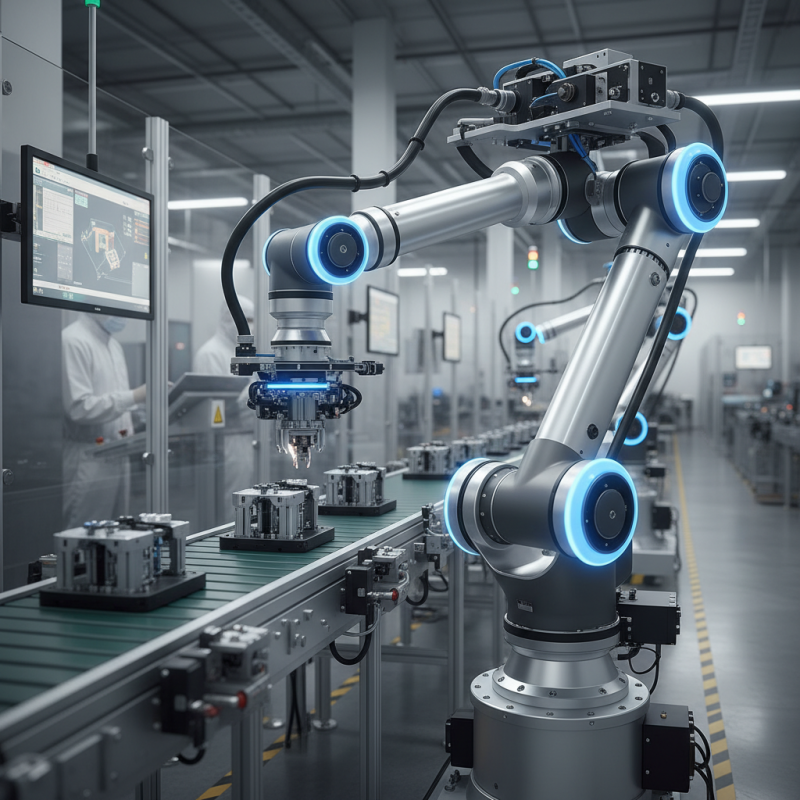
Benefits of Enhanced Precision in 2-Axis Robotics Automation
The precision offered by 2-axis robots is transformative for automation processes. These robots excel in tasks like assembly and sorting. Their ability to move along two axes allows for intricate positioning. This results in higher accuracy compared to manual methods. Enhanced precision minimizes errors, leading to better product quality. Many manufacturers report fewer defects, which saves costs.
Additionally, 2-axis robots can adapt to various tasks. Their programming is often flexible, allowing adjustments for different projects. This adaptability means they can quickly shift from one task to another. However, achieving optimal programming requires expertise. Users may face initial hurdles when refining their operating parameters. Understanding the robot's capabilities is essential for maximum efficiency.
In terms of reliability, 2-axis robots are engineered for consistent performance. Regular maintenance is crucial, though. Neglect can lead to occasional breakdowns. It’s important for facilities to implement routine checks and balances. The benefits are clear, yet the challenges merit attention. Balancing these elements is key to leveraging the full potential of 2-axis automation.
Benefits of Using a 2-Axis Robot for Automation
This chart illustrates the various benefits of using a 2-axis robot for automation, highlighting key factors such as enhanced precision, increased efficiency, reduced error rates, and improved adaptability.
Increased Flexibility and Versatility of 2-Axis Automation Systems
The adoption of 2-axis robots in automation has reshaped many industries. These systems provide significant flexibility, allowing for a range of applications from assembly to packaging. According to a report by the International Federation of Robotics, the demand for flexible robotic solutions is expected to grow by 30% annually. This makes 2-axis robots an appealing option for manufacturers looking to enhance productivity without heavy investments in complex machinery.
One notable advantage of 2-axis automation systems is their adaptability. They can easily adjust to different product designs and even custom workflows. This versatility enables manufacturers to pivot quickly without extensive downtime. A study from the Automation Research Institute indicates that companies utilizing 2-axis robots reported a 25% increase in operational efficiency. This efficiency lifts them above competitors who rely on rigid automation lines.
However, it’s essential to acknowledge some challenges. While 2-axis robots are versatile, they may not meet the needs of highly specific tasks requiring more degrees of freedom. Additionally, programming these machines can require skilled technicians, creating a bottleneck in some cases. As companies implement 2-axis systems, ongoing training and support become critical. Industries must balance the technology's flexibility with their specific automation needs to achieve the best results.
What are the Benefits of Using a 2-Axis Robot for Automation? - Increased Flexibility and Versatility of 2-Axis Automation Systems
| Benefit | Description | Application Areas | Efficiency Improvement (%) |
| Increased Flexibility | Able to adapt to various tasks and change configurations easily. | Manufacturing, Packing | 20% |
| Cost-Effectiveness | Reduces labor costs by automating repetitive tasks. | Assembly Lines, Warehousing | 30% |
| Enhanced Precision | Increases accuracy in tasks such as placement and assembly. | Electronics, Medical Devices | 15% |
| Task Reallocation | Free up human workers for more complex tasks. | Various Industries | 25% |
| Scalability | Easily scalable to meet increasing production demands. | Production Facilities | 40% |
Cost Savings Through Efficiency: 2-Axis Robots in Manufacturing
In modern manufacturing, 2-axis robots are transforming processes through efficiency. Their design allows for precision movement along two axes, simplifying tasks like assembly and packaging. This leads to faster production times. Efficiency is key in reducing operational costs. With robots handling repetitive tasks, human workers can focus on more complex activities. This strategic allocation of labor is crucial for productivity.
Cost savings come from reduced waste. As 2-axis robots enhance accuracy, they minimize material loss during production. Moreover, these robots require less maintenance than complex machinery. Businesses can further benefit from lower energy consumption. A well-implemented robotic system optimizes workflow, ensuring each step contributes to overall output.
Despite the advantages, some challenges persist. Integrating 2-axis robots may require initial investment and training. Companies must evaluate whether the long-term efficiencies justify the upfront costs. Continuous monitoring is essential to ensure these robots operate effectively. Reflecting on these aspects helps organizations maximize the potential benefits.
The Role of 2-Axis Robots in Reducing Labor Costs and Risks
2-axis robots are transforming automation in various industries. Their role in reducing labor costs is significant. By minimizing human intervention, these robots streamline tasks like assembly and packaging. As a result, companies see a decrease in wage expenses. With fewer manual processes, businesses can allocate resources more efficiently.
Moreover, these robots help mitigate risks associated with labor. They handle repetitive and hazardous tasks, reducing the chance of workplace injuries. Workers can focus on more complex duties that require judgment and creativity. This shift not only enhances safety but also boosts overall productivity.
However, not all implementations are perfect. Some facilities struggle with integration, leading to downtime. Proper training is essential for staff to work alongside robotic systems. Organizations must continuously assess their automation strategies to optimize performance. A careful balance between technology and human involvement remains crucial for future success.
Data on Productivity Improvements with 2-Axis Robotic Systems
The rise of 2-axis robotic systems has transformed automation in various industries. Recent studies show that these systems can enhance productivity by up to 30%. This improvement stems from their ability to perform tasks with high precision and speed. For instance, manufacturing lines equipped with 2-axis robots report a significant decrease in cycle time. Tasks that once took several minutes can now be completed in seconds.
Furthermore, 2-axis robots minimize errors in production. Industry surveys indicate that error rates drop by 25% when using these systems. This reduction translates into less waste and fewer delays. Companies have noted fewer reworks, leading to better overall efficiency. Yet, it is essential to recognize that transitioning to robotic systems requires a learning curve. Training for employees is a must.
Data suggests that while initial costs can be high, the return on investment (ROI) becomes evident within a couple of years. Some facilities experience payback periods as short as 18 months. However, not all organizations achieve this success. Challenges such as integration with existing workflows remain. Regular assessments and adjustments can help overcome these hurdles. Despite the complexities, the benefits of 2-axis robots are clear in improving productivity and reducing operational errors.