Discover the Benefits of Acoustic Metal Panels for Your Projects?
Acoustic Metal Panels have gained prominence in modern architecture. Known for their ability to reduce noise while providing a sleek aesthetic, they offer both functionality and beauty. Expert David Sullivan, an architect with over 20 years of experience, states, “The use of Acoustic Metal Panels elevates spaces, blending sound control with design.”
Incorporating these panels into various projects can profoundly change the atmosphere of a room. They work silently behind the scenes, ensuring that spaces remain pleasant without compromising on style. Acoustic Metal Panels are not only durable but also environmentally friendly, often made from recycled materials. This makes them an excellent choice for sustainable design.
However, it's essential to recognize that not all panels are created equal. The effectiveness of Acoustic Metal Panels relies heavily on their installation and the surrounding environment. Misjudging the specifications might lead to issues in sound absorption. As with any material, careful planning and consideration are crucial. By embracing Acoustic Metal Panels, designers can navigate the complex intersection of acoustics and aesthetics more effectively.
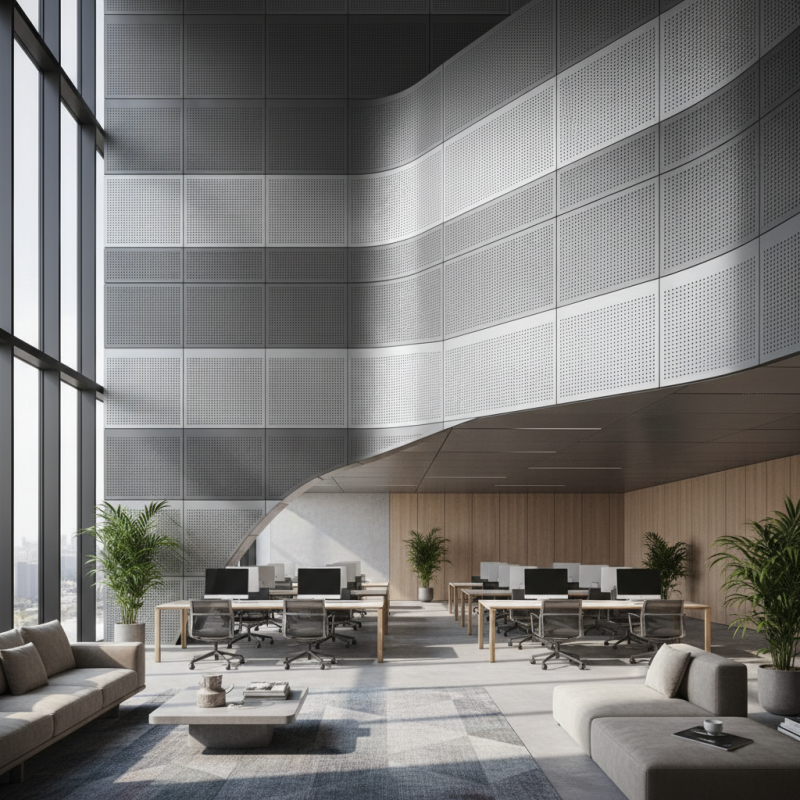
Benefits of Acoustic Metal Panels in Modern Architectural Design
Acoustic metal panels are gaining popularity in modern architectural design. They combine aesthetic appeal with sound-dampening properties. These panels help create quieter indoor environments, making them ideal for offices, schools, and public spaces. Architects appreciate how these panels enhance the visual aspect of buildings while offering practical benefits.
Incorporating acoustic metal panels can sometimes lead to challenges. Choosing the right finish and texture is crucial for both sound absorption and appearance. Some designs may require additional treatments to maximize performance. Nevertheless, when executed thoughtfully, the results can be striking. The ability to blend functionality with beauty is what makes these panels valuable.
Designers are increasingly exploring innovative uses for acoustic metal panels. They can be applied as stylish wall coverings, ceilings, or even room dividers. The versatility is impressive, allowing for creativity in both residential and commercial settings. While there are complexities involved, the advantages are significant. The right balance can lead to transforming spaces into harmonious environments.
Key Acoustic Properties: Sound Absorption and Noise Reduction Efficiency
Acoustic metal panels are gaining popularity in various projects due to their impressive sound absorption and noise reduction capabilities. A study from the Acoustical Society of America highlights the efficiency of these panels, indicating a sound absorption rate of over 0.9 at mid to high frequencies. This means they can significantly reduce echo and reverberation in large spaces.
In environments like concert halls or recording studios, controlling sound is essential. The right acoustic panels can transform these spaces. For instance, a report by the National Institute of Building Sciences reveals that noise reduction coefficients (NRC) of 0.75 or higher ensure improved acoustical comfort. This is crucial for enhancing user experience and optimizing sound clarity.
However, these panels aren’t a one-size-fits-all solution. Installation challenges might arise, particularly in existing structures. Achieving the desired acoustic effect can require expert knowledge and careful planning. Revisiting design choices often reveals flaws in previous installations. Nevertheless, the benefits of acoustic metal panels can outweigh these challenges when utilized correctly.
Durability and Maintenance: Long-Term Performance of Metal Panels
Acoustic metal panels are gaining traction for various architectural projects. Their durability stands out. Metal panels can withstand severe weather, preventing issues like corrosion. Studies indicate that metal panels have a lifespan that exceeds 50 years with proper care. This impressive durability makes them a reliable choice for long-term investments.
Maintenance is another key factor. Metal panels require minimal upkeep. Regular inspections and cleaning usually suffice. A report from the Metal Building Manufacturers Association states that maintenance costs for metal structures are 50% lower than other materials. This aspect appeals to budget-conscious projects. However, it's crucial to monitor for dents and scratches, which can undermine their appearance and performance.
While acoustic metal panels offer numerous benefits, one must consider installation quality. Poor installation can lead to issues down the line. It's essential to engage experienced professionals for this task. Relying solely on cost can result in regrettable decisions. Balancing aesthetics with functionality is key in any project involving these panels.
Sustainability in Design: Recyclability and Eco-Friendliness of Materials
Acoustic metal panels offer a sustainable approach to design. These materials are eco-friendly due to their recyclability. They are often made from recycled metals and can themselves be recycled after use. This minimizes waste and conserves resources. Architects and designers can feel good about incorporating these panels into their projects.
When looking for sustainable solutions, consider sourcing materials locally. This reduces carbon emissions associated with transportation. Also, ensure that your chosen panels are certified by reputable organizations. Certification can verify their eco-friendliness and sustainability.
It’s important to question the longevity of materials. While metal panels are durable, not all products are created equal. Inspect for lifespan estimates and maintenance requirements. Understanding these details can inform better design choices in the long run. Embracing eco-friendly materials is essential, but awareness of their performance is equally crucial.
Benefits of Acoustic Metal Panels
This bar chart illustrates the key benefits of using acoustic metal panels in various projects. The benefits are scored on a scale from 0 to 100, highlighting their sound absorption capabilities, durability, eco-friendliness, recyclability, and aesthetic versatility.
Cost-Effectiveness: Balancing Performance and Budget for Construction Projects
Acoustic metal panels offer a unique combination of aesthetics and functionality. They enhance sound control in various settings. This is crucial for environments like offices, schools, and auditoriums. By integrating these panels into a design, you create a more pleasant atmosphere. The beauty lies in their versatility and efficient sound dampening properties.
When considering cost-effectiveness, it's important to balance performance with budget. Acoustic panels can seem expensive initially. However, they often lead to savings in other areas. Reduced noise levels can improve employee productivity. This is vital for businesses aiming to thrive. In educational spaces, better acoustics support learning. Fewer distractions can lead to higher student performance.
Yet, choosing the right acoustic solution requires careful thought. Some projects may need specialized installation techniques. This can increase overall costs and create delays. Evaluating long-term benefits versus upfront investments is crucial. Reflecting on the project's specific acoustic requirements can lead to better outcomes. Thoughtful planning will ensure your project meets both acoustic and budgetary needs.