Top 10 Benefits of Cladding Panels for Modern Architecture and Design
In the realm of modern architecture and design, the importance of aesthetic appeal and structural integrity cannot be overstated. Cladding panels have emerged as a vital component, enhancing both the visual dynamics and functional performance of buildings. As expert architect Dr. Emily Carter notes, "Cladding panels not only serve as a protective skin for structures but also provide architects with unparalleled flexibility in design, enabling them to create innovative and environmentally responsive buildings."
The benefits of cladding panels extend beyond mere appearance; they are instrumental in energy efficiency, reduction of maintenance costs, and improved weather resistance. This versatility allows for an array of materials, styles, and finishes, ensuring that designers can achieve their unique vision while adhering to sustainability standards. As we delve into the top ten benefits of cladding panels, it becomes clear why they are becoming a preferred choice in contemporary architectural projects.
Benefits of Cladding Panels in Enhancing Energy Efficiency in Buildings
Cladding panels have emerged as a crucial component in modern architectural design, particularly when it comes to enhancing the energy efficiency of buildings. These panels serve as an additional layer of insulation, effectively reducing heat transfer between the interior and exterior environments. This capability ensures that a building remains warm in the winter and cool in the summer, leading to significant reductions in energy consumption for heating and cooling systems. By minimizing the reliance on HVAC systems, cladding panels not only lower energy bills but also contribute to a more sustainable built environment.
Moreover, the materials used in cladding panels can also play a pivotal role in energy efficiency. Many modern panels are designed with reflective surfaces that reduce solar heat gain, which directly impacts the overall temperature regulation within a building. This innovative approach not only enhances comfort for occupants but also decreases the strain on energy resources. Additionally, the integration of advanced insulation technologies in cladding designs helps in preventing air leaks, further optimizing thermal performance. Collectively, these features illustrate how cladding panels are not just aesthetic additions to a building's facade, but essential elements in promoting energy efficiency while supporting contemporary architectural goals.
Impact of Cladding Panels on Aesthetic Appeal and Modern Architectural Trends
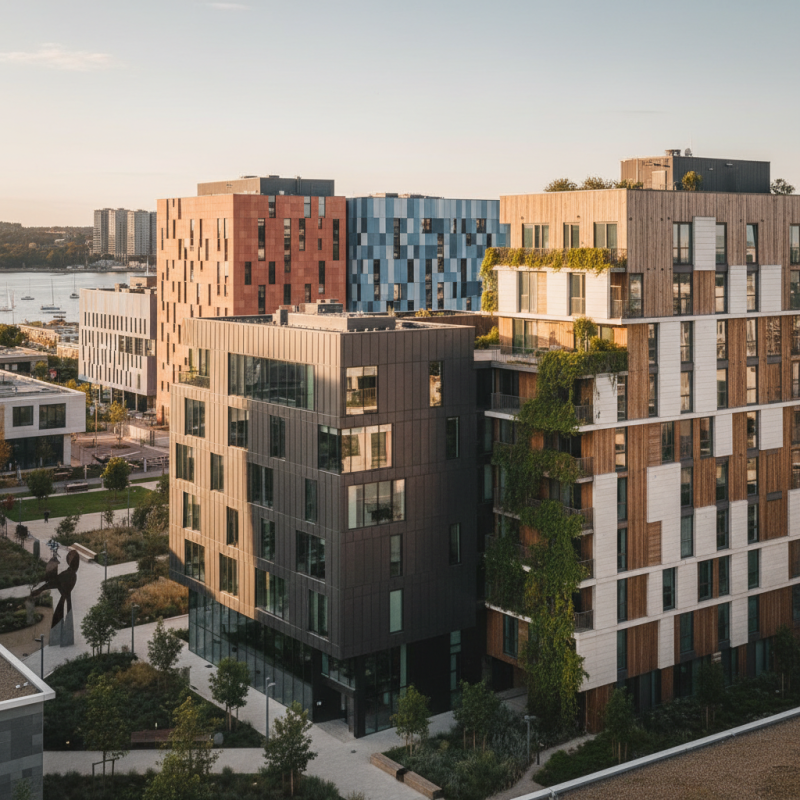
Cladding panels play a crucial role in enhancing the aesthetic appeal of modern architecture, acting as a transformative element that can redefine a building's visual identity.
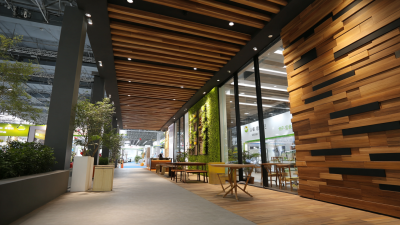
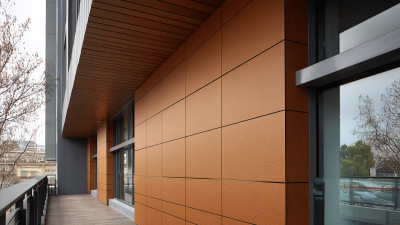
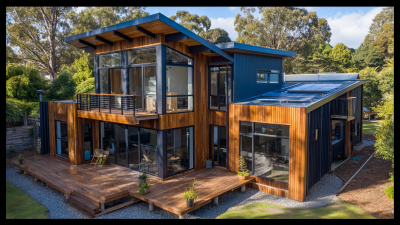
These panels are available in a vast array of materials, colors, and textures, allowing architects and designers to explore innovative designs that reflect contemporary tastes.
By serving as a second skin over the structural frame, cladding panels can create striking contrasts or harmonious blends with surrounding environments, ultimately elevating the overall architectural narrative.
This versatility not only contributes to the individuality of each structure but also embraces sustainability by allowing for the integration of energy-efficient materials and techniques.
Moreover, cladding panels significantly influence modern architectural trends, promoting a seamless fusion of functionality and design elegance.
As designers increasingly prioritize eco-conscious practices, cladding offers the opportunity to incorporate insulation and weather-resistant features without sacrificing style.
The ability to customize exteriors with dynamic patterns and finishes aligns with current trends that favor authenticity and a connection to nature.
This movement towards more expressive and responsive architecture has made cladding panels essential components in crafting spaces that resonate with users on both aesthetic and emotional levels, ultimately shaping the skylines of today and tomorrow.
Durability and Maintenance Advantages of Cladding Panels in Construction
Cladding panels have become increasingly popular in modern architecture due to their exceptional durability and low maintenance requirements. According to a report by the American Institute of Architects (AIA), buildings with high-performance cladding systems can achieve a lifespan of over 50 years, significantly reducing the need for frequent replacements. This longevity not only decreases material waste but also minimizes the long-term costs associated with building upkeep. Cladding panels made from modern materials like fiber cement and metal offer resistance to weathering, rotting, and pest infestations, which are common issues that affect traditional building materials.
Maintenance advantages associated with cladding panels are also noteworthy. The National Association of Home Builders (NAHB) indicates that homes outfitted with cladding experience up to 30% lower maintenance costs compared to those constructed with standard siding. This is primarily due to the easy cleaning and repair processes these panels offer. Many cladding materials are designed to be self-cleaning or can be easily washed down with water, streamlining the maintenance routine for property owners. Furthermore, innovative technologies and coatings can enhance stain resistance, making cladding panels an attractive option for maximizing both aesthetic appeal and practicality in contemporary building design.
Cost-Effectiveness of Cladding Panels: Long-Term Financial Benefits
Cladding panels have emerged as a cornerstone in modern architectural design, offering a range of benefits that contribute significantly to their long-term financial viability. According to industry studies, implementing cladding panels can lead to a reduction in energy costs by up to 30%, as they provide enhanced insulation and weather resistance. This data underscores not only the immediate aesthetic value they provide but also how they create substantial savings for building owners over time. By minimizing energy consumption, cladding panels can help in achieving sustainability goals while also lowering utility expenses.
Furthermore, the durability of modern cladding materials—such as fiber cement or metal—contributes to lower maintenance costs throughout a building's lifecycle. Reports indicate that the initial investment in cladding can be recouped in as little as 5 to 10 years due to reduced maintenance and repair needs. Additionally, buildings with cladding panels often experience increased property values, with some studies suggesting a rise of 5% to 10% in marketability. This makes cladding panels not only a smart architectural choice but also a financially strategic one, reinforcing their role as a vital component in contemporary design.
Sustainability and Environmental Benefits of Using Cladding Panels
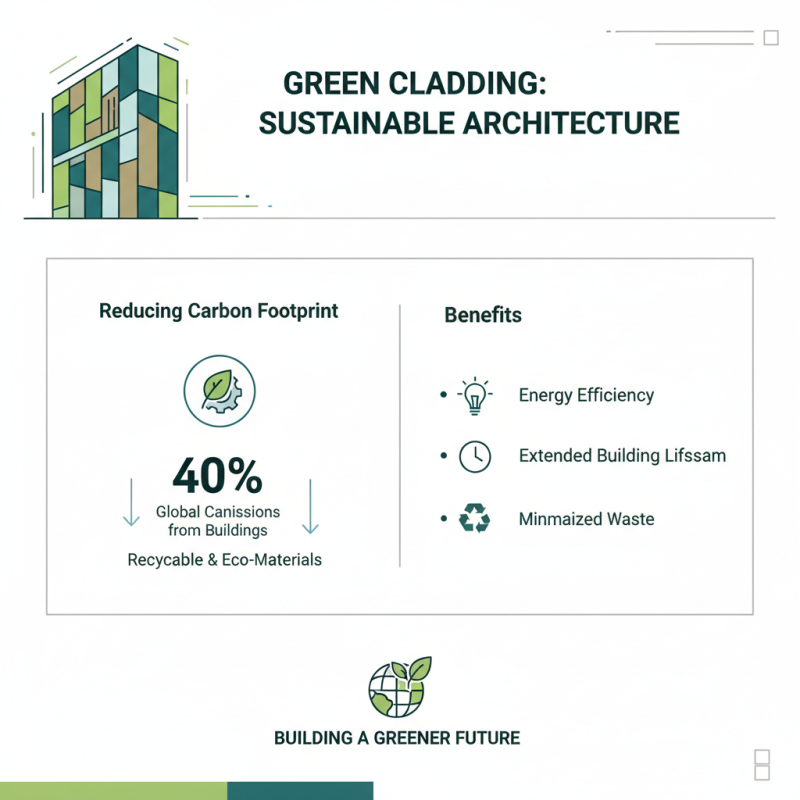
Cladding panels play a significant role in enhancing the sustainability and environmental benefits of modern architecture. According to the World Green Building Council, buildings contribute to nearly 40% of global carbon emissions, underscoring the urgent need for eco-friendly construction practices. By incorporating cladding panels made from recyclable or sustainably sourced materials, architects can significantly reduce the carbon footprint of their projects. In fact, utilizing such materials not only aids in energy efficiency but also prolongs the building's lifespan, minimizing waste over time.
Moreover, cladding panels enhance insulation, which leads to reduced energy consumption for heating and cooling. The U.S. Department of Energy indicates that well-insulated buildings can save up to 30% on energy costs. This energy efficiency translates to lower operational costs and a diminished environmental impact. Additionally, many cladding materials provide excellent weather resistance, further reducing maintenance needs and the associated environmental toll.
**Tips for Maximizing the Benefits of Cladding Panels:**
- **Opt for Recycled Materials:** Look for cladding made from recycled or eco-friendly materials to further enhance sustainability.
- **Consider Local Production:** Selecting locally sourced materials can reduce transportation emissions, contributing to a more sustainable project overall.
- **Focus on Insulation Properties:** Choose cladding panels with high insulation values to minimize energy loss, creating a more energy-efficient building design.