Top 10 Benefits of Using Composite Wall Cladding for Modern Homes
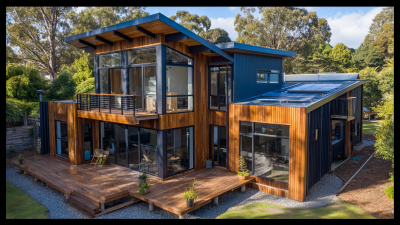
In the realm of modern architecture, the choice of materials for exterior finishes has evolved significantly, with composite wall cladding emerging as a favored option among homeowners and builders alike. According to industry expert James Anderson, a renowned architect and sustainability advocate, "Composite wall cladding not only enhances the aesthetic appeal of a home but also provides unparalleled durability and weather resistance." This innovative material combines various elements to offer a versatile solution that meets the demands of contemporary design.
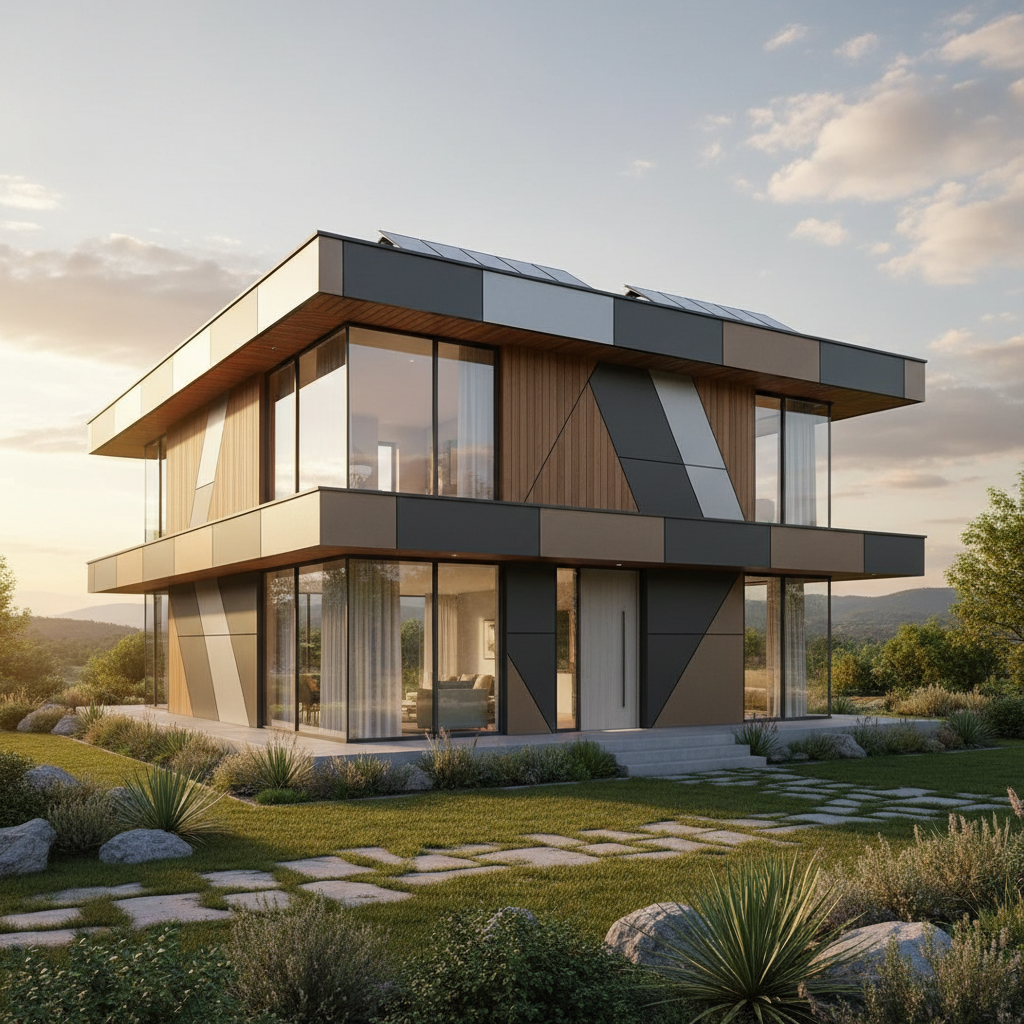
As we delve into the top 10 benefits of using composite wall cladding for modern homes, it becomes evident that this choice is not merely about aesthetics. Homeowners can enjoy factors such as energy efficiency, low maintenance, and sustainability, which are becoming increasingly essential in today's eco-conscious society. With composite wall cladding, the fusion of beauty and functionality paves the way for striking architectural statements while promoting longevity and ease of care. As we explore these advantages, it is clear that composite wall cladding is redefining the future of home exteriors, making it an indispensable choice for the modern homeowner.
Advantages of Enhanced Durability in Composite Wall Cladding for Homes
Composite wall cladding has gained immense popularity in modern home construction due to its enhanced durability and aesthetic appeal. According to a report from the U.S. Department of Housing and Urban Development (HUD), homes featuring composite materials tend to have a lifespan that outlasts traditional siding options by up to 50%. This longevity is primarily attributed to the unique composition of the materials, which often resist moisture, insects, and decay. Moreover, composite cladding can withstand extreme weather conditions, making it an ideal choice for homes located in areas prone to harsh climates.
One of the significant advantages of composite wall cladding is its low maintenance requirement. A study by the Building Research Establishment (BRE) highlights that homeowners can save approximately 30% in maintenance costs over a 20-year period when opting for composite materials over wood or vinyl. Additionally, many composite cladding products offer fade-resistant properties, ensuring that the colors stay vibrant long after installation, thus enhancing the overall aesthetic of the home.
Tips: When selecting composite wall cladding, look for products that come with a warranty of at least 25 years to ensure their long-term performance. It’s also beneficial to choose materials that have been certified for sustainability, as they often guarantee superior durability while being environmentally friendly. Regular inspections every few years can further help in identifying any potential issues before they become costly repairs.
Cost-Effective Installation Tips for Choosing Composite Wall Cladding
When considering composite wall cladding for modern homes, cost-effective installation is a crucial factor. According to a report by Statista, the average installation cost for composite cladding ranges from $8 to $15 per square foot, making it more affordable compared to traditional materials like brick or stone, which can average $20 to $45 per square foot. This significant difference not only makes composite options more accessible for homeowners on a budget but also encourages sustainable building practices by promoting the use of recycled materials, which are often a component of composite cladding.
Selecting the right product can also lead to further savings. Research from the Building Research Establishment indicates that high-quality composite cladding can reduce maintenance costs by up to 30% over its lifespan due to its durability and weather resistance. To maximize cost-effectiveness, homeowners should consider bulk purchasing or off-season installations, which can sometimes net discounts from suppliers. Additionally, opting for a reputable contractor with experience in composite materials can prevent costly mistakes and ensure a quality finish that enhances the home's aesthetic and long-term value.
Top 10 Benefits of Using Composite Wall Cladding for Modern Homes
| Benefit |
Description |
Installation Cost (per sqm) |
Durability (Years) |
Maintenance Level |
| Aesthetic Appeal |
Enhances the visual appearance of homes with various finishes. |
$50 |
20+ |
Low |
| Energy Efficiency |
Insulates homes, reducing heating and cooling costs. |
$45 |
25 |
Medium |
| Weather Resistance |
Withstands extreme weather conditions and UV rays. |
$60 |
30 |
Low |
| Sustainability |
Made from recycled materials, promoting eco-friendliness. |
$40 |
20 |
Medium |
| Lightweight |
Easier and cheaper to transport and install compared to alternatives. |
$55 |
25 |
Low |
| Cost-Effectiveness |
Provides high value for money due to durability and low maintenance. |
$50 |
30 |
Very Low |
| Variety of Designs |
Available in different textures, colors, and styles to match any decor. |
$55 |
20+ |
Low |
| Fade Resistance |
Maintains color vibrancy for years without the risk of fading. |
$52 |
25+ |
Low |
| Safety Features |
Fire-resistant properties enhance home safety. |
$65 |
30 |
Medium |
Design Versatility: Customizing Your Home's Aesthetic with Composite Materials
Composite wall cladding offers an unparalleled level of design versatility that allows homeowners to tailor their spaces to reflect personal aesthetics. With an extensive range of colors, textures, and finishes, it is possible to create a unique facade that stands out in any neighborhood. Whether opting for a sleek, modern look or a more traditional appeal, composite materials can mimic the appearance of natural wood, stone, or other finishes, giving you the freedom to explore various design themes without compromising on durability or functionality.
Moreover, the customization possibilities extend beyond visual appeal; the adaptability of composite wall cladding means it can be used in innovative ways to solve design challenges. For example, incorporating various cladding styles and arrangements can enhance architectural features, create visual interest, and even improve energy efficiency. By selecting composite materials, homeowners can achieve a bespoke look that aligns with their vision while benefiting from the low maintenance and weather-resistant qualities these materials provide. This ensures that your home's aesthetic remains striking and inviting for years to come.
Sustainable Living: Eco-Friendly Benefits of Composite Wall Cladding
Composite wall cladding has emerged as a sustainable alternative for modern homes, showcasing significant eco-friendly benefits. One of the key advantages of composite materials is their manufacturing process, which often utilizes recycled materials. According to a report by the Environmental Protection Agency (EPA), up to 90% of the raw materials in some composite products come from recycled sources, reducing the reliance on virgin resources and minimizing waste. This not only conserves natural resources but also lowers the carbon footprint associated with material extraction and production.
In addition to their production sustainability, composite wall cladding offers impressive durability, which contributes to its eco-friendliness over time. Research by the Building Materials Manufacturers Association indicates that composite cladding can last up to 50 years with minimal maintenance, compared to traditional materials that may require frequent replacement and maintenance. This long lifespan reduces overall resource consumption and waste generation, making composite cladding a wise choice for environmentally conscious homeowners. Furthermore, many composites are designed to be energy-efficient, enhancing the thermal insulation of a home and reducing energy consumption for heating and cooling. Overall, composite wall cladding represents a significant stride toward sustainable living in contemporary architecture.
Low Maintenance Solutions: How Composite Wall Cladding Stands the Test of Time
Composite wall cladding has emerged as a leading choice for modern homes, particularly due to its low maintenance requirements and durability. In the construction industry, data shows that composite materials resist weathering better than traditional materials, with reports indicating a lifespan extension of 50% or more. This resilience not only reduces the frequency of repairs but also minimizes long-term maintenance costs, making it a sound investment for homeowners.
Moreover, when considering fire safety in small blocks of homes, composite wall cladding offers significant advantages. Unlike combustible materials, many composite cladding options come with non-combustible properties, enhancing the overall fire safety of residential structures. According to the National Fire Protection Association, using non-combustible materials can reduce the risk of fire spreading, providing peace of mind for residents. As building codes evolve to prioritize fire safety, incorporating advanced composite cladding solutions aligns with contemporary safety standards.
Top 10 Benefits of Using Composite Wall Cladding for Modern Homes