Top Benefits of PVC Doors for Your Home and How to Choose the Best Ones
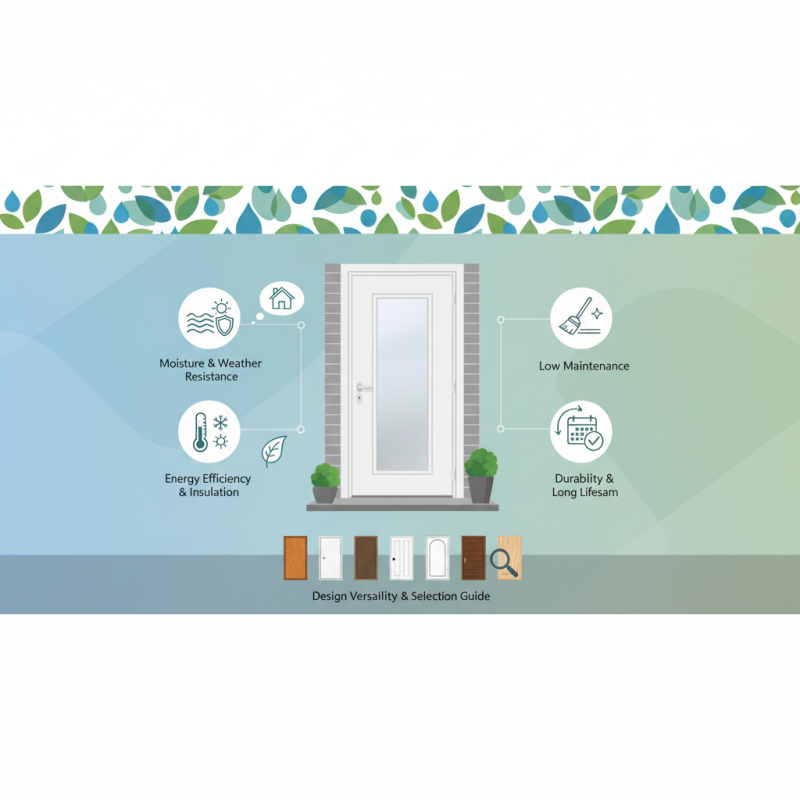
When it comes to enhancing the aesthetic and functional aspects of your home, PVC doors have emerged as a popular choice among homeowners and builders alike. As an industry expert, John Smith, a renowned architect specializing in sustainable building materials, emphasizes, "PVC doors offer versatility and durability that can transform any space while being environmentally friendly." This statement encapsulates the significant advantages of choosing PVC doors, which include their resistance to moisture and weathering, energy efficiency, and low maintenance requirements.
In this article, we will explore the top benefits of PVC doors and guide you on how to select the best options for your home. Whether you're considering a new entryway or looking to replace old doors, understanding the various features and benefits of PVC doors can help you make an informed decision. By considering factors such as design versatility, insulation properties, and lifespan, you can ensure that your investment not only enhances the beauty of your home but also contributes to its long-term sustainability. Join us as we delve into the world of PVC doors and discover why they are an excellent choice for modern living.
Benefits of PVC Doors for Homeowners
PVC doors have gained popularity among homeowners due to their remarkable benefits. One of the primary advantages is their durability. According to a report by the National Association of Home Builders, door materials, including PVC, can last over 20 years with minimal maintenance, making them a cost-effective choice in the long run. PVC doors are also resistant to moisture, rot, and warping, which makes them ideal for various climates and reduces the need for frequent repairs or replacements.
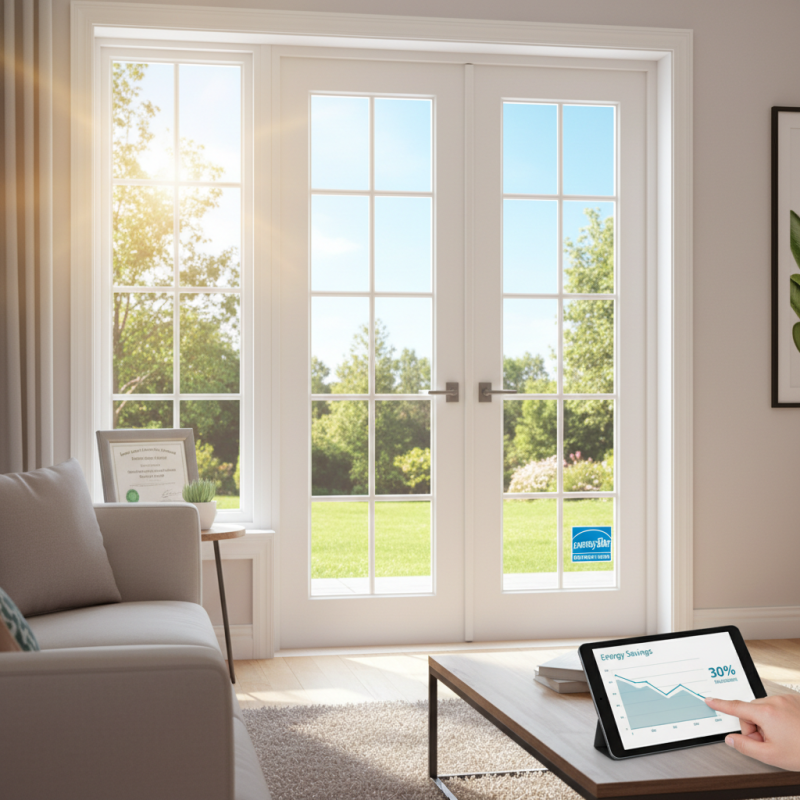
Additionally, PVC doors offer excellent thermal efficiency. The Department of Energy highlights that energy-efficient doors can reduce heating and cooling costs by up to 30%. This is particularly beneficial for homeowners looking to lower their energy bills while maintaining a comfortable living environment. The insulating properties of PVC contribute to reducing heat transfer, ensuring that homes remain warm in winter and cool in summer. Furthermore, these doors are available in various styles and finishes, making it easy for homeowners to find an option that complements their aesthetic preferences without compromising on functionality.
Top Benefits of PVC Doors for Your Home and How to Choose the Best Ones - Benefits of PVC Doors for Homeowners
| Benefit |
Description |
Durability |
Maintenance |
| Energy Efficiency |
PVC doors provide excellent thermal insulation, reducing energy bills. |
High |
Low, requires occasional cleaning. |
| Weather Resistance |
They are resistant to extreme weather conditions, including rain and wind. |
Very High |
Minimal, does not warp or fade. |
| Security |
PVC doors can be reinforced for added security against break-ins. |
High |
Easy, requires simple lock maintenance. |
| Aesthetic Variety |
Available in various styles and colors to match any home design. |
Moderate |
Regular cleaning to maintain look. |
| Cost-Effectiveness |
PVC doors are generally more affordable than wood or metal doors. |
High |
Low, cost-efficient over time. |
Durability and Maintenance Advantages of PVC Doors
PVC doors have gained popularity in residential settings due to their exceptional durability and low maintenance requirements. According to a report by the American Society of Interior Designers, homes equipped with PVC doors can see up to a 30% increase in energy efficiency. This is largely attributed to the material's excellent insulation properties, which help maintain consistent indoor temperatures. Unlike traditional wood doors, PVC doors do not warp, crack, or fade, ensuring they remain visually appealing and functional for many years. Studies indicate that PVC doors can last over 50 years with minimal upkeep, making them an excellent long-term investment for homeowners.
When considering PVC doors, it's essential to pay attention to their maintenance advantages. Regular maintenance typically includes simple cleaning with soap and water, as PVC is resistant to moisture and doesn’t require painting or staining. Additionally, the resistance of PVC to termites and other pests further reduces repair and replacement costs associated with other materials. Industry data suggests that opting for PVC can save homeowners approximately $200 annually in home maintenance expenses.
Tips: When choosing the best PVC doors, look for those with a high-density core that enhances durability without adding excessive weight. Additionally, consider doors with UV protection to prevent fading from sunlight exposure. Lastly, ensure that the frames are reinforced for added strength, which will help improve their overall lifespan and performance.
Energy Efficiency and Insulation Properties of PVC Doors
PVC doors are increasingly recognized for their remarkable energy efficiency and insulation properties, making them a smart choice for homeowners. One of the standout features of PVC doors is their ability to create an effective thermal barrier. This insulation not only helps in maintaining a consistent indoor temperature but also significantly reduces the reliance on heating and cooling systems, leading to lower energy bills. The materials used in PVC doors minimize heat transfer, which is especially beneficial in regions with extreme weather conditions.
Additionally, the durability of PVC doors contributes to their energy efficiency. Unlike traditional materials, PVC is resistant to moisture, which means it does not warp or swell over time. This stability ensures that seals remain intact, further improving insulation and preventing drafts. Homeowners can enjoy a comfortable environment year-round while also contributing to a more sustainable living, as reduced energy consumption leads to a smaller carbon footprint. Investing in high-quality PVC doors can thus enhance your home’s energy efficiency while providing long-lasting performance.
Design Options and Customization of PVC Doors
PVC doors offer a wide array of design options and customization possibilities, making them a versatile choice for any home decor style. Available in various colors and finishes, homeowners can select shades that complement their existing interiors and exteriors. From classic white to vibrant hues, the color palette is extensive, allowing for personalized expression. Additionally, PVC doors can mimic the look of wood or other materials, providing the aesthetic appeal of traditional doors without the maintenance drawbacks.
Customization options extend beyond color and finish. Homeowners can choose from a variety of panel designs, textures, and configurations to suit their tastes and functional needs. Whether opting for sleek and modern appearances, or traditional styles with decorative elements, the flexibility of PVC doors ensures that each piece can be tailored to fit specific design requirements. Furthermore, options for glazing and hardware can enhance both the functionality and style of the doors, making it easier for homeowners to create a cohesive look throughout their living spaces.
Top Benefits of PVC Doors for Your Home
Factors to Consider When Choosing the Best PVC Doors
When choosing the best PVC doors for your home, several factors should be taken into account to ensure you make an informed decision. One of the most critical aspects is the door's energy efficiency. According to the American Institute of Architects, properly insulated PVC doors can significantly reduce energy costs, with studies suggesting savings of up to 30% on heating and cooling expenses. Look for doors with energy ratings and certificates such as ENERGY STAR, which indicate superior performance in insulation and reduced thermal conductance.
Another vital consideration is the durability and maintenance of PVC doors. Research from the Vinyl Institute shows that PVC doors have a lifespan that can extend beyond 30 years, making them a cost-effective investment in the long run. Moreover, their resistance to weather conditions, such as moisture and UV rays, means they require minimal upkeep compared to wooden doors. While selecting PVC doors, it's essential to examine the material's thickness and multi-chamber design, as these features enhance insulation and structural integrity, contributing to overall longevity and performance.