Top 10 Benefits of Using PVC Doors for Your Home Design?
In the evolving world of home design, materials play a crucial role. PVC doors have emerged as a popular choice among homeowners. According to industry expert John Smith, "PVC doors offer durability and versatility that few materials can match." This statement captures the essence of why many are turning to PVC doors.
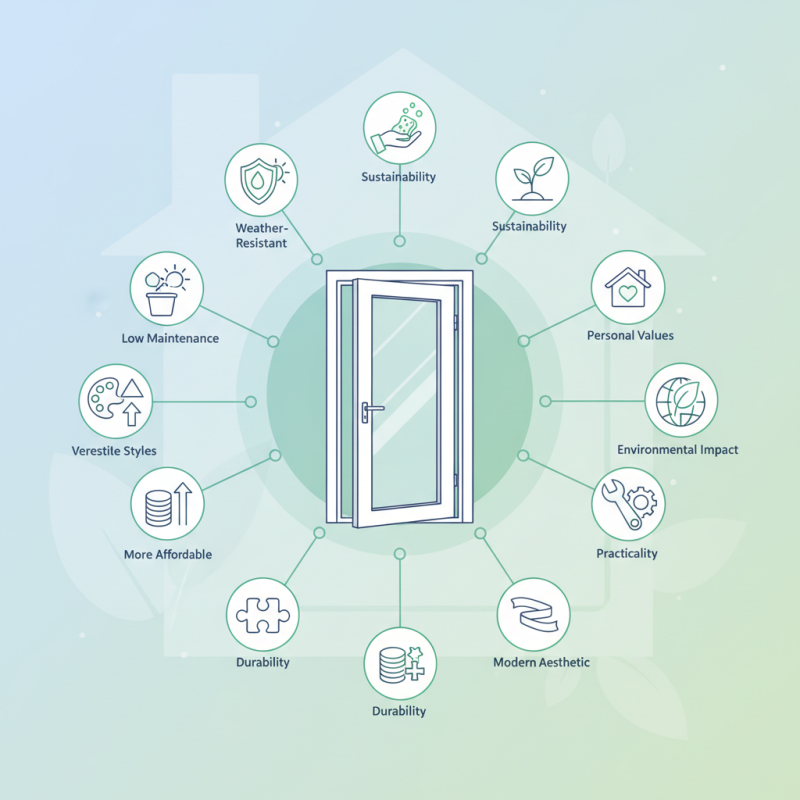
PVC doors provide practical benefits. They are weather-resistant, low maintenance, and available in various styles. Homeowners can find designs that fit any aesthetic. Additionally, these doors are often more affordable than traditional wooden or metal options. However, some argue they lack the charm of natural materials. This raises the question: are we sacrificing beauty for practicality?
As the demand for PVC doors increases, it is essential to weigh both pros and cons. While they are versatile, some may wonder about their long-term sustainability. It’s crucial to consider how these doors align with personal values and environmental impact. Embracing PVC doors could mean rethinking our approach to home aesthetics.
Advantages of PVC Doors in Home Design
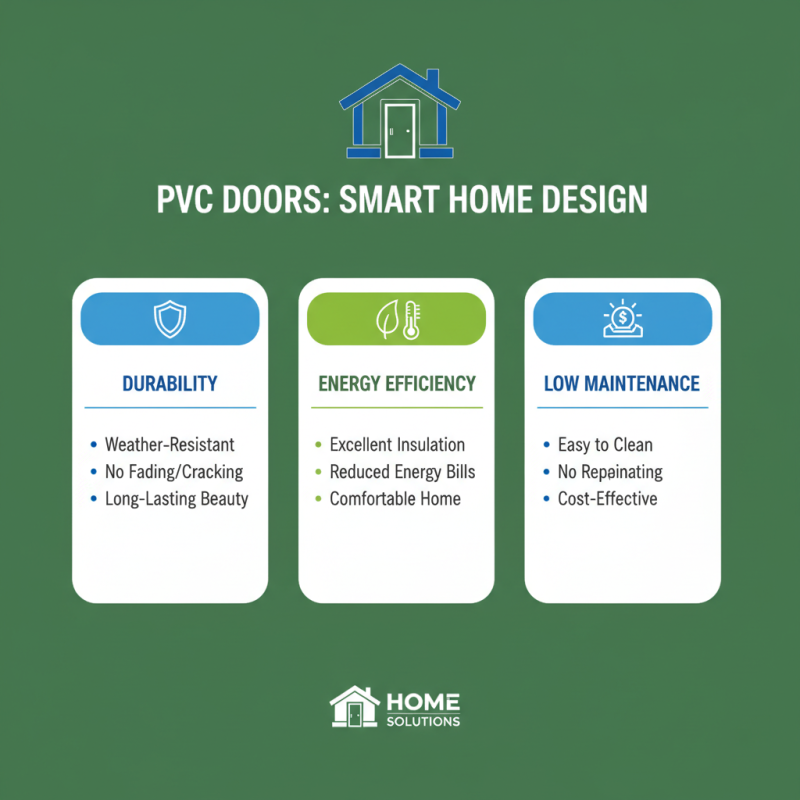
When it comes to home design, PVC doors offer numerous advantages. These doors are known for their durability and resistance to wear and tear. They can withstand harsh weather conditions without fading or cracking. This feature ensures that they maintain their aesthetic appeal over time. Additionally, PVC doors provide excellent insulation, helping to keep your home energy-efficient and comfortable.
Affordability is another significant benefit. PVC doors are generally more cost-effective than traditional wooden options. They require less maintenance and can save you money in the long run. However, some may find the look of PVC less appealing compared to natural wood. This is a point to consider for homeowners focused on classic aesthetics. Despite this, the wide variety of styles and colors available means that there's likely a suitable option for many tastes.
Another advantage is security. PVC doors are tough and can deter break-ins. They typically come with robust locking systems. However, they might not offer the same level of strength as steel doors. It’s crucial to weigh your home’s safety needs carefully. Reflecting on these factors can guide your choice in door materials, ensuring a blend of function and style.
Durability and Longevity of PVC Materials
When considering home design, PVC doors stand out for their durability. They can last for decades due to their exceptional resistance to wear and tear. According to industry reports, PVC materials show superior weather resistance compared to wood or metal, lasting up to 30 years without significant degradation. This longevity makes PVC a smart investment.
Tips: Keep the doors clean to maintain their appearance. Regular maintenance involves simple soap and water. Yet, some homeowners overlook this small task, leading to potential long-term issues.
The structural integrity of PVC does not diminish in extreme weather. It can withstand heavy rain and UV radiation. These properties help prevent warping, unlike wood doors that may bend and crack. However, not all PVC is created equal. Some cheaper options may weaken over time, so it’s essential to research thoroughly.
Tips: Insulate your doors properly. This can enhance energy efficiency. Often, homeowners forget the benefits of insulation, which can save on energy bills. Remember, a well-insulated door also contributes to a quieter home.
Energy Efficiency and Insulation Benefits
PVC doors are becoming a popular choice for home design. They offer impressive energy efficiency. One standout feature is their superior insulation. PVC doors keep your home warm in winter and cool in summer. This means you could see lower energy bills. Many homeowners appreciate this long-term savings.
Another benefit is the versatile design. You can find PVC doors in various styles and colors. This flexibility allows for creative expression in your home decor. However, some may feel limited by style options compared to other materials. It's essential to weigh these choices carefully. The durability of PVC also plays a role in energy efficiency. It resists drafts, providing a more comfortable indoor environment.
While PVC doors are beneficial, they aren't perfect. Some people notice they can fade over time. Regular maintenance is needed to preserve their look. Still, the energy-saving aspect makes them worth considering. Reflecting on your specific needs will help you decide if they suit your home.
Maintenance and Care for PVC Doors
When it comes to PVC doors, maintenance is essential for their longevity. Cleaning these doors is easy. Just use a damp cloth and mild detergent. Avoid abrasive cleaners as they can scratch the surface. Regularly checking for dirt buildup is helpful. A quick wipe every few weeks can keep them looking fresh.
Temperature changes can affect PVC doors. Extreme heat or cold may cause slight expansion or contraction. Occasionally, check the seals and hinges. A bit of lubricant can prevent squeaks and keep everything running smoothly. It’s normal for some minor wear over time, but proactive care can greatly reduce this.
Observing the door's condition can help catch issues early. Look for discoloration or warping. If repairs are needed, addressing them quickly is wise. You might not notice every little detail, but a little attention goes a long way. Some homeowners overlook small cracks, thinking they are minor. In fact, these can lead to bigger problems down the road. Keeping an eye on these factors ensures your PVC doors remain an attractive and functional part of your home.
Design Versatility and Aesthetic Appeal
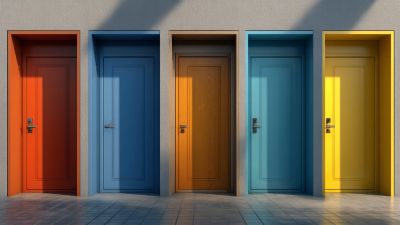
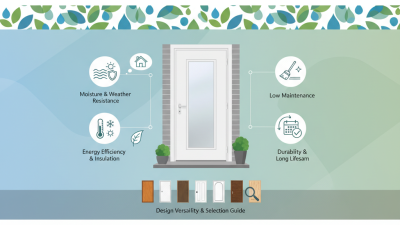
When it comes to home design, design versatility and aesthetic appeal are crucial. PVC doors offer a wide array of styles and colors. This gives homeowners significant freedom in expressing their creativity. According to a recent industry report, over 70% of homeowners appreciate customizable options in door designs. The ability to tailor a design can enhance the visual impact of any space.
PVC doors also mimic the appearance of natural materials, providing an attractive look without the high maintenance. They come in textures that resemble wood grain or even metal finishes. This hybrid style can appeal to different decorative themes. In a survey by the National Association of Home Builders, around 60% of respondents mentioned that aesthetics significantly influence their purchasing decisions. However, while these doors are designed for visual appeal, some may overlook the potential for color fading over time.
One might ponder the practicality of these doors as well. While PVC doors resist moisture and insects, their longevity may sometimes be questioned. Reports show that exposure to extreme weather can lead to warping or discoloration. This trade-off between aesthetics and durability is worth considering. Homeowners should weigh their options carefully when focusing solely on design appeal. Balancing beauty with functionality can lead to smarter choices in home design.
Top 10 Benefits of Using PVC Doors for Your Home Design