What Are the Benefits of Wall Cladding Panels in 2026?
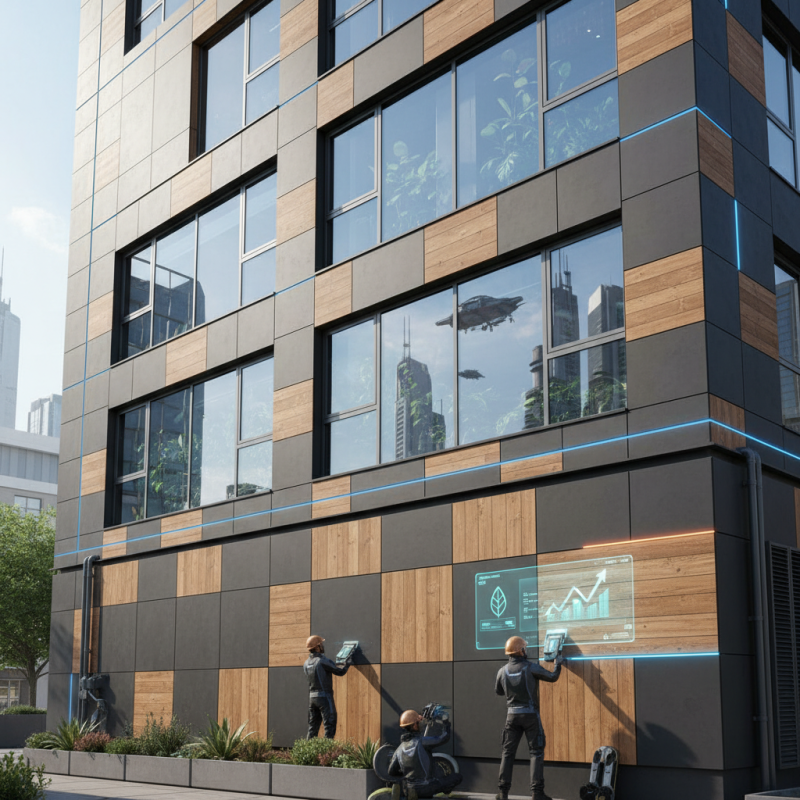
In 2026, wall cladding panels are becoming increasingly popular in construction and renovation. These panels enhance aesthetic appeal, providing diverse designs and finishes. The global market for wall cladding is projected to reach $300 billion by 2026, indicating a growing demand for stylish and functional building materials.
Wall cladding panels offer insulation benefits, reducing energy costs. Insulated panels can decrease heating and cooling needs by up to 30%. However, not every cladding option provides the same efficiency levels. Homeowners often overlook this aspect in their choices.
Moreover, durability is a key advantage of wall cladding panels. Many panels resist weather, moisture, and pests, extending building lifespans. Yet, installation can sometimes be tricky, leading to issues if not done correctly. Clarity in material selection and expert installation remains essential for optimal performance.
Benefits of Wall Cladding Panels in 2026: An Overview
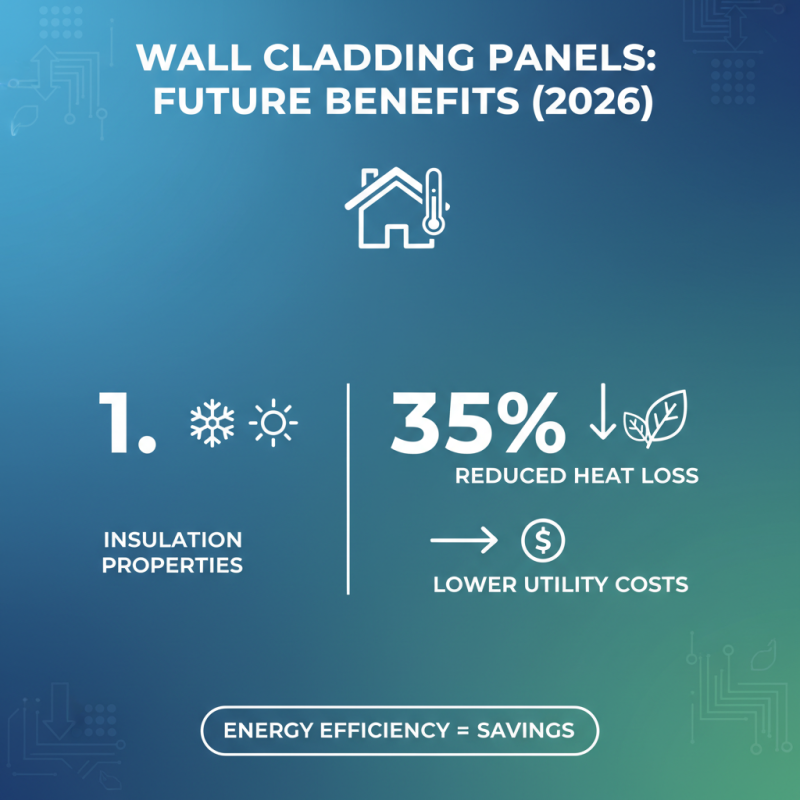
Wall cladding panels offer numerous advantages that are projected to grow in importance by 2026. One major benefit is their insulation properties. According to a recent report by the Building Research Establishment, effective wall cladding can reduce heat loss by up to 35%. Improved energy efficiency leads to lower utility costs. Many consumers are opting for these panels to cut down on energy bills.
Aesthetic appeal is another clear benefit. Wall cladding panels come in various styles and materials. This versatility allows for creative designs. A survey from the Interior Design Association noted that over 70% of architects consider cladding a crucial element in modern architecture. However, the challenge lies in selecting the right material that balances beauty and durability.
Maintenance is a key concern too. While many panels require minimal upkeep, some materials may fade or peel over time. This reality prompts building owners to evaluate the lifecycle costs of their cladding choices. Additionally, environmental impact is significant. Although some cladding options are recyclable, others contribute to waste. The construction industry must remain mindful of these trade-offs as it moves towards sustainable practices.
Durability and Weather Resistance of Modern Wall Cladding
In 2026, the demand for durable wall cladding panels continues to grow. These panels play a critical role in enhancing the longevity of buildings. According to the International Code Council, quality cladding systems can last over 50 years when well-maintained. This durability significantly reduces the need for replacements, directly impacting maintenance costs.
Weather resistance is another crucial advantage of modern wall cladding. Many panels are designed to withstand harsh weather conditions, including heavy rain and extreme temperatures. Recent studies show that buildings with advanced cladding materials can see up to a 30% reduction in energy consumption. This is largely due to improved insulation properties, resulting in lower heating and cooling costs.
However, not all cladding is created equal. Some materials may fade or warp over time, especially in areas with intense sunlight or humidity. Regular inspections are necessary to identify potential issues early. This ongoing maintenance can be a burden for property owners. Therefore, it is vital to choose cladding systems that balance aesthetics with functionality. The choice of materials and regular upkeep directly affects the long-term performance of wall cladding.
Energy Efficiency: How Wall Cladding Panels Enhance Insulation
In 2026, wall cladding panels have become a popular choice for enhancing building energy efficiency. The insulation properties of these panels are noteworthy. They create a barrier against outside temperatures.
This helps maintain a stable indoor environment. When temperatures drop or rise, wall cladding helps keep the heat or cool air inside.
Homeowners appreciate the reduction in energy bills. However, it is essential to consider the installation process.
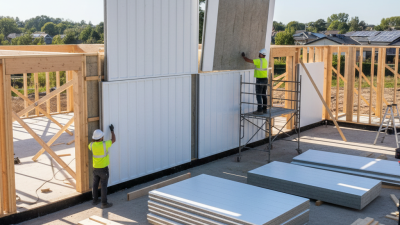
If panels are not correctly fitted, gaps can form. These gaps may lead to energy loss, counteracting the benefits. Therefore, careful consideration must be given to both the material and the installation technique used.
Moreover, wall cladding panels come in various designs. This flexibility allows for customization, yet it's crucial not to overlook the overall aesthetics. Choosing a panel that fits the building's design is vital.
Often, people prioritize energy efficiency over visual appeal. However, achieving a balance between function and beauty is essential for long-lasting satisfaction.
Aesthetic Versatility: Design Options for Wall Cladding in 2026
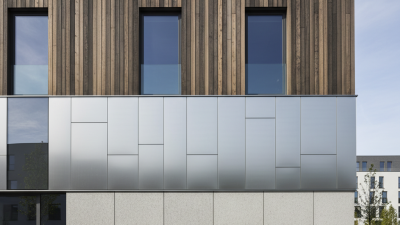
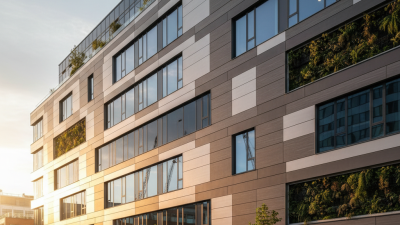
Wall cladding panels are gaining popularity for their aesthetic versatility. In 2026, designers are exploring a wide range of materials, colors, and textures. From wood to metal, the options are astonishing. They allow for unique expressions in both residential and commercial spaces.
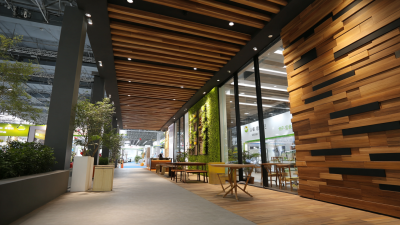
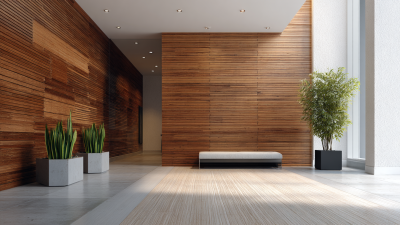
One trend is the use of natural finishes. Rustic wood panels can add warmth to any room. This choice enhances comfort but requires regular maintenance. Some people prefer sleek, metallic surfaces for a modern look. These can be striking but may not suit every environment.
Color plays a critical role in wall cladding design. Bold hues can create a focal point, energizing a space. Yet, there’s a risk of overwhelming a small room. Subtle tones, on the other hand, promote tranquility but might feel bland if overused. Finding the right balance is essential for design success.
Benefits of Wall Cladding Panels in 2026
Sustainability Trends: Eco-Friendly Materials in Wall Cladding Panels
In 2026, wall cladding panels are embracing sustainability. Eco-friendly materials are becoming vital. According to industry reports, 75% of consumers prioritize sustainability in building materials. This shift helps reduce carbon footprints. Materials like reclaimed wood and recycled metals are gaining popularity. They offer durability and aesthetic appeal, enhancing building designs.
Choosing sustainable cladding can also lower waste. Did you know that using recycled materials can cut energy consumption by 30%? This statistic emphasizes the importance of green choices. Additionally, many eco-friendly options require less maintenance. However, some products may still lack certifications. It's essential to verify claims before making a decision.
Tips: Always check for sustainability certifications. This ensures the product meets environmental standards. Additionally, consider local sourcing. Sourcing materials locally can reduce transportation emissions. Keeping your selections efficient can contribute to a greener future.