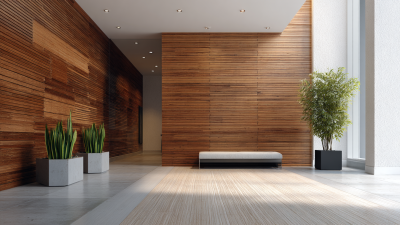
Top 10 Best Building Cladding Options for Modern Architecture in 2023
In the ever-evolving realm of modern architecture, the selection of appropriate materials plays a pivotal role in defining the aesthetics and functionality of buildings. One key component that architects and builders must consider is building cladding. Not only does cladding protect structures from weather elements, but it also contributes significantly to their visual appeal. As industry expert Dr. Emily Carter, a renowned architect known for her innovative designs, aptly puts it, "Choosing the right building cladding is essential to enhancing not only the durability but also the overall character of a building."
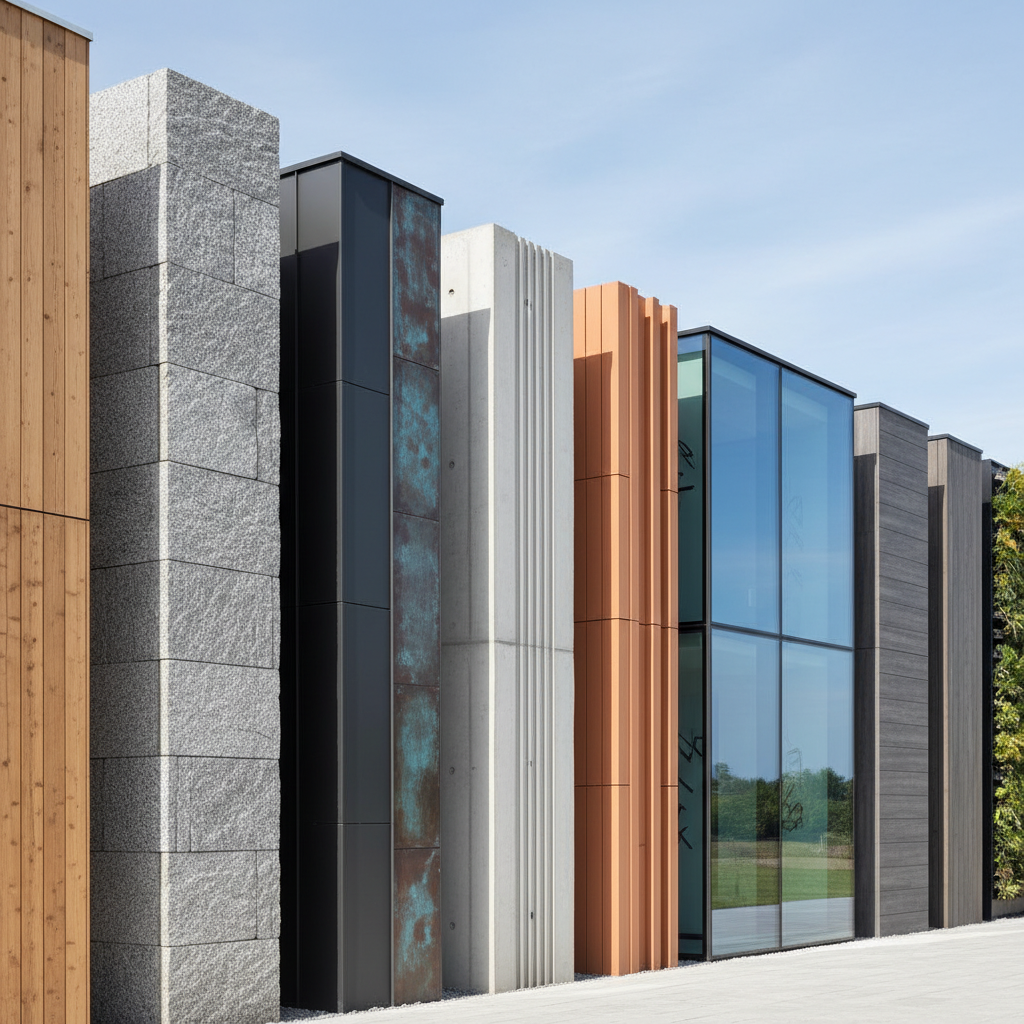
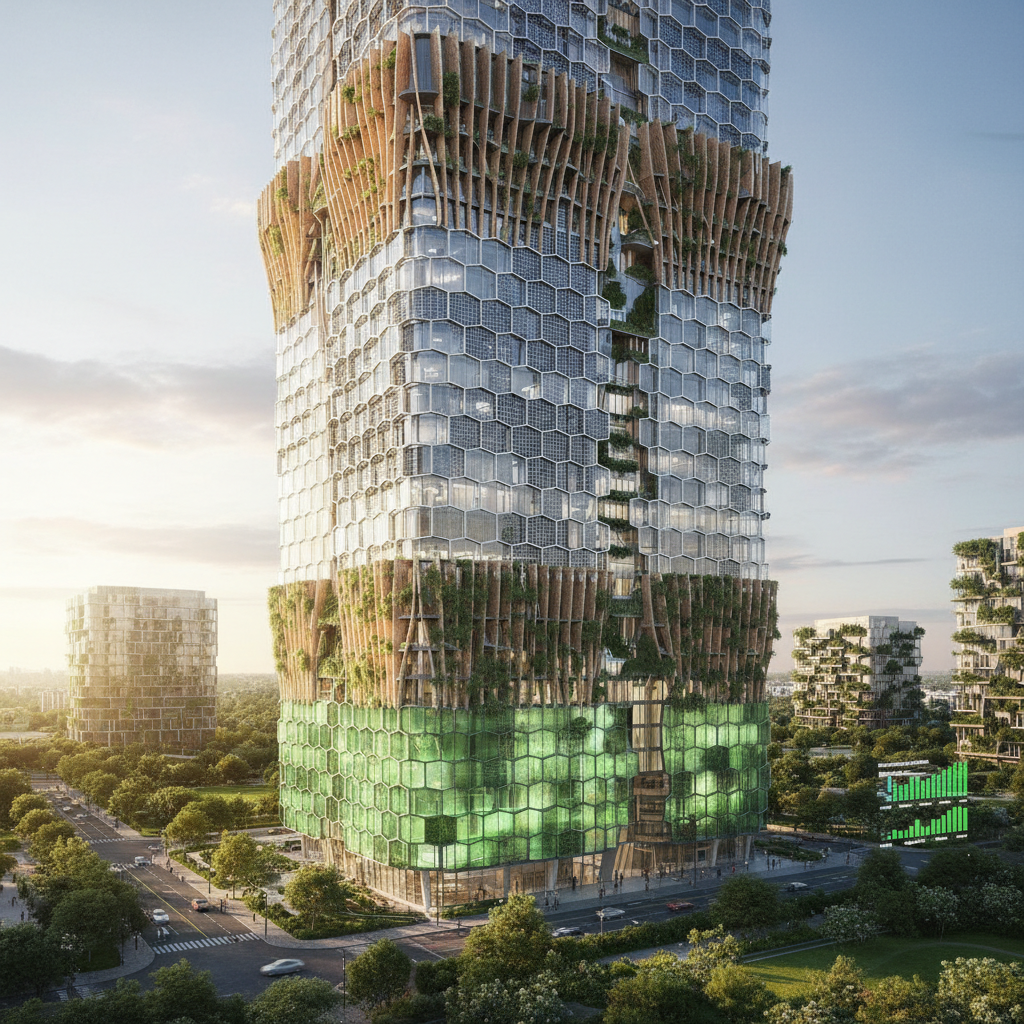
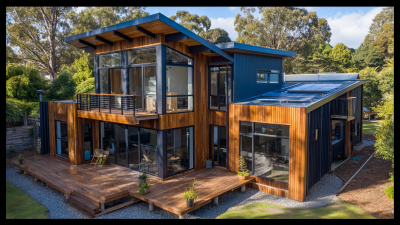
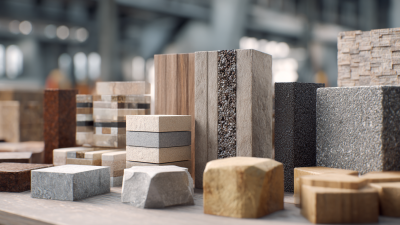
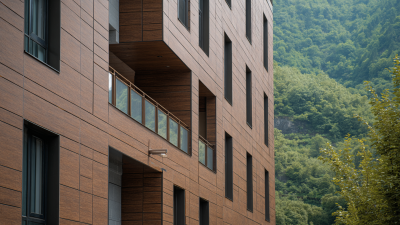
In 2023, the building cladding industry offers a plethora of options, each with unique benefits and design potentials. From traditional materials like wood and stone to cutting-edge solutions such as metal panels and composite materials, architects are presented with exciting choices to fit various architectural styles. Contemporary designs increasingly emphasize sustainability, leading to the rise of eco-friendly cladding materials that minimize environmental impact while providing aesthetic value. The discussion surrounding the best building cladding options is therefore not only about appearance but also integrates considerations for performance, maintenance, and sustainability.
As we delve into the top ten best building cladding options available this year, we highlight how these materials can redefine modern architecture, creating structures that are both visually stunning and functionally superior.
Emerging Trends in Building Cladding Materials for Sustainable Architecture in 2025
As we move towards 2025, the trends in building cladding materials are increasingly focusing on
sustainability and compliance with evolving safety standards.
Innovative materials are being developed that not only enhance the aesthetic appeal of modern architecture but also contribute to
energy efficiency and environmental conservation. This shift is driven by increased regulatory scrutiny and the necessity for constructions to meet stricter safety and environmental guidelines.
In addition to regulatory trends, numerous startups in the green building materials sector are emerging.
These companies are introducing novel solutions that address both sustainability and functional performance, revolutionizing the way architects and builders approach cladding.
With significant growth projected in the green construction market, industry stakeholders must pay attention to these trends and innovations,
which are reshaping the landscape of building materials and impacting business strategies for the future.
Comparative Durability and Maintenance Costs of Top Cladding Options in Modern Design
When considering building cladding options for modern architecture in 2023, durability and maintenance costs play a critical role in decision-making. According to a recent report by the Cladding Institute, materials such as fiber cement and aluminum are gaining popularity due to their longevity and lower upkeep expenses. Fiber cement, for instance, boasts a lifespan of up to 50 years with minimal maintenance, presenting an attractive option for environmentally conscious projects. The report suggests that while the initial installation costs for fiber cement may be higher, the overall lifecycle cost is significantly lower, making it a cost-effective choice.
In contrast, natural materials like wood may offer aesthetic appeal but come with increased maintenance requirements and potential durability issues. Research by the Building Materials Association highlights that wood cladding typically needs repainting or sealing every 3-5 years, resulting in cumulative maintenance costs that can soar over time. Similarly, traditional brick cladding, while durable, can incur higher repair and installation costs, particularly when dealing with structural issues. The comparative analysis emphasizes the importance of selecting cladding that balances visual impact with practical considerations, ensuring that modern architecture remains viable and sustainable in the long run.
The Role of Insulation Performance in Selecting 2025's Best Cladding Materials
When selecting cladding materials for modern architecture, insulation performance plays a crucial role in enhancing energy efficiency and improving overall building performance. With evolving building regulations aimed at reducing carbon emissions, the focus has shifted towards materials that not only provide aesthetic appeal but also meet stringent thermal performance standards. Advanced insulation options, such as mineral wool, are increasingly recognized for their ability to support sustainable construction practices and contribute to net-zero building design.
In the realm of facade cladding, contemporary designs are all about balancing structural integrity with thermal efficiency. Innovations like Thermowood are addressing both architectural and insulation needs, ensuring that the exterior facades do not compromise the energy performance of the building. Furthermore, recent advancements in multifunctional materials, including waste-based bioplastic wall panels, showcase the industry's commitment to sustainability by combining acoustic, thermal, and structural benefits. As the focus on insulation continues to grow, architects and builders must prioritize these factors to achieve not only aesthetically pleasing but also high-performance building envelopes.
Innovations in Aesthetic Design: Visual Appeal of Upcoming Cladding Solutions
In the realm of modern architecture, the importance of innovative cladding solutions cannot be overstated. As architects push the boundaries of aesthetic design, the visual appeal of building exteriors plays a critical role in enhancing property values and urban aesthetics. The integration of advanced materials—such as high-performance glass, metal composites, and environmentally friendly options—has demonstrated that cladding can transcend its basic protective function to become a key visual component. According to a recent report by the International Council for Research and Innovation in Building and Construction, approximately 30% of architectural projects are now incorporating sustainable cladding solutions, reflecting a growing trend towards eco-conscious design.
Moreover, trends show that the market for building cladding is projected to grow at a CAGR of 5.6% through 2027, indicating a strong demand for options that not only meet functional criteria but also offer compelling visual designs. With the rise of digital fabrication techniques, architects are increasingly able to customize cladding to suit specific aesthetic visions while ensuring durability and efficiency. This innovation plays a significant role in modern architecture, as exemplified by recent showcases, such as the Shenzhen Gift Packaging Exhibition, where design and functionality unite to create impactful experiences. By embracing these innovative solutions, the industry is paving the way for a future where architecture not only shelters but also inspires.
Top 10 Best Building Cladding Options for Modern Architecture in 2023
| Cladding Type |
Material |
Energy Efficiency |
Aesthetic Appeal |
Durability |
| Metal Panels |
Aluminum, Steel |
High |
Modern, Sleek |
50+ years |
| Vinyl Siding |
PVC |
Moderate |
Versatile |
30-40 years |
| Fiber Cement |
Cement, Cellulose |
High |
Textured, Natural |
50+ years |
| Wood Cladding |
Cedar, Pine |
Moderate |
Warm, Organic |
20-30 years |
| Stone Veneer |
Natural Stone |
High |
Elegant, Timeless |
100+ years |
| Glass Panels |
Tempered Glass |
High |
Transparent, Modern |
50+ years |
| Brick |
Clay, Concrete |
High |
Classic, Attractive |
100+ years |
| Composite Panels |
Aluminum, Plastic |
High |
Contemporary |
30-50 years |
| Curtain Walls |
Glass, Metal |
High |
Sleek, Airy |
50+ years |
| Stucco |
Cement, Lime |
Moderate |
Textured, Soft |
30-50 years |
Market Analysis: Demand Growth and Future Projections for Cladding Materials by 2025
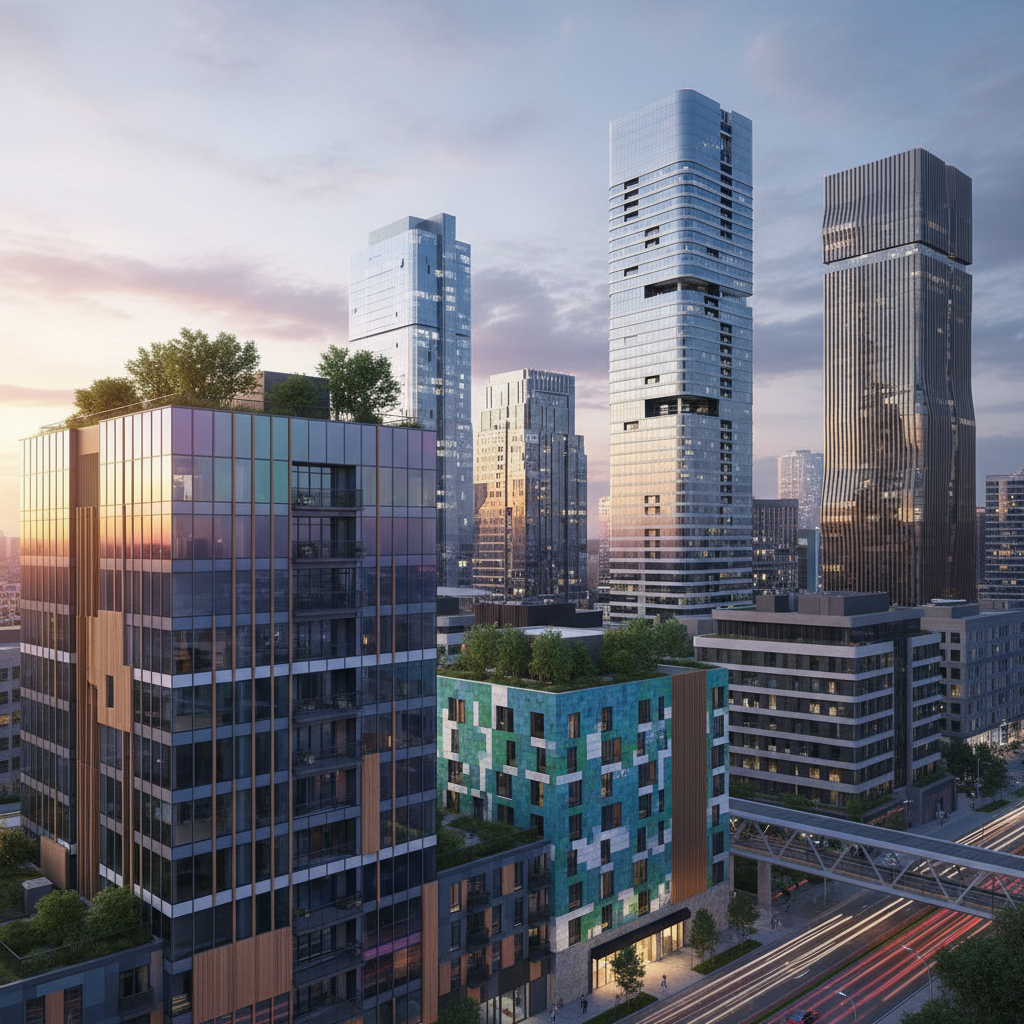
The building cladding market is experiencing significant growth, driven by the demand for innovative and sustainable construction materials. By 2025, the market for various cladding options such as vinyl, ceramic tiles, glass panels, and fiber cement is expected to flourish. The rising interest in modern architecture emphasizes the importance of aesthetic appeal and functional performance, pushing architects and builders to seek advanced materials that meet both design and environmental standards.
Looking ahead, the growth projections for these materials remain robust. For instance, the global fiberglass market is anticipated to rise from $21.02 billion in 2025 to $31 billion by 2032, reflecting a strong compound annual growth rate (CAGR). Similarly, other segments like aluminum extrusion and green building materials are expected to witness consistent increases, highlighting a shift towards more energy-efficient and versatile building solutions. As sustainability becomes a focal point in construction practices, the demand for innovative cladding options will likely continue to escalate, shaping the landscape of modern architecture.