10 Best Cladding Panels for Exterior Walls?

Choosing the right cladding panels can change how an exterior wall performs, ages, and feels.

A rainscreen specialist, Dr. Joseph Lstiburek, often emphasizes a simple principle: “Water is the most destructive force in buildings.” That warning belongs at the center of every cladding decision. Attractive panels mean little if moisture reaches the structure, joints fail, or ventilation is blocked. Good design begins behind the visible surface.

This guide examines 10 best cladding panels for exterior walls, including fiber cement, metal, brick, stone, wood, and composite systems. Each option brings different strengths. Some resist fire and insects. Others create warmth through texture and natural variation. Installation quality matters just as much as the panel itself.

Look closely at drainage gaps, fasteners, corner details, and substrate compatibility. A panel that performs well in a dry climate may struggle with coastal wind or freeze-thaw cycles. That difference is easy to miss.

There is no universal “best.”

Budget, maintenance, insulation, local weather, and architectural style all influence the final choice. Even experienced builders sometimes underestimate color fading or water management. I have seen beautiful wall systems lose their appeal after poorly sealed joints stained the surface.

The following overview focuses on practical performance, visual character, service life, and installation realities. It also recognizes an uncomfortable truth: product brochures rarely show the difficult details. Those details often decide whether cladding panels remain durable or become an expensive repair.
10 Best Cladding Panels for Exterior Walls?

What Are Exterior Wall Cladding Panels?

Exterior wall cladding panels are protective and decorative layers fixed over a building’s outer walls. They can improve weather resistance, appearance, insulation, and maintenance performance. Unlike structural walls, cladding usually does not carry the building’s main load. It works as a durable outer skin.

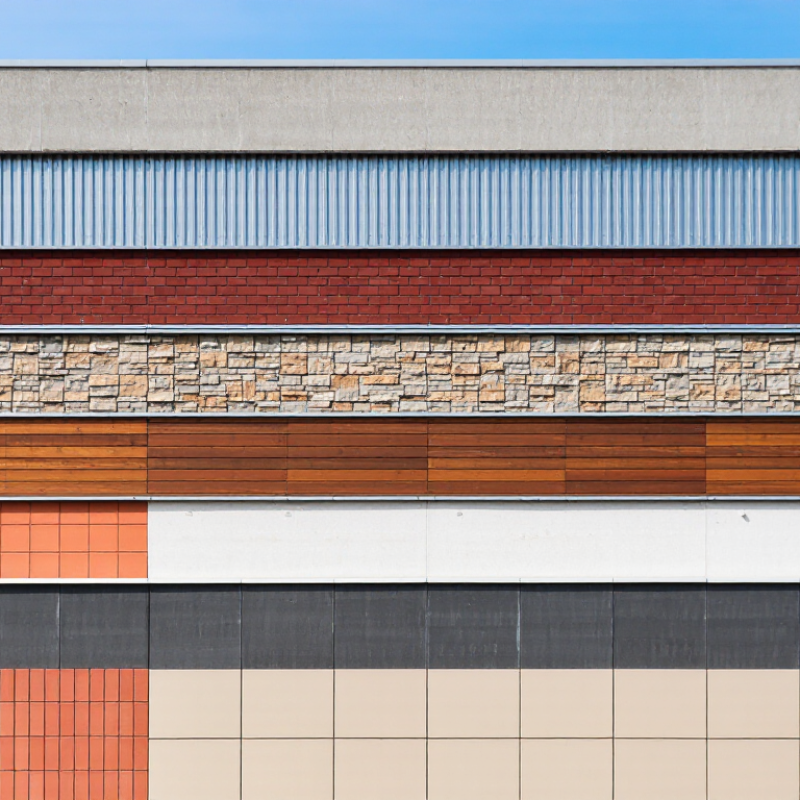
Common options include fiber cement, metal, timber, stone veneer, brick slips, terracotta, high-pressure laminate, vinyl, composite, and insulated sandwich panels. Each material behaves differently. Metal handles rain well but may dent. Timber feels warm but needs regular coating. Fiber cement offers a balanced appearance and strong fire performance, depending on its tested system. Insulated panels can reduce heat loss, but joints require careful sealing.

Installation details matter more than many buyers expect. A small gap behind the panels can support drainage and airflow. Incorrect fasteners may cause staining, movement, or corrosion. On renovation sites, uneven walls often create the biggest problem. The panel may look perfect in the sample room, yet appear different under harsh sunlight. No panel is perfect.

A reliable selection considers climate, wall condition, fire requirements, cleaning access, impact risk, and local building rules. Check tested performance, installation instructions, and warranty limits before choosing. Cost alone can mislead. A cheaper panel may demand repainting or repairs sooner. Even experienced contractors should review the fixing layout again; assumptions cause avoidable mistakes.

10 Best Cladding Panels for Exterior Walls

Exterior wall cladding panels are protective and decorative systems installed over a building’s structural wall. The chart compares representative panel thicknesses commonly used in exterior applications; actual specifications vary by manufacturer, wind load, fire rating, and installation system.

How to read the chart: Lightweight metal panels are typically thinner, while mineral-based and masonry-style panels are generally thicker. Thickness alone does not determine performance; moisture control, thermal insulation, impact resistance, fire behavior, and installation quality are also important.

Key Factors for Comparing Cladding Panel Materials

Choosing among the 10 best cladding panels should begin with the building, not a product photograph. Fiber cement, metal, terracotta, stone veneer, wood, and high-pressure laminates perform differently. Check impact resistance, panel weight, cut-edge treatment, and expected movement. Heavy panels may need stronger support. Lightweight systems can simplify installation, but they may transmit dents or sound.

Moisture control deserves close attention. A durable wall usually needs a drained cavity, correctly lapped membranes, and open flashings. Ask how each panel handles freeze-thaw cycles, salt air, ultraviolet exposure, and thermal expansion. Fire performance must match the wall assembly, not merely the panel label. Request tested assembly evidence and confirm requirements with a qualified local professional. That step is not optional.

Cost comparisons often hide labor, fasteners, trims, scaffolding, cleaning, and replacement access. Review installed costs across the wall’s service life. Wood may require frequent coating, while some metal finishes show scratches clearly. Stone-like surfaces can look convincing yet vary between production batches. On site, teams sometimes choose a panel for appearance, then struggle with corner details. Mock-ups expose these problems early. No comparison is perfect; local weather, workmanship, and maintenance habits can change the result.

How Ten Popular Cladding Panels Perform Outdoors

Outdoor cladding must handle rain, ultraviolet light, wind, and repeated temperature changes. In site inspections, drainage and fixing quality often matter as much as the panel itself. Fiber-cement panels resist moisture and fire well, but cut edges need careful sealing. Brick slips provide a familiar, durable face when the substrate remains stable. Natural stone handles harsh weather impressively, although its weight demands stronger support and precise anchoring. Porcelain panels shed water and resist fading, yet installers must protect corners from impact. It stays cool.

Aluminum panels are light, corrosion-resistant, and useful for ventilated façades. Coastal air still requires suitable coatings and regular checks. Steel panels deliver strength and sharp lines, but scratches can expose vulnerable metal. Timber cladding offers warmth and repairability; species, ventilation, and finish determine outdoor life. Expect color change. Vinyl panels cost less and resist rot, though heat can cause movement around poorly detailed openings. High-pressure laminate panels provide consistent patterns and moderate impact resistance. Their joints need careful detailing because trapped water causes trouble.

Composite panels combine low maintenance with broad visual choices, but core composition and fire classification must be verified for each project. I would compare drainage gaps, fasteners, replacement access, and local exposure before selecting a finish. A sheltered urban wall may suit timber, while a windy, salty elevation may favor coated metal or porcelain. No panel performs perfectly when ventilation is blocked or fixings are undersized. That is where attractive installations disappoint. Product data helps, but an on-site mock-up can reveal glare, joint movement, and cleaning demands earlier.

Installation Requirements for Different Cladding Systems

Choosing among the 10 best cladding panels for exterior walls depends on installation conditions, not appearance alone. Metal, fiber-cement, wood, terracotta, high-pressure laminate, and insulated panels require different substrates, fasteners, and movement allowances. A drained and ventilated cavity is often essential behind panel systems. It gives trapped water a route to escape. However, cavity width and fire-stopping details must follow the project’s code and tested assembly.

The International Energy Agency reports that buildings consumed about 30% of global energy in 2022. Therefore, continuous insulation and carefully sealed joints matter beyond aesthetics. Installers should inspect sheathing flatness, maintain head and sill flashings, and separate dissimilar metals. NFPA 285 testing may apply to combustible components in multi-story wall assemblies. The 2024 International Building Code also requires project-specific attention to water resistance, fire performance, and attachment design. A small error around a window can undermine an otherwise excellent wall.

Tips: Keep fasteners perpendicular and fully seated. Do not compress panel edges. Record cavity barriers before closing the wall. Use manufacturer-independent engineering review when wind loads, coastal exposure, or tall façades increase risk. Field inspections often reveal rushed sealant work. That is worth admitting. Recheck corners, penetrations, and base details before final approval.

Maintenance, Durability, and Cost Considerations

10 Best Cladding Panels for Exterior Walls?

Maintenance, Durability, and Cost Considerations

Exterior cladding should be judged beyond appearance. In renovation work, I have compared fiber cement, metal, timber, stone veneer, brick slips, high-pressure laminate, PVC, porcelain, composite, and insulated panels. Each option handles weather differently. Fiber cement and metal usually need little routine care, while timber may require regular staining. Coastal air can accelerate corrosion. Small design choices matter.

Durability depends on installation as much as material. A ventilated cavity helps walls dry after heavy rain. Correct flashing protects corners, windows, and lower edges. Poorly sealed joints can damage even an expensive panel. Porcelain and stone resist scratches well, but their weight may require stronger support. Composite panels can be practical, yet heat movement must be carefully managed. Looks are not enough.

Cost calculations should include fasteners, framing, labor, cleaning, repairs, and replacement cycles. A cheaper PVC panel may become expensive if it fades or cracks early. Metal can cost more initially but reduce repainting work. Timber offers warmth, though maintenance is easy to underestimate. I once focused too heavily on purchase price and overlooked access costs for upper-floor repairs. That mistake changed my evaluation method. Request written installation guidance, check drainage details, and compare maintenance over twenty years rather than one season. Consider local climate, fire performance, impact resistance, and available installers before choosing.

10 Best Cladding Panels for Exterior Walls?
Maintenance, Durability, and Cost Considerations
Indicative U.S. residential exterior-wall costs in 2025–2026. Installed prices vary by region, wall condition, insulation, design complexity, labor, and local code requirements.
Cladding Type Typical Form Installed Cost
(USD/ft²)
Expected Service Life Maintenance Level Typical Maintenance Durability Strengths Main Limitations Best Use Case
Fiber-Cement Panels Large panels, boards, or lap-style sheets $6–$15 30–50+ years Low Clean periodically; repaint generally every 10–15 years, depending on finish and exposure. Resists rot, insects, moisture, and moderate impact; many products are noncombustible. Heavy; cutting creates silica dust; incorrect flashing can cause moisture damage. A balanced choice for long-term performance and a painted wood appearance.
Engineered Wood Panels Textured panels, lap boards, or vertical sheets $6–$14 20–30 years Moderate Inspect joints and coatings; repaint or reseal about every 5–10 years. Lighter and more uniform than solid wood; good dimensional stability when properly installed. Vulnerable to swelling or edge damage if water enters cut ends or unsealed joints. Wood-style designs where lower weight and consistent appearance are priorities.
Natural Wood Panels Shiplap, vertical boards, shingles, or rainscreen panels $8–$20 20–40 years with care High Stain or paint every 3–7 years; inspect for termites, fungal decay, and moisture intrusion. Repairable, renewable, and visually adaptable; damaged boards can often be replaced individually. Can rot, split, fade, or attract insects without adequate detailing and regular coating. Projects seeking authentic texture, warmth, and a natural appearance.
Brick Veneer Panels Thin masonry units or prefabricated brick-faced panels $10–$30 75+ years Low Inspect mortar and flashing; clean gently; repoint joints when deterioration becomes visible. Excellent fire, weather, insect, and impact resistance; retains color well. Higher labor cost; requires careful drainage, movement joints, and structural support details. High-durability façades with a traditional masonry appearance.
Natural Stone Veneer Panels Thin-cut stone panels or individually set veneer pieces $12–$30 50–100+ years Low Occasional low-pressure cleaning; inspect sealants, joints, flashing, and drainage paths. Very resistant to ultraviolet exposure, fire, rot, insects, and physical wear. Heavy and expensive; some stones can stain or absorb water if poorly selected or detailed. Premium façades where longevity and natural visual variation matter most.
Stucco Panels or Render Systems Cement-based or acrylic-coated continuous wall systems $7–$14 30–50 years Moderate Check for cracks and failed sealants; repaint or refinish when the surface weathers. Good fire resistance; seamless appearance; can provide strong weather protection with proper drainage. Cracks can develop from movement or poor installation; trapped moisture may damage the wall assembly. Warm climates and contemporary or Mediterranean-style architecture.
Metal Panels Aluminum, galvanized steel, or zinc standing-seam panels $10–$25 40–70 years Low Rinse dirt and salt deposits; inspect coatings, fasteners, seams, and areas exposed to dissimilar metals. Lightweight, recyclable, fire-resistant, and highly resistant to insects and rot. Can dent, scratch, corrode in aggressive environments, or transmit rain and thermal movement noise. Modern façades, rainscreen systems, and buildings requiring low-maintenance surfaces.
Vinyl Panels Hollow-back or insulated interlocking panels $4–$12 20–40 years Low Wash occasionally; replace cracked or wind-damaged pieces; avoid excessive heat sources. Low initial cost, lightweight installation, and resistance to rot and insects. Can crack in severe cold or impact, fade over time, and deform under concentrated heat. Budget-conscious projects and rapid renovations with simple wall geometry.
High-Pressure Laminate Panels Ventilated rainscreen panels with concealed or exposed fixings $12–$30 30–50 years Low Clean with mild detergent; inspect joints, edge details, fasteners, and the ventilation cavity. Consistent color and texture; good impact resistance and dimensional stability when detailed correctly. Higher material cost; cut edges and joints must be protected from prolonged water exposure. Contemporary commercial or residential designs needing crisp panel lines.
Terracotta Panels Extruded or molded fired-clay rainscreen panels $15–$35 50–100+ years Low Periodic cleaning and inspection of clips, joints, sealants, and drainage openings. Noncombustible, colorfast, resistant to ultraviolet exposure, and suitable for ventilated wall assemblies. Premium cost; panels can chip or break under severe impact and require precise subframing. Long-life architectural façades with a distinctive ceramic or clay appearance.