What Is the Best Composite Wall Cladding in 2026?

Choosing the best composite wall cladding in 2026 is less about a “premium” label and more about how the wall performs in its climate. A sun-baked coastal home, a shaded townhouse, and a commercial façade face different stresses. Composite boards also vary in resin, fibre content, surface cap, profile, and fixing system. These details affect fading, moisture movement, cleaning, and how joints look after several seasons. Details matter. Building-science expert Joseph Lstiburek’s “perfect wall” principle offers a useful lens. A paraphrase, not a verified verbatim quotation, is: “Cladding works only as well as the wall assembly behind it.”

This guide compares composite wall cladding by durability, appearance, installation demands, maintenance, and documented performance. It looks at capped and uncapped boards, ventilation gaps, concealed fasteners, and the practical importance of expansion space. It also asks what product data can actually confirm, rather than treating broad marketing claims as proof. A sample board may look convincing indoors; outdoor exposure tells a less tidy story. No single winner. The right choice depends on the building, the installer’s experience, and the owner’s tolerance for upkeep. Check current technical sheets, warranty conditions, and local project requirements before specifying a system. Even careful comparisons leave uncertainty: climate, workmanship, and detailing can change the result. That is worth admitting. A cladding decision should be judged as part of a complete façade, not by colour or price alone.
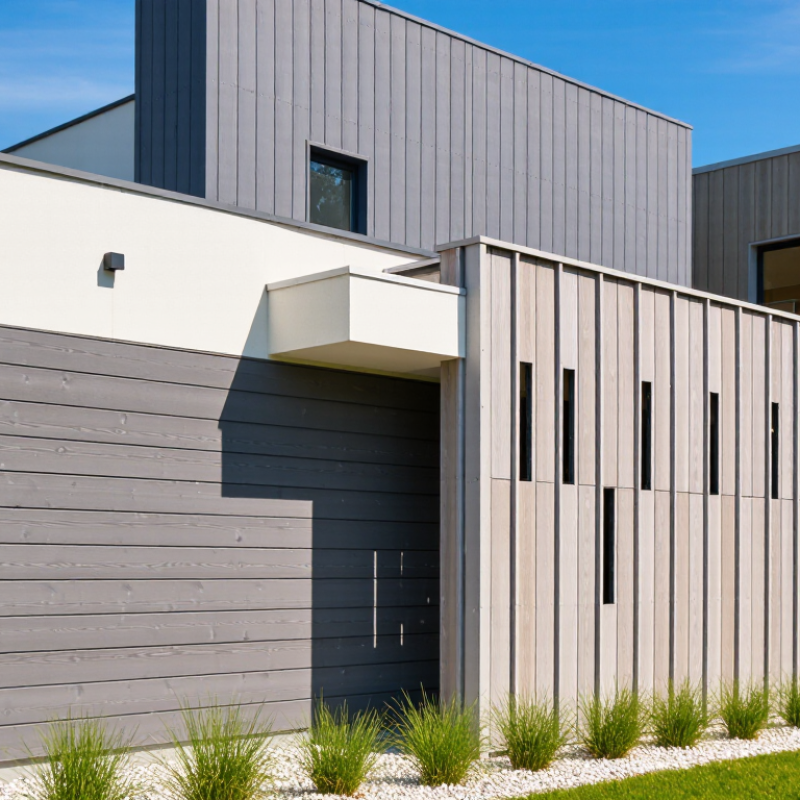
What Is the Best Composite Wall Cladding in 2026?

What Composite Wall Cladding Is and How It Is Made

Composite wall cladding is an engineered profile, not simply painted timber. It usually combines wood flour or fibers with a thermoplastic resin, such as polyethylene or polypropylene. Pigments, stabilizers, and bonding additives help control color, weathering, and processing. Formulas vary. That matters.

In production, the ingredients are blended, heated, and pushed through a shaped die. The profile is then cooled, cut, and sometimes embossed with a grain-like texture. Some products have solid cores; others use hollow chambers to reduce weight.

A 2014 European wood-plastic composites market study estimated roughly 260,000 tonnes of European production in 2012. Decking was the leading application, while cladding accounted for a smaller share. The figures describe an older market snapshot, not today’s output.

The wood content can make the surface feel less synthetic, but it does not make the product maintenance-free. Heat, moisture, UV exposure, and installation details all affect performance. A dark panel in direct sun may become hot to touch, while poorly drained joints can hold water. Check technical data for expansion, fire performance, and fixing requirements; composition alone cannot predict service life. Even good profiles need thoughtful detailing.

Which Composite Cladding Types Are Available in 2026?

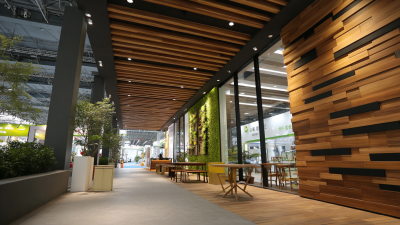
Composite cladding is not one material. In 2026, common options include wood-plastic composite (WPC), capped WPC, and mineral-filled polymer boards. WPC blends wood fibres with plastic, giving boards a timber-like texture and more consistent dimensions than many natural boards. Uncapped boards show the composite throughout, so scratches may be more visible. Co-extruded, or capped, boards add a protective outer layer. That layer can help resist stains and fading, but it does not make the surface maintenance-free. Small distinction. Capped products may also have a more uniform finish, which can look less like natural timber.

Profiles vary too. Hollow boards are lighter and may suit some wall systems, while solid boards feel denser and can be easier to cut cleanly. Details matter. Some cladding is supplied as narrow slats; other systems use wider boards or panels with concealed fixings. Check the tested fire performance, ventilation requirements, fixing method, and installation guidance for the exact product—not just the material category. Ask how the finish handles direct sun, damp conditions, and temperature changes on your elevation. A dark board on a sun-facing wall may behave differently from a pale one in shade. There is no perfect profile for every building. Not always. Even convincing timber grain can look repetitive across a large wall, so review full-size samples outdoors before choosing.

How to Compare Durability, Safety, Appearance, and Cost

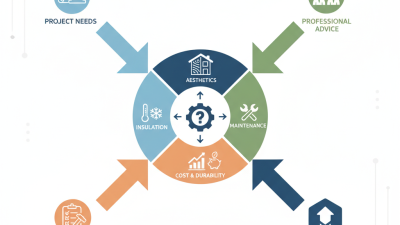
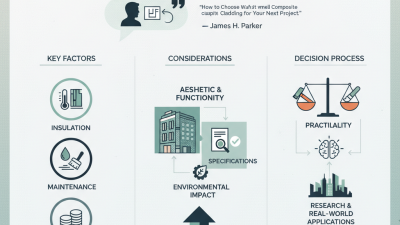
The best composite wall cladding in 2026 depends on the building, climate, and installation—not just the board’s appearance. Compare products using the same evidence: published weathering data, warranty terms, and independent test reports. Ask how the cladding handles prolonged rain, strong sun, and freeze-thaw cycles. Look for clear guidance on expansion gaps and fixing points. A sample left outdoors can reveal fading or surface changes, though a few weeks cannot predict years of exposure. Small details matter.

Safety deserves a separate check. Request fire-test documentation for the exact product and wall assembly, since performance can vary with the system. Also confirm how the boards are fixed and whether the installer follows the stated ventilation requirements. For appearance, inspect full-size samples in daylight; a small showroom swatch may hide texture and color variation. Compare total installed cost, including subframe, trims, fasteners, labor, and expected cleaning. A low purchase price may not mean lower long-term cost. I would not pretend every maintenance estimate is precise; exposure and workmanship can change the outcome. Choose the option with evidence you can verify, not the boldest promise.

Which Cladding System Best Suits Different Building Needs?

What Is the Best Composite Wall Cladding in 2026?

Which Cladding System Best Suits Different Building Needs?

The right composite cladding depends on the building, not just its appearance. For a house exposed to heavy rain, a ventilated rainscreen system can help water drain and allow the wall cavity to dry. On a sheltered garden room, simpler boards may meet the need with fewer components. Check the wall structure, fixing method, and manufacturer’s installation details before choosing. Small gaps matter.

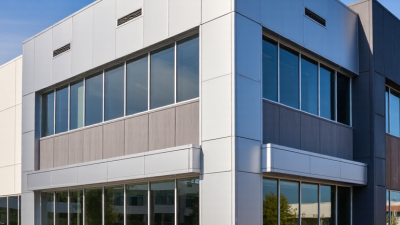
For busy public entrances, textured panels can help disguise everyday marks, while smooth finishes may suit a clean, contemporary façade. If the building faces strong sun, ask for reliable colour-retention data and consider a sample outdoors; a showroom swatch can look quite different in daylight. Fire performance, wind loads, and maintenance needs also vary by product and assembly. Requirements depend on the project and location, so confirm them with a qualified designer or building professional. I would not treat one system as universally best.

Tips: Compare installed cost, not board price alone. Ask who handles drainage details, corners, and window openings. Inspect a sample after rain and in direct sun. A missed junction can matter more than the panel finish.

How Installation and Maintenance Affect Long-Term Performance

What Is the Best Composite Wall Cladding in 2026?

Long-term performance depends as much on installation as on the cladding itself. A well-made board can still warp or stain if water becomes trapped behind it. Installers should check that the supporting battens are level and that the wall cavity can drain and breathe. Small gaps matter. Leave the movement clearances specified for the product, especially near corners, windows, and board ends. Composite materials can expand and contract with temperature changes. Tight fixings may restrict that movement and create stress around screw holes. Cutting boards on site also calls for care; rough edges can expose the core to moisture and make joints look uneven.

Maintenance is usually simple, but “low maintenance” does not mean “no maintenance.” Rinse off dirt with water and use mild soap for stubborn marks, rather than abrasive cleaners that may damage the surface. Check after heavy rain for blocked drainage paths, loose fixings, or debris caught at the base of the wall. Look closely around windows. These areas can hide water problems. Follow the installation and cleaning guidance for the specific product, since surface finishes and fixing systems vary. One point is easy to overlook: even a careful installer may miss a small gap. A yearly inspection can catch that early, before a minor repair becomes a costly replacement.

What Is the Best Composite Wall Cladding in 2026? — How Installation and Maintenance Affect Long-Term Performance

Cladding Type Typical Strengths Installation Factors That Matter Routine Maintenance Common Long-Term Risks Best-Fit Assessment
Fiber-cement panels and boards Dimensionally stable, non-combustible, and resistant to rot and insect damage. Available in painted, textured, and wood-look finishes. Use the specified support spacing and corrosion-resistant fasteners. Provide correct joint gaps, flashing, and a drained or ventilated cavity where required. Cut and handle panels according to manufacturer safety instructions. Inspect joints, paint, sealants, and flashings periodically. Clean with a soft brush and water; repaint or renew sealants when the finish or joint system requires it. Incorrect clearances or detailing can allow water behind panels. Cut edges and damaged coatings may need protection; impact can chip or crack panels. Best balanced option for many projects seeking fire resistance, durability, and relatively low upkeep, provided the wall is detailed and installed correctly.
Wood-plastic composite (WPC) boards Wood-like appearance with reduced susceptibility to rot and insect attack compared with untreated timber. Boards are often available in multiple colors and profiles. Allow for thermal movement using the specified gaps, clips, and fixing pattern. Keep boards clear of standing water and follow requirements for cavity ventilation, ground clearance, and support spacing. Wash off dirt and organic growth with mild detergent and water. Check fixings, joints, drainage paths, and areas exposed to persistent moisture. Color can fade or weather unevenly; heat, moisture, and inadequate expansion gaps can contribute to distortion. Product fire performance varies and must be verified for the specific system. A practical choice for a timber-style finish and straightforward cleaning, but not automatically the best choice for high-fire-risk locations or severe heat exposure.
High-pressure laminate (HPL) panels Broad choice of colors and patterns, including wood and stone effects. Suitable exterior grades can offer good resistance to weathering and surface wear. Use exterior-grade panels and the approved carrier system. Account for panel movement, edge clearances, fixing positions, ventilation, and water drainage; follow the tested system details. Clean with water and a non-abrasive cloth or mild cleaner. Inspect panel edges, joints, fixings, and the supporting subframe. Incorrect detailing can trap moisture or stress panels. Surface appearance may be affected by abrasion, impact, UV exposure, or unsuitable cleaning products. A strong option when design flexibility and a consistent finished appearance are priorities; installation precision is essential for long-term performance.
Aluminium composite panels (ACP) Lightweight, flat, and available in many finishes. Can support crisp architectural detailing when used as part of a properly designed façade system. Specify the panel core and complete façade assembly for the building’s fire and code requirements. Detail joints, cavity barriers, flashings, and fixings as a coordinated system. Wash with a compatible mild cleaner and water. Check joints, coatings, fixings, and drainage; avoid abrasive products that could damage the finish. Fire performance differs substantially by core and assembly. Coating wear, dents, or poorly sealed joints can affect appearance and weather protection. Suitable where low weight and a smooth finish are important, but fire classification and system-level compliance must be confirmed before selection.
Glass-fiber-reinforced polymer (GFRP/FRP) panels Lightweight and corrosion-resistant, with the potential for molded shapes and specialist finishes. Useful in some demanding or design-specific applications. Use a system designed for exterior exposure, with compatible fasteners and movement allowances. Confirm support requirements, joint detailing, fire performance, and UV protection. Clean with mild soap and water. Inspect the coating, joints, and fixings, especially where panels receive strong sun or impact. UV exposure can degrade unprotected resin or finishes. Fire behavior, smoke characteristics, and long-term appearance depend on the specific product and assembly. Best considered for specialist design or corrosion-exposure needs, with product-specific testing and maintenance guidance reviewed in advance.

Selection note: There is no single best cladding for every building. Long-term performance depends on the complete wall assembly—including water-resistive barriers, drainage, ventilation, flashings, fire detailing, compatible fixings, and workmanship—as well as local climate and maintenance. Confirm current code requirements, product test data, and installation instructions for the exact system before specifying it.