Best Composite Windows for Your Home in 2026?
In 2026, homeowners are increasingly considering composite windows for their properties. These windows offer a blend of durability and aesthetic appeal, making them a favored choice among modern designs. A recent industry report by the National Association of Home Builders revealed that composite windows are growing in popularity, with an estimated market increase of 15% in the next year alone.
Composite windows provide significant energy efficiency, with studies showing they can reduce energy costs by up to 25%. This is essential for homeowners looking to lower their utility bills. Furthermore, these windows are resistant to warping and rotting, addressing common concerns with traditional materials. Yet, it's crucial to consider that not all composite windows are created equal. Some models may skimp on quality materials, leading to premature wear and performance issues.
Many buyers overlook the importance of proper installation. Even the best composite windows won't perform well if installed incorrectly. Homeowners should invest time in researching reputable contractors. Ultimately, while composite windows present an impressive option, careful consideration of quality and installation is key to ensuring long-term satisfaction.
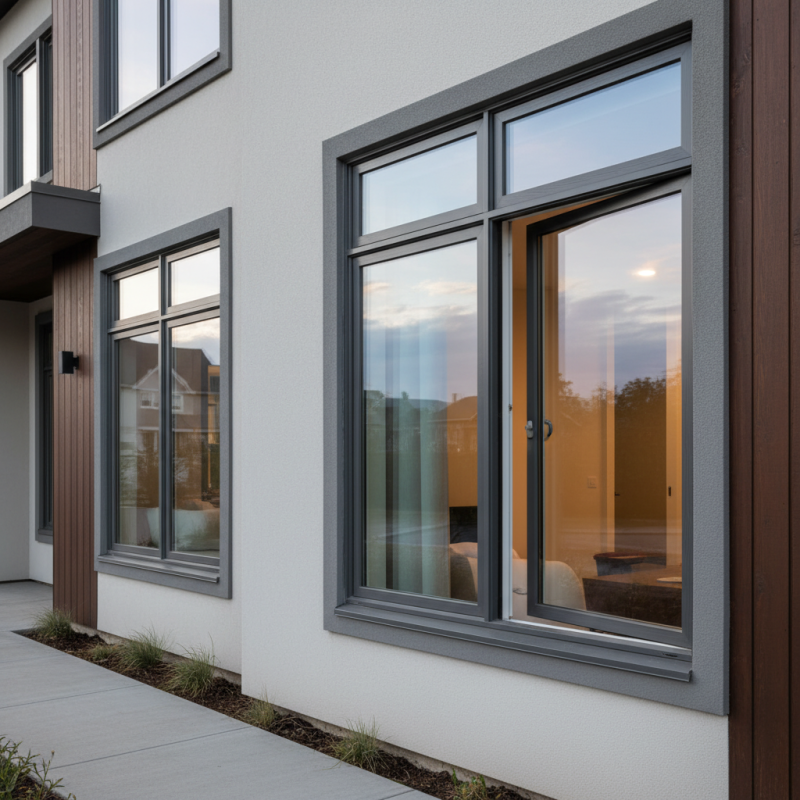
Best Composite Windows for Your Home in 2026: An Overview of Key Features
When considering composite windows for your home in 2026, several key features stand out.
Durability and energy efficiency are at the forefront.
Composite windows combine materials, such as wood and PVC, for enhanced strength. According to industry reports, they can reduce energy costs by up to 30%. This is significant for homeowners seeking sustainable options.
The aesthetics of composite windows also make them appealing. They come in various colors and styles to suit different home designs.
However, some homeowners find decision-making challenging. It’s essential to visualize how different options might look in your space.
Virtual tools or in-person consultations can aid in this process.
Tip: Assess your climate when choosing windows. Regions with severe weather may require more robust options.
Another feature to consider is low maintenance. Many composite windows resist fading and warping.
Yet, some users report issues with sealing over time. This can lead to drafts and reduced efficiency. Regular inspections can help identify any problems early.
Tip: Schedule annual check-ups to ensure longevity.
Simple fixes now can save you significant costs later.
Current Trends in Composite Window Durability and Sustainability for 2026
As we look toward 2026, trends in composite window durability are advancing. Homeowners increasingly seek materials that withstand extreme weather. Composite windows offer a viable solution with their robust construction. They resist warping, cracking, and fading, which can be issues with traditional materials. Many people, however, still overlook proper installation. This critical step impacts longevity and performance.
Sustainability is another key consideration in 2026. The demand for eco-friendly building materials continues to rise. Composite materials often combine recycled content, contributing to a greener footprint. Some designs even incorporate energy-efficient glazing, enhancing insulation. Yet, awareness about these features remains low among many homeowners. Potential buyers must research and understand eco-labels. This helps to make informed choices for their homes.
While the benefits of composite windows are significant, some challenges exist. The initial cost can be a barrier for many. Additionally, understanding maintenance requirements is essential. Some people assume they are maintenance-free, which is not accurate. This misconception could lead to premature deterioration. Keeping informed about trends in materials helps homeowners invest wisely in their future.
Comparative Analysis of Leading Composite Window Brands and Their Ratings
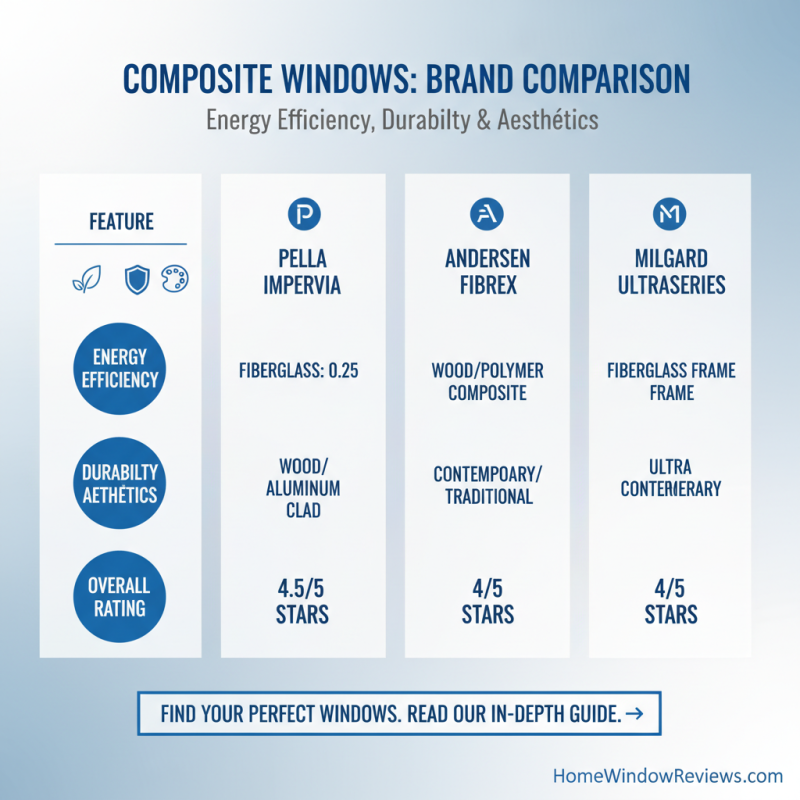
When searching for composite windows, it’s crucial to understand key features of leading brands. Many homeowners want energy efficiency, durability, and aesthetics. Ratings vary widely among brands, influencing choices. It can be helpful to read comprehensive analyses that compare these windows in-depth.
Tip: Look for energy ratings. They indicate how well a window insulates. Better ratings may lead to lower energy bills.
Pricing is another aspect to consider. Not every high-rated window justifies its price. The value lies in performance and lifespan. Cheaper options might not hold up in the long run.
Tip: Consider long-term costs. Sometimes, investing more upfront leads to savings later.
Also, check for warranties. Some brands offer extensive coverage. This can indicate confidence in their product. A solid warranty might reflect better quality.
Tip: Ask about installation. Improperly installed windows can lead to issues. Ensure that your choice includes professional installation.
Energy Efficiency of Composite Windows: Industry Standards and Performance Metrics
Composite windows have gained attention for their energy efficiency. They often comprise a blend of materials, balancing durability with insulation. This combination allows for better thermal performance compared to traditional windows. Many homeowners report lower energy bills after installation. However, not all composite windows meet the same standards.
Energy performance metrics are critical when selecting these windows. Look for windows that have a low U-factor, which indicates reduced heat transfer. The Solar Heat Gain Coefficient (SHGC) matters too. A lower SHGC means less heat enters during warm months. Certifications can serve as a guide but may not capture all nuances.
While composite windows offer many benefits, they can vary widely in quality. Often, it’s challenging to navigate claims versus reality. Some products may degrade faster than expected, leading to frustration. Performance may also differ in various climates. Researching and comparing options is essential before making a decision.
Cost vs. Long-term Value: Investment in Composite Windows for Homeowners
When considering composite windows for your home, cost versus long-term value is a crucial comparison. Data from the U.S. Department of Energy indicates that homeowners can achieve a 30% reduction in energy bills by upgrading to energy-efficient windows. Composite materials provide insulation, which improves energy efficiency significantly. However, initial investment remains higher than traditional options. In some surveys, homeowners reported that they spent, on average, 15-20% more on composite windows, yet the return on investment can justify the expense over time.
Investing in composite windows means weighing short-term pain against long-term gain. Homeowners often notice immediate benefits like improved aesthetics and reduced noise. According to the National Association of Realtors, properties with quality windows can see a 70-80% ROI at resale. Yet, some homeowners hesitate. They wonder if the extra expense truly pays off. Analyzing this question is essential before making a decision.
**Tips:** When shopping, seek out eco-friendly options to enhance sustainability. Consider installation costs, as improper installation can lead to future expenses. Look for warranties that reflect the manufacturer's confidence in their product. The right composite windows can be a worthy investment, fundamentally enhancing your home’s value and comfort.
Best Composite Windows for Your Home in 2026