Discover the Best Custom Private Label Shoes from China
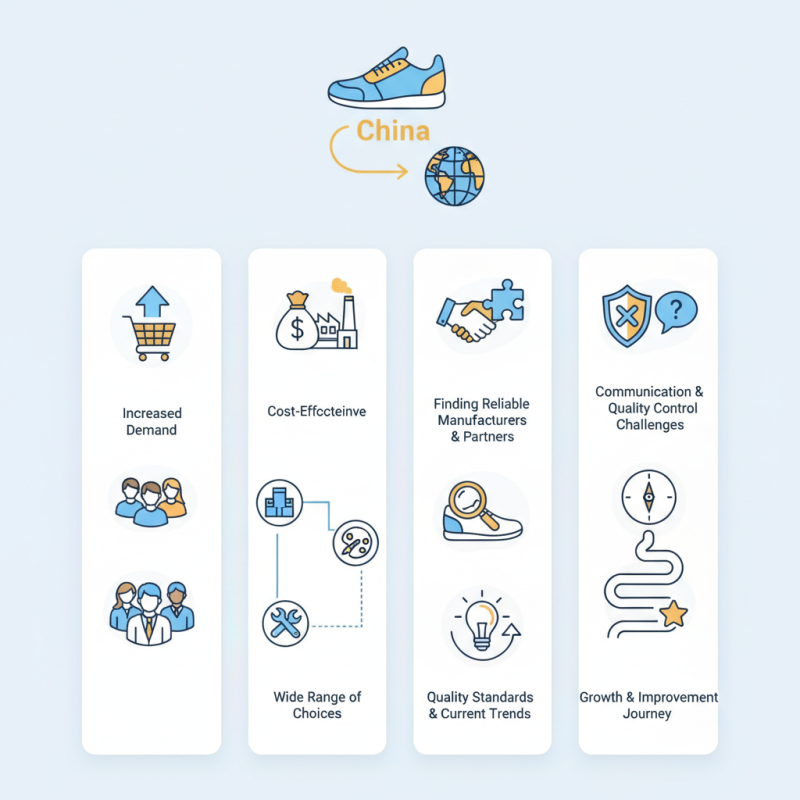
In recent years, the demand for Custom Private Label Shoes has surged among retailers. Businesses are seeking unique footwear options that cater to their specific audiences. Sourcing from China offers numerous advantages, including cost-effectiveness and a wide range of choices.
It's essential to understand the art of creating a successful private label brand. Many companies struggle with finding reliable manufacturers who meet their quality standards. Selecting the right partner is crucial for achieving the desired outcome. Understanding current trends can also influence design and materials used.
When exploring this market, attention to detail is vital. Custom Private Label Shoes can reflect a brand's identity and values. Yet, challenges such as communication barriers and quality control persist. Navigating these issues requires experience and diligence. It’s an ongoing journey, filled with opportunities for growth and improvement.
Understanding Custom Private Label Shoes: An Overview
Custom private label shoes from China have become a popular choice for retailers looking to create unique products. The market for private label footwear is expected to grow significantly. A report estimates that by 2027, the market will reach approximately $60 billion globally.
Understanding custom private label shoes is crucial for businesses. These shoes allow brands to personalize designs, materials, and packaging. This flexibility enables retailers to cater to specific customer preferences. A recent survey indicates that 70% of consumers prefer personalized products. However, navigating the complexities of manufacturing in China can pose challenges. Quality control and communication barriers can lead to unsatisfactory outcomes for brands.
Furthermore, developing a strong relationship with suppliers is vital. Many brands report issues with consistency in production quality. Investing time in finding reliable manufacturers can mitigate these risks. Brands must also be mindful of market trends. Design and material preferences can shift rapidly, requiring agility and adaptability. Recognizing that the landscape is constantly evolving will allow businesses to stay competitive.
Benefits of Sourcing Shoes from China for Private Labeling
Sourcing custom private label shoes from China offers numerous advantages. The country boasts a well-established footwear manufacturing industry with access to skilled labor and advanced technologies. This means that businesses can find high-quality materials and production methods tailored to their specific needs. Moreover, China’s competitive pricing can significantly reduce costs for private label brands.
When searching for a reliable manufacturer, consider visiting trade shows or factories. Direct communication can help build strong relationships. Additionally, request samples to evaluate the quality of the shoes. It's crucial to ensure that the final product aligns with your brand's vision and customer expectations. Quality control should not be overlooked, as inconsistencies can affect your reputation.
Tips: Red flags might include price quotes that seem too good to be true. Take your time to research potential partners thoroughly. Know that logistical challenges can arise; being patient and proactive can make a difference. Establish clear terms and conditions to mitigate misunderstandings later on. Reflecting on past experiences may provide valuable insights into future collaborations.
Key Considerations When Choosing a Manufacturer in China
When choosing a manufacturer for custom private label shoes in China, key considerations are essential. Quality is paramount. Many manufacturers provide poor-quality products that affect brand reputation. According to a recent report by the Footwear Distributors and Retailers of America, nearly 35% of brands faced significant quality issues in their supply chains.
Communication plays a crucial role as well. Misunderstandings can lead to delays and increased costs. Verify the manufacturer's language proficiency and responsiveness. A reliable supplier should prioritize clear communication to ensure smooth collaboration.
Tips: Always request samples before placing larger orders. This helps to assess quality firsthand. Additionally, check for certifications like ISO or BSCI. This reflects a manufacturer’s commitment to quality and ethical practices.
Pricing is important too, but cheap does not always mean better. Analyze the total cost of ownership rather than just the initial price. This includes shipping fees, tariffs, and potential quality control costs. A low upfront price might hide additional expenses down the line.
Evaluate the factory's production capacity as well. Some manufacturers may promise quick turnarounds but lack the means to deliver. A robust production line ensures timely delivery and consistent quality.
Designing Your Unique Style: Customization Options Available
Customization is at the heart of designing unique footwear. Many brands now offer extensive customization options for private label shoes. Reports indicate that 60% of consumers prefer products that allow personal touches. This trend shows how vital it is for customers to express their individuality through fashion.
Selecting colors, materials, and styles can lead to endless possibilities. Some factories in China excel at providing these options, allowing brands to meet diverse market demands. However, navigating the manufacturing process can be daunting. Quality control remains a significant challenge. It’s crucial to partner with factories that maintain high standards.
Investing time in customization can yield rewards. Yet, not every design process runs smoothly. Delays in production may occur, especially in peak seasons. Brands must be prepared to adapt. Making thoughtful choices and staying flexible can help overcome these hurdles. The quest for unique style is often fraught with challenges, but the results can be fulfilling.
Quality Control and Supply Chain Management in Shoe Production
In recent years, the demand for custom private label shoes has surged. As a result, effective quality control and supply chain management have become critical in shoe production. According to the Global Footwear Market Research, the footwear industry is projected to reach $320 billion by the end of 2026. This growth highlights the need for brands to ensure high standards.
Quality control in shoe production involves several steps. Factories often employ standardized testing measures to evaluate materials and finished products. However, inconsistencies can still arise. A 2023 report indicated that up to 15% of produced footwear does not meet quality standards. This statistic underscores the importance of vigilant oversight in production processes.
Supply chain management plays a vital role in securing quality. A well-structured supply chain minimizes risks such as delayed shipments and subpar materials. Yet, challenges persist. For instance, geopolitical tensions can disrupt logistics and impact production timelines. Additionally, improper vendor selection can lead to inconsistencies in material quality. Addressing these issues requires ongoing assessment and refinement of supply chain practices. Developers must remain adaptable in these unpredictable environments to maintain product integrity.