Best Hdpe Cutting Board Material for Global Buyers?
In recent years, the demand for Hdpe Cutting Board Material has surged in the global market. According to research by Smithers Pira, the plastic cutting board market is expected to grow at a CAGR of 4% by 2025. This growth is fueled by the increasing need for durable and hygienic kitchenware worldwide. As consumers prioritize food safety, high-density polyethylene (HDPE) emerges as a leading material choice.
HDPE offers many advantages, including resistance to moisture and bacteria. The NSF International certification highlights its compliance with strict health standards, making it a favorite among chefs and home cooks alike. However, not all HDPE products are created equal. Buyers must navigate varying qualities and grades available in the market. The lack of uniformity can lead to confusion and doubts about product reliability.
While HDPE cutting boards are generally safe, some critics point to environmental concerns. The production process of plastic materials may pose ecological risks. Thus, it’s essential that buyers consider both performance and environmental impact when selecting Hdpe Cutting Board Material. Balancing quality and sustainability is crucial for today’s conscious consumer.
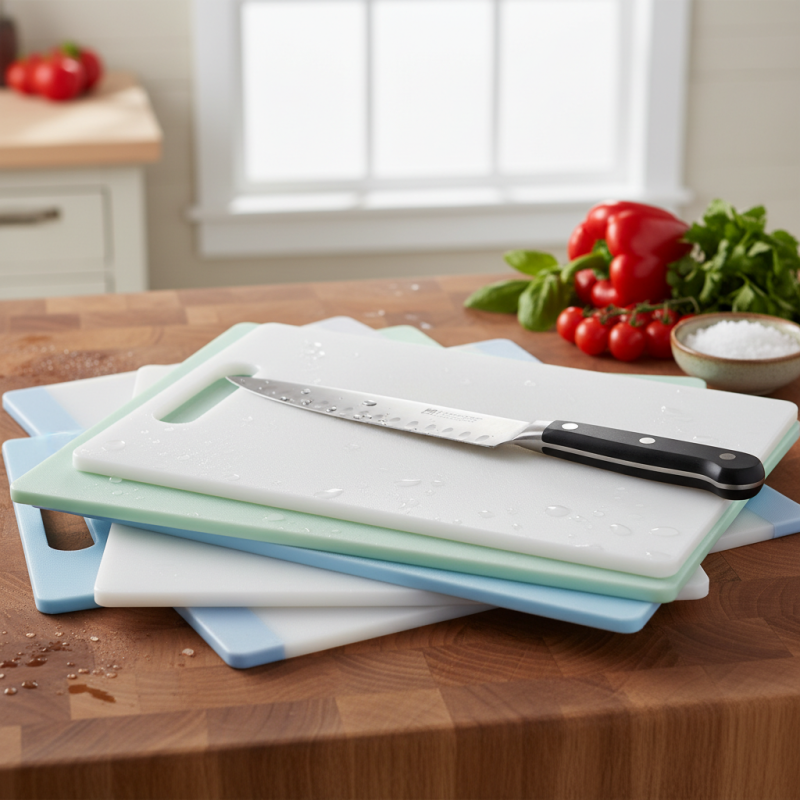
Best HDPE Cutting Board Material: Overview of Properties and Standards
When selecting the best cutting board material, HDPE stands out for its unique properties. High-density polyethylene (HDPE) is durable and resistant to moisture. It does not easily absorb bacteria, making it a safe option for food preparation. The surface of HDPE is often easier to clean than wood. However, users might notice some wear over time, leading to scratches that could trap food particles.
Another significant aspect is the impact on knife edges. While HDPE can prevent dulling, it is not entirely blade-friendly. Some users find that their knives require frequent honing. The standard thickness for HDPE cutting boards ranges from 0.5 to 1 inch. This dimension offers a balance between sturdiness and weight. The color of the board, often bright, can add aesthetics to a kitchen, but might not hide stains as well.
In terms of sustainability, HDPE is recyclable, but not every facility accepts it. Buyers should research local recycling options. User feedback varies; some praise its practicality, while others highlight longevity issues. This inconsistency suggests that individual experience plays a critical role in choosing cutting board materials. A thorough understanding of these properties can help buyers make informed decisions.
Best HDPE Cutting Board Material for Global Buyers
| Property | Description | Standard Value |
| Material Type | High-Density Polyethylene (HDPE) | N/A |
| Density | Lightweight yet durable | 0.93 - 0.97 g/cm³ |
| Chemical Resistance | Excellent resistance to acids, bases, and many solvents | Meets ASTM standards |
| Temperature Resistance | Can withstand regular kitchen temperatures | -40°C to 80°C |
| Moisture Resistance | Impermeable to water and moisture | N/A |
| Surface Texture | Non-porous and easy to clean | N/A |
| Certification | Complies with FDA regulations | FDA Approved |
Comparative Analysis of HDPE and Other Cutting Board Materials
When thinking about cutting board materials, HDPE (High-Density Polyethylene) stands out. It is durable, lightweight, and resistant to bacteria. Unlike wooden boards, HDPE does not absorb moisture, making it less prone to warping and cracking. This material also withstands knife marks better than others, prolonging its life.
Comparing HDPE to bamboo or glass, several factors come into play. Bamboo is more eco-friendly but can be harder on knives. Glass, while easy to clean, can lead to dull knives and is heavier. Each material offers unique pros and cons, which depend on your cooking habits and preferences.
Tips:
To maintain your HDPE board, wash it with mild soap and water. Avoid soaking it for too long. Regularly check for deep scratches; they can harbor bacteria over time. Wood boards might require more frequent oiling to stay in shape, which could be inconvenient for busy kitchens. Remember, every cutting board has its strengths and weaknesses. Reflect on your cooking style to choose the best one for you.
Market Trends: Global Demand for HDPE Cutting Boards in 2023
The global demand for HDPE cutting boards is rising significantly in 2023. More buyers are recognizing their durability and ease of cleaning. HDPE boards are renowned for being non-porous, which helps prevent bacterial growth. This characteristic is crucial in both residential and commercial kitchens. Many chefs prefer HDPE due to its resistance to deep cuts and scratches.
When selecting the right HDPE cutting board material, consider thickness and texture. A thicker board offers better stability during use. Some boards come with textured surfaces, which can enhance grip and prevent slipping. However, be cautious; overly textured boards can harbor bacteria in their grooves.
Tips: Always sanitize your cutting board after each use. Use a mixture of vinegar and water for an effective cleaning solution. If you notice deep cuts or stains, it might be time for a replacement. Regular maintenance extends the life of your board significantly.
Some buyers overlook the importance of color-coding their boards for different food types. This practice can reduce cross-contamination. While HDPE boards come in various colors, it’s essential to reflect on whether you are using them effectively in your kitchen. Being intentional with your choices can lead to safer food preparation.
Environmental Impact: Sustainability of HDPE in the Food Industry
HDPE, or high-density polyethylene, is becoming a popular choice in the food industry. Its durability and resistance to impacts make it an ideal cutting board material. However, it’s essential to consider its environmental impact. While HDPE is recyclable and can be repurposed, the recycling process requires energy and resources, which raises questions about its sustainability.
The production of HDPE involves petrochemicals, which contribute to environmental pollution. Manufacturers must adopt responsible sourcing practices to mitigate this impact. Sustainable practices in HDPE production can help maintain a balance between usability and environmental responsibility. Still, many consumers remain unaware of the life cycle of these cutting boards, from manufacturing to disposal.
Some educational efforts lack clarity. Many consumers assume that because HDPE is recyclable, it is inherently eco-friendly. However, recycling rates vary widely based on local infrastructure. Raising awareness about these nuances is crucial for responsible consumption. Buyers should strive for transparency in the product’s life cycle, ensuring their choices reflect true sustainability values.
Health and Safety: FDA Regulations for HDPE Cutting Board Use
When selecting a cutting board, health and safety are paramount. Many buyers prefer HDPE (High-Density Polyethylene) due to its non-porous surface. This feature helps prevent bacteria growth. The FDA regulates materials for food contact, ensuring they are safe. HDPE meets these requirements, making it a popular choice in kitchens.
However, not all HDPE boards are equal. Some may wear down faster than others. Scratches can trap bacteria, undermining the safety benefits. Regular inspection and replacement are critical. Additionally, users should also be aware of proper cleaning methods. Hot, soapy water can help maintain hygiene, but some may overlook this.
Choosing a cutting board is about balancing safety with usability. While HDPE is often favored, personal experiences can shape preferences. Many chefs find that a well-maintained board enhances their cooking process. It's essential to share both successes and challenges when discussing options in food safety. Decision-making in this area requires careful thought and awareness of personal needs.