Best PVC Cladding Options for Global Buyers in China?
In recent years, the PVC cladding industry has experienced significant growth. As of 2023, the market is projected to reach $20 billion, supported by increasing demand for sustainable and cost-effective building materials. Experts indicate that this trend is influenced by urbanization and the desire for modern aesthetics. According to Dr. Linda Zhou, a leading expert in building materials, "PVC cladding is revolutionizing how we approach facade design."
Manufacturers in China play a critical role in the global supply chain for PVC cladding. With advancements in technology, the quality and design options have vastly improved. Buyers now have access to a diverse range of textures and colors that meet both high-performance and aesthetic standards. However, not all products meet the expectations set by these advancements, leading to inconsistencies in quality.
Navigating the market can be challenging. Ultimately, understanding the differences in product specifications is vital for buyers. This landscape also brings uncertainties and potential pitfalls, which buyers must navigate expertly. To succeed, global buyers need to be well-informed about the evolving PVC cladding options available in China.
Top PVC Cladding Materials Available for International Buyers in China
PVC cladding is gaining traction among international buyers in China. Its durability and versatility are appealing for various construction projects. Different types of PVC cladding materials are available, each serving unique needs. From decorative panels to functional siding, the options are vast.
When selecting PVC cladding, consider the environment. Certain materials perform better in extreme temperatures. Look for cladding that resists fading and warping. This ensures longevity and reduces maintenance costs.
Tip: Always request samples before purchasing. This allows for a real-world assessment of color, texture, and fit.
Eco-friendliness is also an important factor. Some PVC materials are made from recycled content, making them a sustainable choice. However, not all products are equal; do your research.
Tip: Check certifications related to environmental standards when assessing materials. This adds credibility and assurance in your selection.
Key Factors to Consider When Selecting PVC Cladding Products
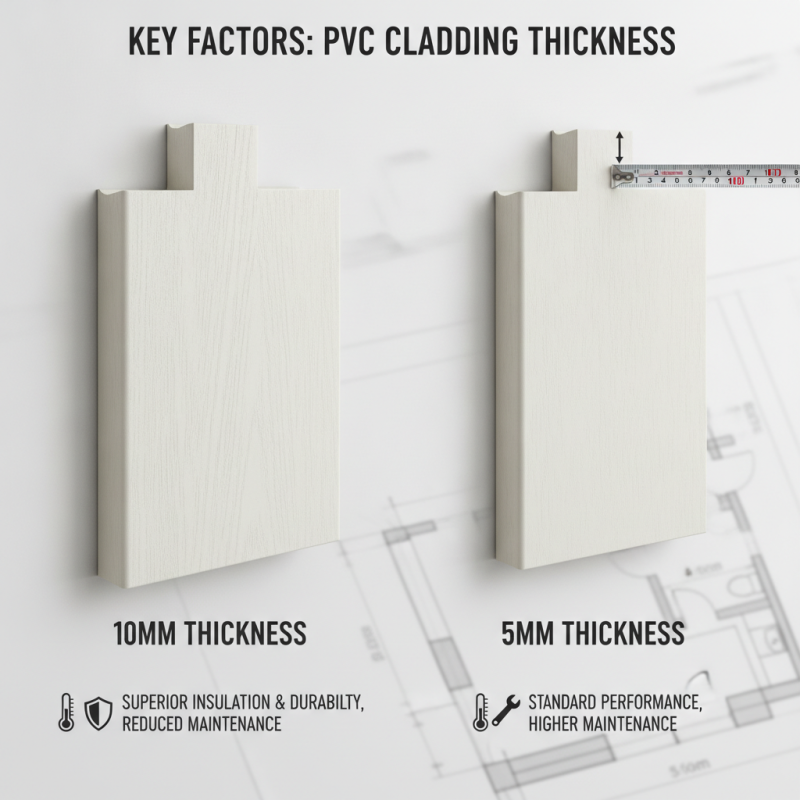
When selecting PVC cladding products, several key factors must be evaluated to ensure overall quality and performance. One primary aspect is the thickness of the cladding. Reports indicate that thicker panels generally offer better insulation and durability. The typical market thickness ranges from 5mm to 10mm. Choosing the right thickness can affect both energy efficiency and long-term maintenance costs.
Another consideration is environmental impact. According to industry research, PVC production can release harmful chemicals. Ensure the products you select have certifications, like ISO 14001, indicating a commitment to environmental sustainability. Awareness of the manufacturing process can lead to safer choices.
Tip: Always request sample materials before making bulk purchases. This helps assess color, texture, and overall finish.
Additionally, it’s crucial to review warranty options. Robust warranty terms usually reflect a manufacturer's confidence in their product's longevity. Some manufacturers provide warranties up to 10 years, which is a good sign of reliability.
Tip: Compare different products and their warranties to find the best value for your investment.
Ultimately, careful evaluation of these factors can lead to informed decisions, ensuring that you select the right PVC cladding for your needs while adhering to quality and environmental standards.
Comparative Analysis of Popular PVC Cladding Brands in China
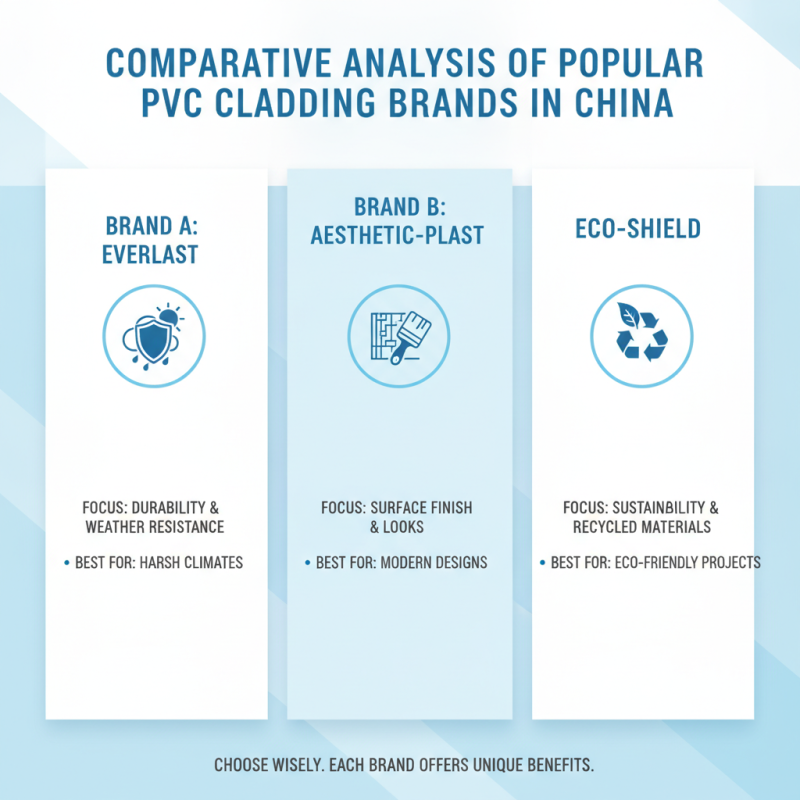
When exploring PVC cladding options in China, it's crucial to consider the variety of brands available. Each brand offers distinct features and benefits, making the decision process more complex. One popular option focuses on durability and weather resistance. This is essential for regions exposed to harsh climates. The surface finish often varies, affecting aesthetics and maintenance levels.
Some brands emphasize eco-friendliness, using recycled materials. This appeals to environmentally conscious buyers. However, there may be trade-offs in terms of durability. Certain products might not withstand extreme temperatures as well. This raises questions about long-term performance and value.
Customer feedback reveals mixed experiences. Some buyers praise the ease of installation, while others report fading colors over time. Maintenance requirements often differ, with some products demanding more attention. Understanding these nuances is vital for making an informed choice. Buyers should weigh each option's pros and cons carefully before investing in PVC cladding.
Sustainability and Environmental Impact of PVC Cladding Options
In the realm of building materials, PVC cladding stands out for its aesthetic appeal and durability. However, its environmental impact cannot be overlooked. A recent report by the European Commission indicated that up to 80% of PVC is sent to landfills after use, raising concerns about sustainability. This can create substantial waste challenges.
The production of PVC involves significant energy consumption, contributing to greenhouse gas emissions. According to the Plastics Europe report, the lifecycle emissions of PVC are notably higher than other materials like wood or fiber-cement. This issue urges buyers to consider the complete lifecycle of the products they choose.
Innovation in the PVC industry shows promise. Recycled PVC, also known as rPVC, boasts a reduced carbon footprint. Using post-consumer recycled materials contributes to less landfill waste. However, the availability of high-quality rPVC remains inconsistent. Buyers should scrutinize the sources and recycling processes. The environmental efficacy of PVC cladding options often requires careful evaluation and reflection.
Best PVC Cladding Options for Global Buyers in China? - Sustainability and Environmental Impact of PVC Cladding Options
| Option |
Sustainability Rating |
Environmental Impact (CO2 Emission) |
Durability (Years) |
Recyclability (%) |
| Standard PVC |
3/5 |
2.0 kg CO2/m² |
20 |
60 |
| Recycled PVC |
4/5 |
1.2 kg CO2/m² |
25 |
90 |
| Foam PVC |
3.5/5 |
1.8 kg CO2/m² |
15 |
70 |
| Composite PVC |
4.5/5 |
0.8 kg CO2/m² |
30 |
85 |
Understanding PVC Cladding Installation and Maintenance Processes
PVC cladding is becoming a popular choice for various applications. Understanding its installation and maintenance processes is crucial for effective use. For instance, an industry report indicates that improper installation can lead to material warping and premature aging.
When installing PVC cladding, surface preparation is vital. Ensure the substrate is clean and dry. This step reduces potential issues later on. Many underestimate the importance of this phase. Skipping proper cleaning can increase moisture retention, promoting mold growth. Additionally, using the correct adhesives enhances bonding and durability.
Maintenance of PVC cladding is relatively straightforward. Regular cleaning with a mild detergent can maintain its appearance. However, avoid harsh chemicals that may damage the surface. An intriguing statistic shows that units with regular maintenance can last up to 25 years. Yet, failure to inspect seams and joints may lead to water infiltration. Regular checks can prevent costly repairs down the line.
Tips: Always check for UV resistance when choosing materials. This feature can significantly extend the life of your cladding. Use appropriate safety gear during installation to protect against sharp tools and chemicals. Inspect cladding seasonally for wear and tear, as proactive measures can avoid bigger issues.