2026 Best Velvet And Chenille Fabric Options For Global Buyers?
In the evolving world of textile design, the importance of high-quality materials cannot be overstated. Velvet And Chenille Fabric, known for their luxurious feel and stunning appearance, are becoming essential choices for global buyers. Dr. Emily Harper, a leading expert in textile science, states, "The right fabric can transform a space, elevating both aesthetics and comfort." This quote highlights the essence of selecting the best materials for various applications.
Velvet and chenille fabric offer unique characteristics that appeal to a wide audience. Velvet is renowned for its softness and depth of color, while chenille boasts a plush texture that adds warmth to any environment. These fabrics have seen a resurgence in popularity, especially in furniture and interior décor. Buyers are increasingly seeking options that not only look good but also stand the test of time.
However, choosing between velvet and chenille fabric can be daunting. Factors such as durability, maintenance, and intended use play critical roles in decision-making. Global buyers need to reflect on these elements, as the perfect choice can significantly impact their projects. While the allure of these fabrics is undeniable, understanding their intricacies is essential for making informed selections.
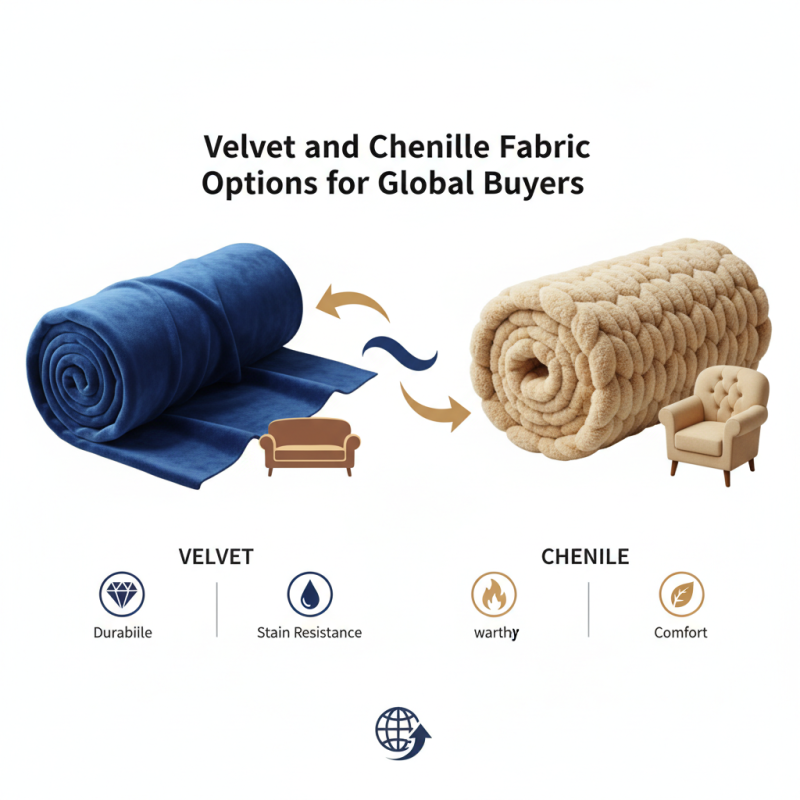
2026 Velvet and Chenille Fabric Trends: Key Market Insights and Predictions
Velvet and chenille fabrics are set to dominate the market in 2026. These materials offer luxurious textures that appeal to a wide range of consumers. The trends we see today highlight a shift toward sustainability. Eco-friendly production methods are gaining momentum, and buyers are increasingly seeking options that reflect this value. Bright colors are emerging, aiming to energize interiors.
Tips: When selecting fabrics, consider their durability. Velvet and chenille require proper care to maintain their beauty. Look for fabric blends that enhance longevity.
In terms of design, there’s a notable preference for intricate patterns. Textured fabrics can elevate simple furniture to statement pieces. However, it’s crucial to balance texture with function. Overly complex designs may clash with minimalist aesthetics.
As global markets evolve, buyers must stay informed. Analyze local preferences and emerging trends in fabric sourcing. This awareness promotes thoughtful purchases that resonate with specific audiences. Embrace the imperfections in every fabric; they contribute to the uniqueness of pieces.
Comparative Analysis of Velvet vs. Chenille: Durability and Maintenance Factors
When considering velvet and chenille fabrics, durability and maintenance are crucial aspects. Velvet, known for its luxurious look, often faces challenges with wear and tear. According to the Textile Research Journal, velvet can show signs of crushing or fading with frequent use. A typical lifespan for high-quality velvet is around five years, assuming proper care.
On the other hand, chenille offers a unique blend of softness and resilience. A report from the Fabric Care Institute suggests that chenille tends to resist pilling and retains its color over time. Its durability can extend beyond ten years with regular maintenance. However, chenille requires careful washing and shedding can occur.
Both fabrics demand attention but present different challenges. Velvet needs frequent brushing to maintain its appearance, while chenille benefits from gentle cleaning methods. Understanding these differences can aid in making informed decisions about usage and longevity.
Sustainability in Velvet and Chenille Fabrics: Eco-Friendly Choices for Buyers
Sustainability in fashion is crucial in today's world. Velvet and chenille fabrics offer stylish options, but eco-friendly choices are essential. Many buyers seek materials that reduce environmental impact. Organic fibers, low-impact dyes, and eco-conscious production processes lead the way.
Choosing sustainable velvet and chenille can seem daunting. Here are some tips to guide your selection: Look for certifications like GOTS or OEKO-TEX, which confirm eco-friendly practices. Explore fabrics made from recycled materials; they help reduce waste significantly. Be mindful of the production sources, opting for manufacturers prioritizing sustainability.
When shopping, remember that not all soft fabrics are created equal. Some may claim sustainability but lack transparency. Do your research; unreliable claims can mislead buyers. Small changes in your choices can lead to a more sustainable future. Reflect on your purchasing habits and strive for genuine eco-friendly options. Your choices can make a difference.
2026 Best Velvet And Chenille Fabric Options For Global Buyers
| Fabric Type | Composition | Weight (gm/m²) | Sustainability Rating | Price Range (per meter) |
| Velvet | 100% Organic Cotton | 250 | A+ | $15 - $25 |
| Chenille | 50% Recycled Polyester, 50% Cotton | 300 | A | $12 - $20 |
| Velvet | Blended Fibers (Silk & Polyester) | 220 | B+ | $18 - $30 |
| Chenille | 100% Organic Linen | 280 | A+ | $22 - $35 |
| Velvet | 100% Recycled Polyester | 180 | A | $14 - $24 |
Global Sourcing Strategies for High-Quality Velvet and Chenille Fabrics
In the competitive world of textile sourcing, high-quality velvet and chenille fabrics remain popular choices for global buyers. A 2021 report by Grand View Research indicates that the global upholstery fabric market is expected to reach $30.2 billion by 2025. Velvet and chenille hold significant market shares due to their luxurious textures and durability. Crafting a successful sourcing strategy requires understanding regional supplier capabilities and manufacturing standards.
Buyers should focus on key production areas like Asia and Europe, which lead in textile innovation. Evaluating suppliers on sustainability and material quality is vital. An unsupported supplier can compromise product integrity. A recent survey by Statista revealed that 62% of businesses consider ethical sourcing as a priority. This reflects an increasing demand for integrity in the supply chain.
Moreover, market fluctuations affect fabric availability and pricing. An evolving eco-conscious consumer base also drives this change. Buyers may find it challenging to keep inventory levels consistent. Regularly reviewing supplier relationships can mitigate these risks. Transparency in sourcing must be part of any overarching strategy. Aim for partnerships that align with your long-term goals.
Consumer Preferences in the Velvet and Chenille Market: Data-Driven Insights
The velvet and chenille fabric market has shown interesting trends recently. Consumers are increasingly drawn to tactile experiences. They prefer soft, luxurious textures that evoke comfort. In studies, respondents indicated a strong preference for fabric durability. This is crucial for upholstery and home décor. The choice of colors is also changing; muted tones and earth shades are gaining popularity.
While some buyers favor bold designs, others prioritize sustainability. They seek eco-friendly options and brands with transparent practices. Data shows a divide in consumer choices, reflecting diverse values and tastes. Preferences often depend on regional factors, with some areas gravitating towards vintage aesthetics.
However, the market faces challenges. Not all manufacturers meet the rising demand for sustainable practices. Quality inconsistencies can frustrate buyers. Many consumers report dissatisfaction with fabric performance over time. There’s a fine balance between style and functionality. Producers need to reflect on these issues to cater to evolving consumer needs.