What is Building Cladding Panels and Why Are They Essential for Construction
Building cladding panels play a vital role in modern construction, serving as both a protective barrier and a defining aesthetic element of buildings. As urban landscapes become increasingly complex, the demand for innovative and efficient building materials grows. According to a report by the Global Market Insights, the building cladding market is projected to surpass $400 billion by 2027, driven by rising construction activities in emerging economies and a growing focus on sustainability. This exponential growth highlights the essential nature of building cladding panels in ensuring not only the structural integrity of edifices but also their energy efficiency.
Moreover, with the building and construction sector accounting for approximately 36% of global energy use, the right choice of cladding is crucial in reducing greenhouse gas emissions. Incorporating thermally efficient building cladding panels can significantly enhance a structure's thermal performance, potentially reducing energy costs by 20-30% over time. As architects and builders increasingly prioritize both durability and environmental impact, building cladding panels emerge as a critical component that influences a building's overall performance, longevity, and aesthetic appeal. This introduction sets the stage for a deeper exploration of the types, benefits, and installation considerations of building cladding panels in the construction industry.
Definition and Functionality of Building Cladding Panels
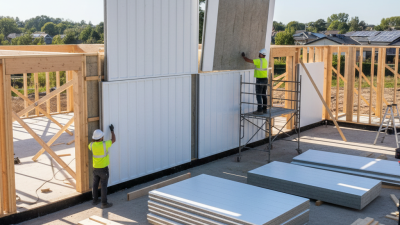
Building cladding panels are essential architectural components that serve as the outer layer of a building's façade. Defined as a non-structural covering, cladding panels provide several key functions, including protecting the building's structure from environmental elements, enhancing thermal insulation, and contributing to aesthetic values. According to the 2022 Global Cladding Market Research Report, the global building cladding market is projected to reach USD 300 billion by 2027, reflecting an increasing demand driven by both commercial and residential construction activities.
Functionally, cladding panels act as a barrier against moisture, wind, and temperature fluctuations, helping to improve energy efficiency in buildings. The incorporation of advanced materials such as fiber cement, metal, and high-pressure laminate has shown to significantly enhance the durability and performance of cladding systems. A study by the International Energy Agency notes that proper cladding solutions can reduce energy consumption in buildings by up to 60%, a critical factor in today's sustainable construction trends. Furthermore, since cladding can be designed in various styles, colors, and textures, it allows architects to create distinctive aesthetics tailored to the specific context of each project. This versatility not only elevates the visual impact of buildings but also adds to their market value, proving that cladding panels are indispensable in modern construction.
Types of Building Cladding Materials and Their Properties
Building cladding panels are crucial components in modern construction, providing both aesthetic appeal and functional performance. The primary types of cladding materials include metal, wood, vinyl, and brick, each varying significantly in their properties and applications.
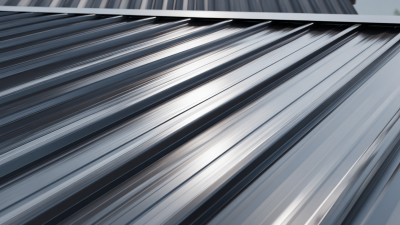
For instance, metal cladding, often made from aluminum or steel, is renowned for its durability and resistance to weather conditions. A report from the Global Cladding Market indicates that metal cladding is projected to grow at a CAGR of 6.8% from 2021 to 2026, primarily due to its energy efficiency and low maintenance requirements.
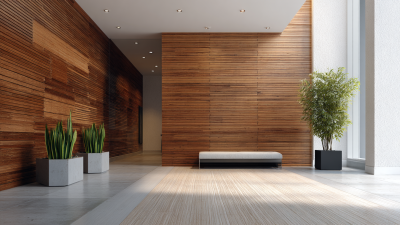
Wood cladding, on the other hand, offers a classic look with excellent insulation properties, making it a popular choice for residential buildings. According to the Wood Products Council, proper treatment and maintenance can enhance the lifespan of wood cladding to over 30 years, balancing aesthetics with sustainability.
Vinyl cladding, which is lightweight and easy to install, is favored for its cost-effectiveness and variety of styles. It accounts for approximately 30% of the market share in low-rise construction, as noted by the Poly Vinyl Chloride Cladding Association. Each cladding material presents unique advantages and challenges, influencing both the design and functionality of buildings in the construction landscape.
Importance of Building Cladding for Energy Efficiency and Insulation
Building cladding panels play a crucial role in modern construction, especially when it comes to energy efficiency and insulation. The primary function of cladding is to provide a protective layer over the building's structure, which enhances not only aesthetics but also the energy performance of the building. Effective cladding systems act as barriers against moisture, wind, and temperature fluctuations, which can significantly impact energy consumption. By reducing the reliance on heating and cooling systems, well-designed cladding contributes to improved energy efficiency and lower utility bills.
One important tip for optimizing energy efficiency through building cladding is to choose materials with high thermal resistance. Insulated panels or materials with good R-values can dramatically improve a building's insulation properties. Additionally, consider incorporating reflective surfaces or light-colored finishes that can help reduce heat absorption, especially in warmer climates. This can further minimize the need for air conditioning and maintaining comfortable indoor temperatures year-round.
Another essential aspect is ensuring proper installation of the cladding system. A well-sealed cladding not only enhances aesthetic appeal but also fortifies the building envelope against air and water infiltration, contributing to overall energy savings. Regular inspections and maintenance of the cladding materials can help identify potential issues early on, ensuring long-term efficiency and durability of the structure.
What is Building Cladding Panels and Why Are They Essential for Construction
| Cladding Type |
Material |
Thermal Insulation (R-Value) |
Durability (Years) |
Energy Efficiency Benefit |
| Vinyl Siding |
PVC |
R-2 to R-5 |
20-40 |
Low maintenance, good insulation |
| Metal Cladding |
Aluminum, Steel |
R-2 to R-3 |
40+ |
Reflects heat, reducing cooling costs |
| Wood Siding |
Natural wood |
R-3 to R-4 |
20-30 |
Good insulation, aesthetic appeal |
| Fiber Cement |
Cement, cellulose fibers |
R-2 to R-3 |
50+ |
Fire resistant, durable insulation |
| Brick |
Clay |
R-1 to R-2 |
100+ |
Excellent thermal mass for energy efficiency |
Role of Building Cladding in Aesthetic Appeal and Architectural Design
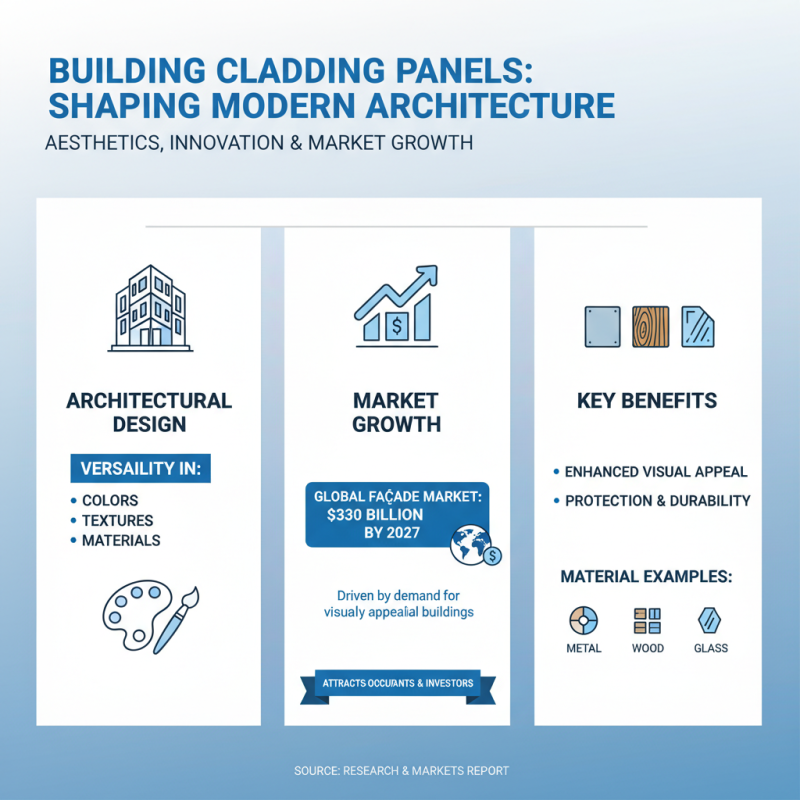
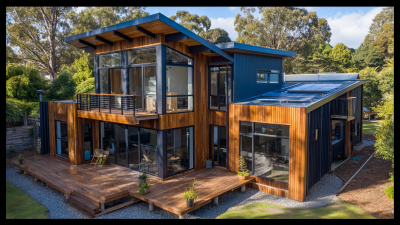
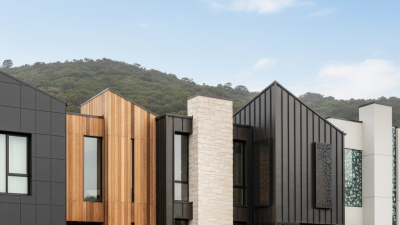
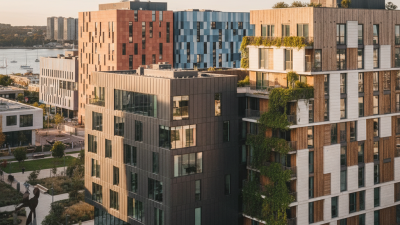
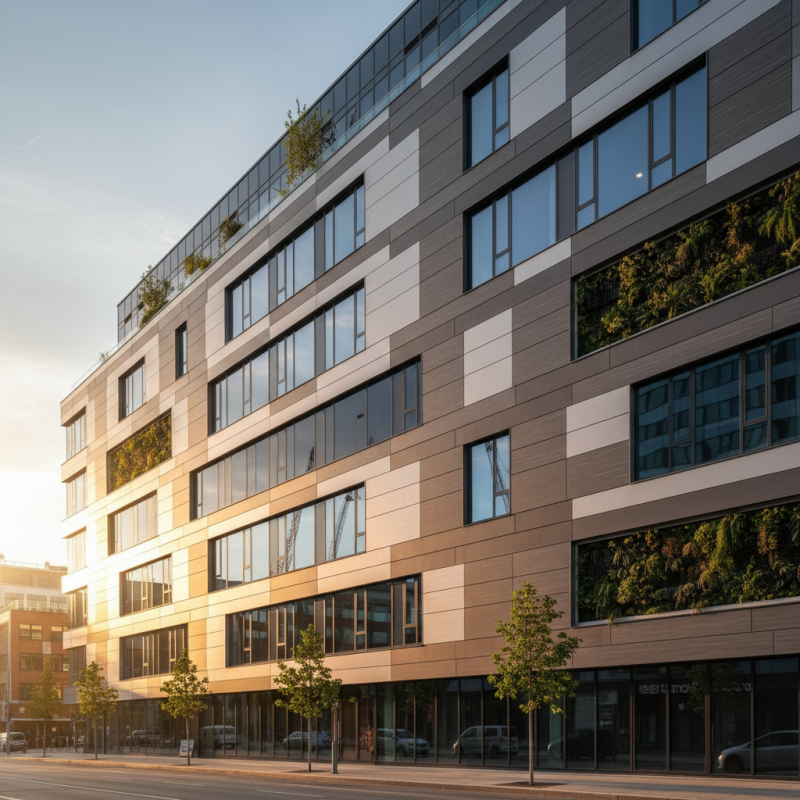
Building cladding panels play a pivotal role in enhancing the aesthetic appeal and architectural design of structures. According to a report by Research and Markets, the global façade market is projected to reach USD 330 billion by 2027, driven significantly by the rising demand for visually appealing buildings. Cladding offers architects a versatile medium to explore colors, textures, and materials, allowing for innovative designs that cater to both functionality and visual impact. For instance, materials such as metal, wood, and glass not only protect the building but also create a distinctive look that can attract potential occupants and investors.
Incorporating cladding into architectural design not only beautifies a project but also contributes to sustainability goals. The World Green Building Council indicates that buildings account for about 39% of global carbon emissions, highlighting the importance of energy-efficient designs. Cladding systems, particularly those with insulation properties, can significantly reduce energy consumption, thus serving dual purposes: enhancing the building's exterior while also promoting energy efficiency. As urban environments become increasingly competitive, the role of building cladding in establishing a striking visual identity will remain essential, influencing not just aesthetics but also the overall market value of a property.
Market Trends and Future Innovations in Building Cladding Panels
The building cladding panels market has undergone significant transformations in recent years, driven by evolving architectural trends and sustainability goals. According to a report by Grand View Research, the global building cladding market size was valued at approximately USD 248 billion in 2021 and is projected to expand at a compound annual growth rate (CAGR) of around 5.7% from 2022 to 2030. This growth can be attributed to an increasing demand for energy-efficient structures and the incorporation of innovative materials that enhance the overall aesthetic and performance of buildings.
Future innovations in building cladding panels are expected to focus on sustainable materials and smart technologies. For instance, the rise of bio-based materials and recycled composites is redefining cladding options, allowing for lower carbon footprints without compromising durability. Additionally, the integration of photovoltaic systems within cladding structures is gaining traction, enabling buildings to generate renewable energy while maintaining pleasing architectural designs. According to the U.S. Department of Energy, the adoption of such smart cladding systems could lead to reduced energy consumption by up to 30% in urban environments, underscoring their essential role in modern construction. The convergence of functionality and innovation highlights the significance of building cladding panels as not only protective but also transformative elements in future architecture.