Why Are Building Cladding Panels Essential for Modern Construction?
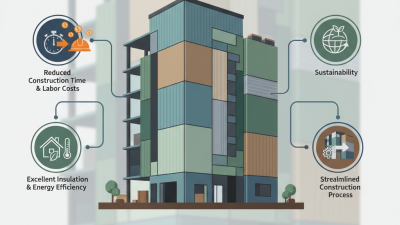
Building cladding panels play a critical role in modern construction. They enhance aesthetics and improve energy efficiency. According to a 2022 report by Grand View Research, the global cladding market is expected to reach $301.8 billion by 2028. This growth highlights the increasing importance of building cladding panels in architectural design.
Expert architect Dr. Emily Chen emphasizes the necessity of these panels, stating, "Properly designed cladding systems can significantly reduce energy consumption and maintenance costs." This insight reinforces the vital role of building cladding panels in sustainable construction. Many buildings now prioritize these materials for their durability and weather resistance.
However, not all cladding materials perform equally. Issues such as fire safety and environmental impact need careful consideration. As we advance, the industry must address these concerns, ensuring that building cladding panels meet both safety standards and aesthetic desires. The future of construction relies heavily on bridging beauty with functionality.
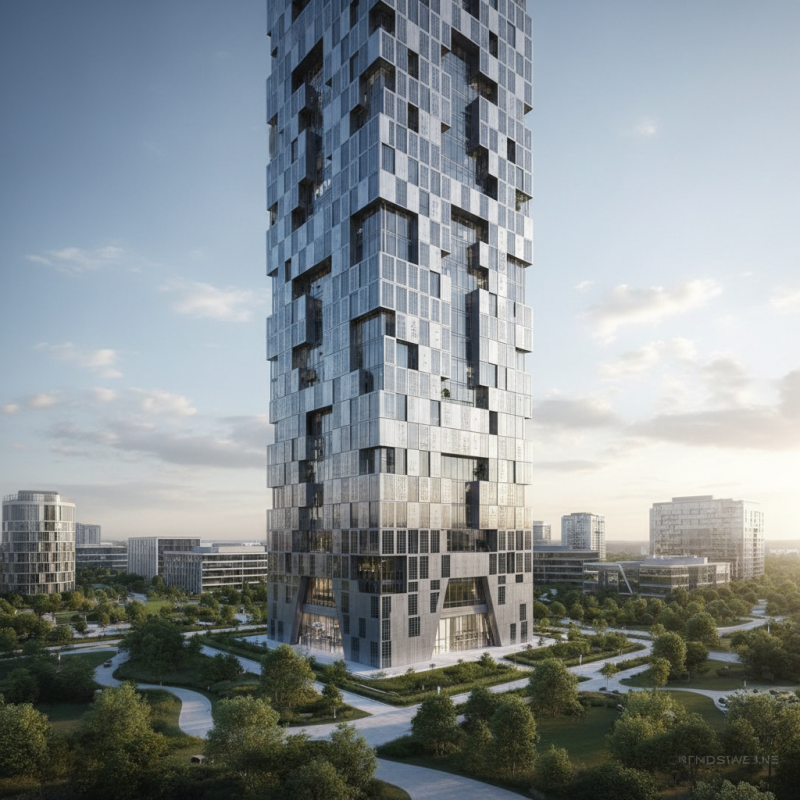
The Role of Cladding Panels in Modern Building Design
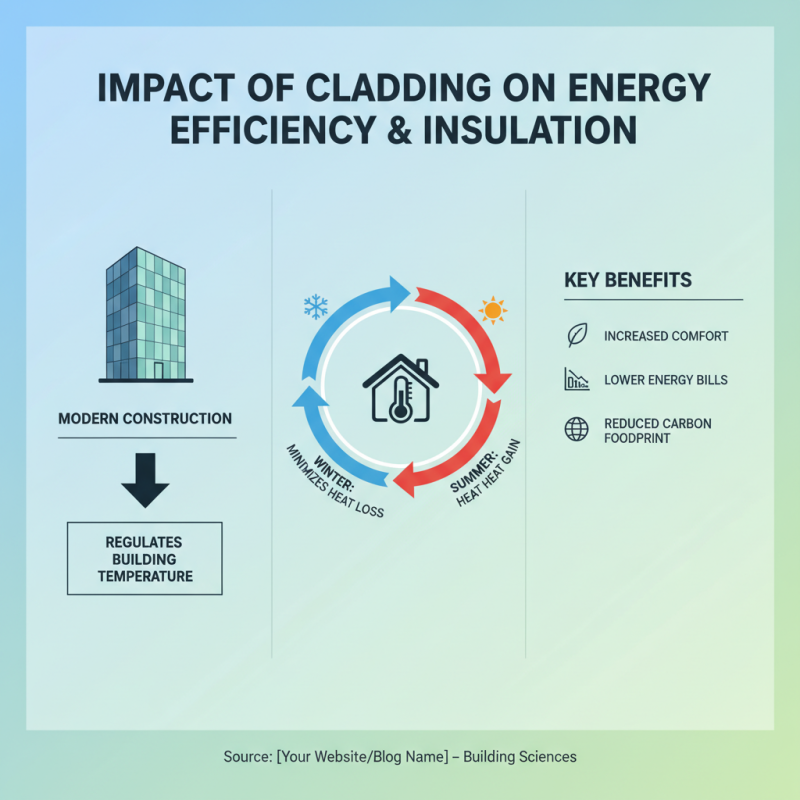
Cladding panels play a vital role in modern building design. They are not just about aesthetics; they also offer insulation and weather protection. This dual function helps buildings reduce energy consumption. With various materials available, architects can creatively express their vision.
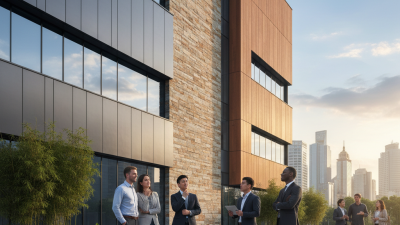
The right cladding can transform a building’s appearance. It can create a sleek look with metal, or a warm feel with wood. However, choosing the incorrect material can lead to issues. For instance, some materials may not perform well against weather conditions. That creates a need for careful consideration.
Beyond the visual impact, cladding enhances durability. It acts as a protective layer, shielding the structure from moisture and pollution. Yet, maintenance can become a challenge over time. Proper upkeep is essential to maintain performance and appearance. This reality prompts designers to think critically about their choices. The discussion around cladding is far from black and white; it's a complex balance of form and function.
Types of Building Cladding Materials and Their Advantages
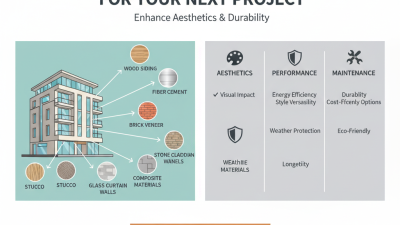
Building cladding materials play a crucial role in modern construction. They protect structures from environmental elements. The choice of cladding materials can significantly impact energy efficiency and aesthetic appeal. Various materials offer unique advantages.
Metal cladding is popular for its durability. It is resistant to fire and insects. According to a recent industry report, metal cladding can improve a building's energy efficiency by up to 30%. This efficiency helps to lower operational costs over time. On the other hand, vinyl cladding provides a cost-effective solution. It is lightweight and easy to maintain. However, it may lack the longevity of metal cladding and can be vulnerable to extreme weather.
Wood and composite materials offer a natural aesthetic. They can enhance curb appeal but require more upkeep. Research indicates that buildings using wood cladding can have a reduced carbon footprint. Despite its benefits, wood is susceptible to rot and insect damage. It's essential for architects and builders to weigh these factors carefully. Balancing aesthetics, performance, and sustainability is vital for effective design decisions.
Safety Considerations: Fire Resistance and Structural Integrity
Building cladding panels play a critical role in modern construction, particularly regarding safety. Fire resistance is paramount. According to a report by the National Fire Protection Association, approximately 38% of all building fires start in exterior walls. Therefore, using fire-resistant materials for cladding is essential. Properly designed panels can contain fires, preventing them from spreading quickly.
Structural integrity is another key aspect of cladding panels. They must withstand various environmental factors, such as high winds and heavy rain. The International Building Code specifies performance standards that cladding materials should meet. Failure to comply with these standards can lead to serious structural failures. A startling example includes the Grenfell Tower fire, where flammable cladding contributed to widespread devastation.
While there are advances in materials, challenges remain. Many building projects may overlook the importance of testing cladding systems thoroughly. In some cases, issues don’t emerge until after installation. This reality raises concerns about current quality assurance practices. A critical focus on ongoing research and adherence to stringent safety regulations is essential for future developments.
Aesthetic Contributions of Cladding to Urban Architecture
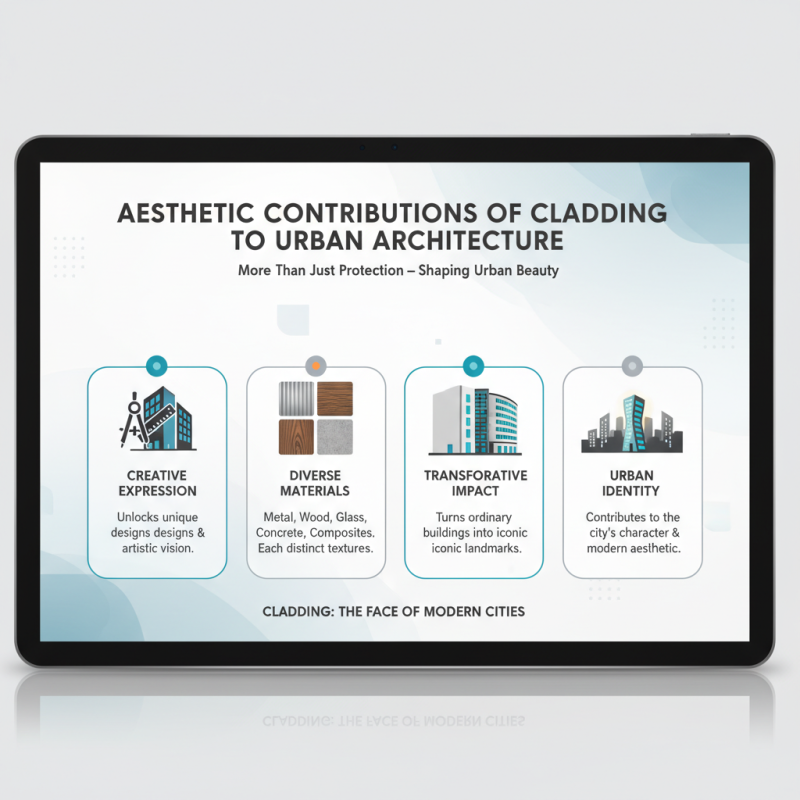
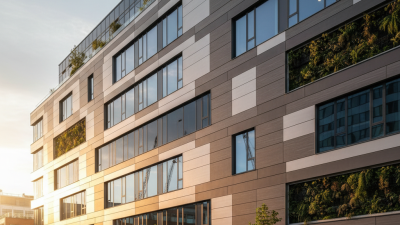
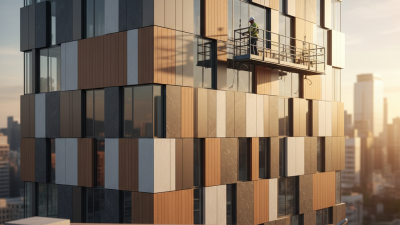
Building cladding panels play a crucial role in today's urban architecture. They are more than just protective surfaces; they significantly contribute to the aesthetic appeal of structures. Cladding allows architects to express creativity and showcase unique designs. The diverse materials available range from metal to wood, each offering distinct textures. This variety can transform ordinary buildings into stunning landmarks.
Cities are often characterized by their skyline. Cladding enables architects to experiment with colors and patterns. A bright, reflective surface can make a building stand out on a cloudy day. Sometimes, choices can seem overwhelming. However, the right cladding can enhance a structure's identity. It can evoke emotions and inspire those who see it.
Yet, the impact of cladding isn't always positive. Some designs might clash with their surroundings. This discord can detract from a cohesive urban landscape. Architects often face the challenge of balancing innovation with context. They must consider not only aesthetic appeal but also harmony with nearby structures. Such reflections help create better designs for future projects.