China Best Aluminum Foil Bakery Pans for Global Buyers?
Aluminum Foil Bakery Pans have become essential in the global baking industry. A recent report by Market Research Future highlighted that the aluminum foil packaging market is projected to reach USD 37.8 billion by 2026, reflecting an increased demand for versatile baking solutions. This growth trend suggests a rising appreciation for aluminum foil baking products worldwide.
Expert in packaging technologies, Dr. Emily Chen, stated, "The quality and durability of Aluminum Foil Bakery Pans offer unparalleled advantages in food safety and convenience." Such insights emphasize the importance of selecting the right materials for baking. Unlike traditional materials, aluminum foil pans are lightweight, heat-conductive, and resistant to moisture. They enable even cooking while significantly reducing cleanup time.
Despite their benefits, buyers should critically assess product quality and supplier reliability. Not all aluminum foil pans are created equal. Some may lack the necessary thickness or coating, affecting their performance. In a market flooded with options, it’s vital for consumers to seek trusted manufacturers who adhere to strict quality standards. Choosing wisely will ensure optimal baking results and enhance overall culinary experiences.
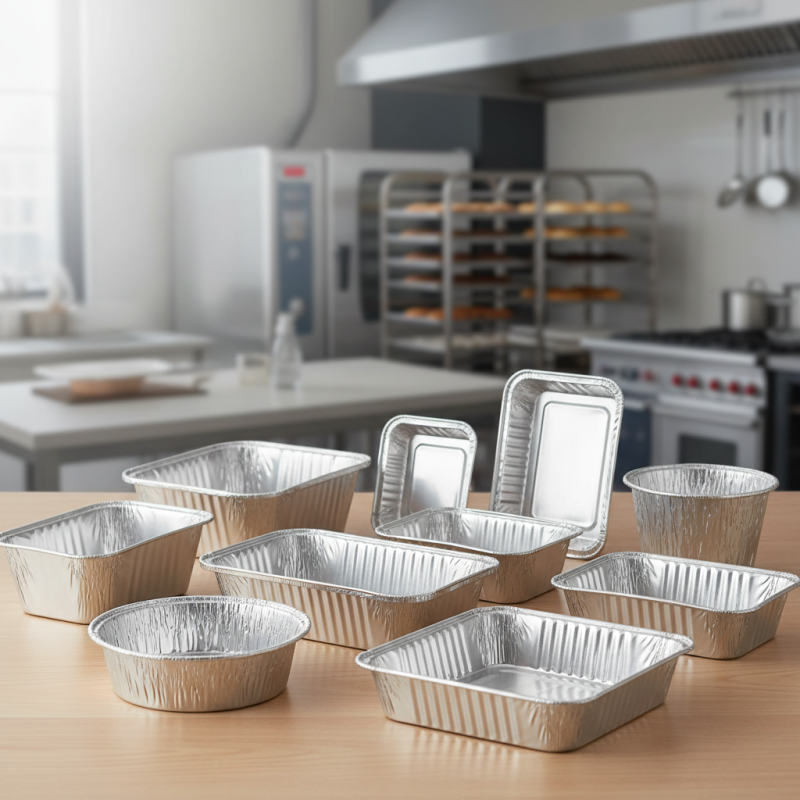
Overview of Aluminum Foil Bakery Pans in China
China has become a significant player in the aluminum foil bakery pan market. In recent years, the country has seen a surge in both production and demand. According to industry reports, China's aluminum foil production reached approximately 2.5 million tons in 2022. This growth is driven by rising consumption in the food service and retail sectors. Many bakeries now favor aluminum foil pans for their lightweight and disposable qualities.
Aluminum foil pans have clear advantages. They conduct heat evenly, ensuring that baked goods cook uniformly. Additionally, their resistance to corrosion makes them suitable for various types of food. Data shows that the global aluminum foil market is projected to grow steadily, emphasizing the need for efficient manufacturers in China. However, the market also faces challenges. Quality control remains an issue, with variations in foil thickness and strength. This discrepancy has led to some negative consumer experiences.
Despite these concerns, the future looks promising. Innovations in production technology may enhance quality and efficiency. Sustainable practices in recycling and material sourcing can also improve the market's reputation. Chinese manufacturers must focus on these areas to stay competitive. By addressing these challenges, they can better serve global buyers seeking reliable aluminum foil bakery pans.
Key Features of High-Quality Aluminum Foil Bakery Pans
When exploring high-quality aluminum foil bakery pans, several key features stand out. Durability is essential. A reliable pan withstands high temperatures and heavy dough. Look for thick gauge aluminum. This thickness helps the pan retain its shape during use. Lightweight pans are convenient, but they shouldn't compromise durability.
Heat conduction is another crucial aspect. Good aluminum foil pans distribute heat evenly, ensuring baked goods cook uniformly. Proper size is equally important. Pans come in various dimensions, accommodating different recipes. It’s wise to select the right size for your baking needs. A pan that's too small may overflow, while one that's too large can lead to uneven baking.
While aluminum foil pans are practical, they are sometimes overlooked. Some bakers may find them less appealing compared to traditional materials. However, aluminum foil offers excellent versatility and convenience. These pans can be easily discarded after use, reducing cleanup effort. This ease is essential for busy bakers. Making informed choices on these features enhances baking quality and satisfaction.
Comparative Analysis of Chinese and Global Bakery Pans
When exploring the bakery pan market, a comparative analysis reveals notable differences between Chinese and global products. Chinese aluminum foil bakery pans are lightweight and disposable. They are often inexpensive, making them an attractive option for bulk baking. However, questions arise about their durability and heat distribution. Some users report uneven baking results. This inconsistency can be a significant drawback for professional bakers.
In contrast, global brands often emphasize quality and performance. Many are designed for repeated use and feature thicker materials. This can lead to better heat retention, which ensures even cooking. However, these pans typically come at a higher price point. Analyzing product reviews highlights this trade-off. Cheaper options may not always hold up over time, while pricier pans might offer longevity and reliability.
Ultimately, the choice between Chinese and global bakery pans depends on specific needs. For large events or casual baking, Chinese pans might suffice. Professionals or dedicated bakers may find more value in investing in durable global brands. This decision reflects the balance between cost-effectiveness and quality performance in baking tools.
Popular Manufacturers of Aluminum Foil Bakery Pans in China
China is becoming a hub for aluminum foil bakery pans, attracting global buyers. The market is rich with manufacturers that specialize in providing high-quality baking solutions. These companies focus on innovative designs, ensuring durability and efficiency. They use advanced techniques to produce pans that resist warping and distribute heat evenly.
In China, various manufacturers emphasize eco-friendly materials. Many are adopting sustainable practices in their production. Buyers appreciate these efforts, as they align with global trends towards sustainability. However, not all manufacturers meet these standards. Some may compromise quality for cost.
Buyers should research the reliability of manufacturers. Look for those with positive reviews and certifications. They often reflect genuine commitment to quality. Engaging with manufacturers directly is key. Ask about their production processes and material sources. This direct approach helps buyers make informed choices. With diligence, it's possible to find reliable partners in China’s aluminum foil pan industry.
Factors to Consider When Sourcing Bakery Pans from China
When sourcing aluminum foil bakery pans from China, several factors come into play. Quality is paramount. Reports indicate that over 70% of buyers prioritize material durability and heat conductivity. Evaluating the thickness of the foil is essential. Thicker pans often provide better heat retention and can yield more even baking results.
Compliance with food safety standards is another critical consideration. Recent studies show that 60% of global buyers are increasingly aware of safety regulations. Analyzing certifications and testing results ensures that the pans are safe for food use. Additionally, the sourcing process itself can be complex. Language barriers and cultural differences might lead to misunderstandings about product specifications. Ensure clear communication to avoid potential pitfalls.
Pricing is also a significant aspect. While many assume lower prices always correlate with quality, this isn’t always true. Investing in slightly higher-quality pans can lead to better results. In fact, reports suggest that up to 40% of businesses experience higher customer satisfaction with better-quality baking products. Carefully weighing these factors can lead to more informed sourcing decisions.