How to Choose the Best Exterior Cladding for Your Home Renovation
When embarking on a home renovation project, one of the most critical decisions you'll face is the selection of exterior cladding. This essential element not only defines the visual aesthetic of your home but also plays a pivotal role in protecting it from the elements. Exterior cladding acts as the first line of defense against weather conditions, contributing to energy efficiency and the overall durability of your property. With an array of materials, styles, and finishes available, choosing the right exterior cladding can be both exciting and overwhelming.
Understanding the diverse options for exterior cladding is key to making an informed decision. From traditional wood and brick to modern composites and metal, each material offers unique benefits and challenges. Considerations such as climate, maintenance requirements, and your home’s architectural style will significantly influence your choice. Ultimately, investing time in researching and selecting the best exterior cladding will not only enhance your home’s curb appeal but also ensure it remains stylish and functional for years to come.
Understanding Exterior Cladding and Its Importance in Home Renovation
When embarking on a home renovation, selecting the right exterior cladding is crucial, as it not only enhances aesthetic appeal but significantly influences energy efficiency and property value. According to the 2023 Remodeling Impact Report by the National Association of Realtors, homeowners can recuperate up to 82% of their investment in high-quality cladding materials when reselling their homes. This demonstrates the strategic importance of choosing the right materials that blend both functionality and style.
Understanding exterior cladding is essential since it serves as a protective barrier against weather elements, which is vital for maintaining the structural integrity of your home. Insulation properties of various cladding materials can markedly reduce heating and cooling costs, with high-performance options reportedly improving energy efficiency by up to 30%. When considering cladding, it’s important to assess local climate conditions and sustainability preferences.
**Tips:** To make an informed decision, consult with professionals to evaluate the specific needs of your home based on its location and architectural style. Research eco-friendly cladding options, such as fiber cement or reclaimed wood, which offer durability along with lower environmental impact. Lastly, consider the long-term maintenance required for different materials to ensure that your choice aligns with your lifestyle and budget.
Evaluating Different Materials for Exterior Cladding Options
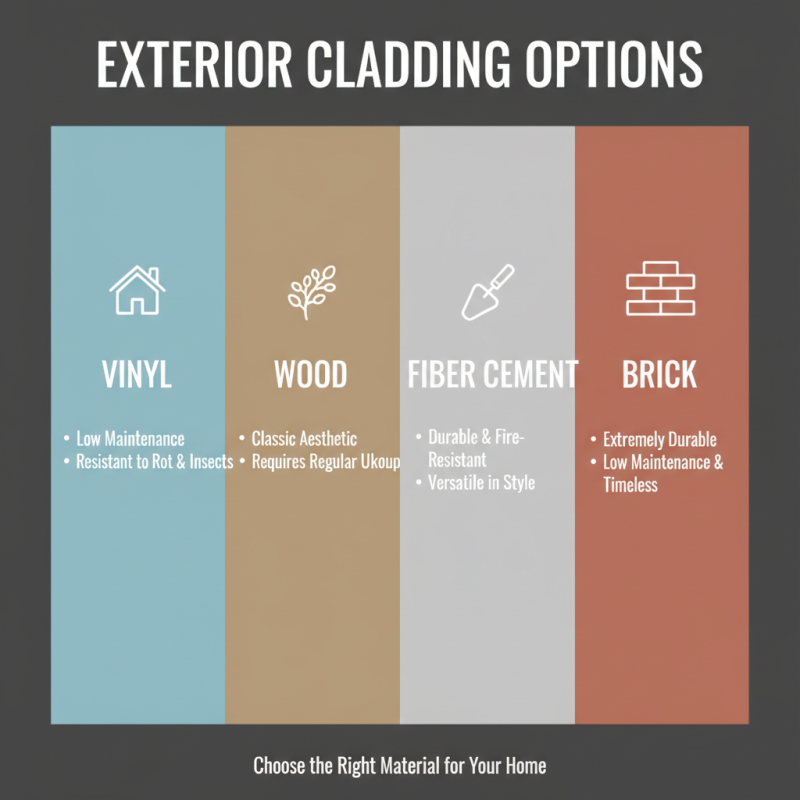
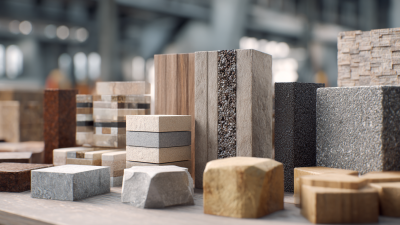
When evaluating different materials for exterior cladding options, it's essential to consider a variety of factors that can influence your choice. The most common materials include vinyl, wood, fiber cement, and brick, each offering distinct advantages and drawbacks. Vinyl, for instance, is known for its low maintenance and resistance to rot and insects, making it a popular option for many homeowners. On the other hand, wood provides a classic aesthetic that can enhance the home's character but requires regular upkeep to prevent decay and pests.
Another material worth considering is fiber cement, which offers durability and is fire-resistant while mimicking the look of wood or masonry. This can be an excellent compromise for those seeking both aesthetics and functionality. Brick, while typically more expensive, provides exceptional longevity and insulation properties. When assessing these materials, think about climate suitability, initial costs versus long-term maintenance, and the specific look you wish to achieve for your home. Each option presents unique qualities, making it crucial to align the choice with both practical needs and personal preferences.
Considering Climate and Environmental Factors in Cladding Selection
When selecting exterior cladding for your home renovation, considering climate and environmental factors becomes crucial. Different materials respond uniquely to weather conditions, such as temperature fluctuations, humidity, and precipitation levels. For instance, in areas with high rainfall, choosing cladding that is resistant to moisture damage, such as fiber cement or treated wood, can help prevent issues related to water infiltration and mold growth. Conversely, if you live in a region with extreme temperatures, insulation properties of the cladding material play a significant role in maintaining energy efficiency.
Tips: Always review local climate data to refine your choices. Consider materials that not only fit your style preferences but also enhance your home’s durability against local weather patterns. Engaging with professionals familiar with local building codes and environmental conditions can provide valuable insights.
Additionally, think about how your choice of cladding impacts your home’s overall energy efficiency. Some materials can reflect heat, reducing cooling costs in warm climates, while others provide excellent insulation, keeping homes warmer in colder areas. Sustainable options like reclaimed wood or recycled metal may also offer environmental benefits, contributing to a reduced carbon footprint without compromising on aesthetics.
Tips: Look for cladding options that come with environmental certifications or have a lower embodied energy, which indicates a smaller impact on the environment during production and installation. Integrating sustainability into your cladding choice can benefit both your home and the planet.
Assessing Aesthetic Styles and Design Compatibility for Your Home
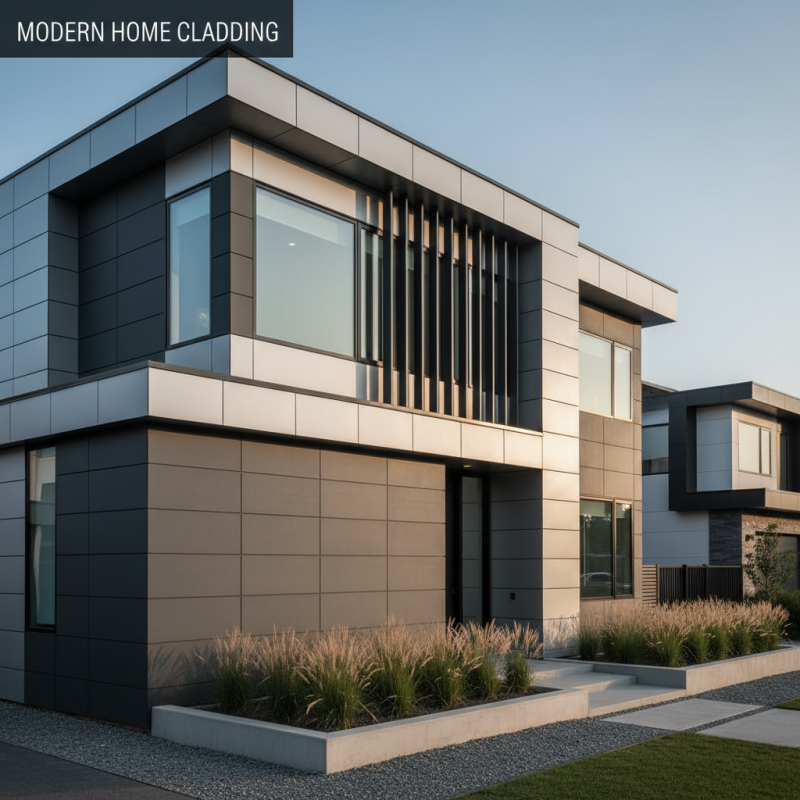
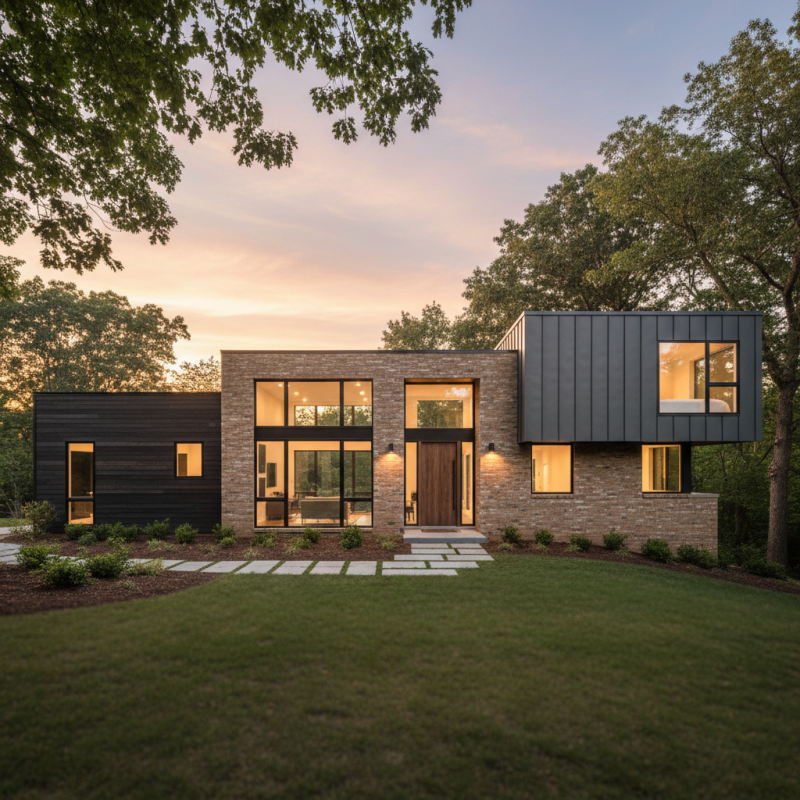
When assessing aesthetic styles and design compatibility for your home renovation, it is essential to start by considering the existing architectural features of your property. The cladding material you choose should complement these features seamlessly, enhancing the overall visual appeal of your home. For instance, a modern home may benefit from sleek materials like metal or fiber cement, while a traditional setting may be better suited to wood or brick. Evaluating your neighborhood's architectural landscape can also provide insights into prevalent styles, ensuring that your renovation aligns with community aesthetics while still allowing for personal expression.
Additionally, color, texture, and finish play significant roles in design compatibility. Think about how the cladding color interacts with other elements of your home such as roofing, window frames, and landscaping. Opting for a monochromatic scheme can create a sleek, contemporary look, while contrasting colors can add depth and character. Texture is equally important; smoother finishes might convey a minimalist vibe, whereas rougher textures can evoke a rustic charm. By carefully considering these aesthetic factors, you can select exterior cladding that not only meets functional requirements but also enhances the beauty and style of your home renovation project.
Budgeting and Cost Analysis for Exterior Cladding Choices
When embarking on a home renovation project that includes exterior cladding, budgeting plays a crucial role in determining the overall success and feasibility of your plans. Start by assessing the material choices available to you, as different cladding options come with varying price points.
Materials such as vinyl, wood, fiber cement, and metal all have unique costs associated with both purchase and installation. By gathering quotes from suppliers and contractors, you can develop a clear picture of how each option fits into your financial framework.
Beyond just the initial costs, consider the long-term implications of your choice. Some materials may have lower upfront costs but higher maintenance expenses over time. For instance, while wood may provide a warm aesthetic, it often requires regular treatment and upkeep, which can accumulate into significant costs. On the other hand, materials like fiber cement offer durability and require less frequent maintenance, potentially saving money in the long run. Be sure to factor in these ongoing costs when finalizing your budget to ensure you choose not only a beautiful but also a financially sound exterior cladding solution for your home.