How to Choose the Best Pipe Products for Your Plumbing Needs
In the world of plumbing, the selection of pipe products plays a crucial role in ensuring both functionality and durability in any installation. Expert plumber James Carter emphasizes, "Choosing the right pipe products not only affects the efficiency of your plumbing system but also its longevity." With a plethora of options available, understanding the various materials and their applications can seem daunting. Homeowners and professionals alike must navigate through choices like PVC, copper, and PEX to find the most suitable solutions for their specific needs.
As we delve into the intricacies of selecting pipe products, it becomes imperative to consider factors such as the type of water supply, pressure levels, and environmental conditions. Each type of pipe product offers distinct advantages and disadvantages, which can impact installation costs and long-term maintenance. By arming oneself with knowledge and expert advice, one can make informed decisions that not only meet immediate plumbing requirements but also ensure sustainable performance in the years to come. Let’s explore the key considerations that will guide you in choosing the best pipe products for your plumbing needs.
Understanding Different Types of Pipe Materials: Pros and Cons
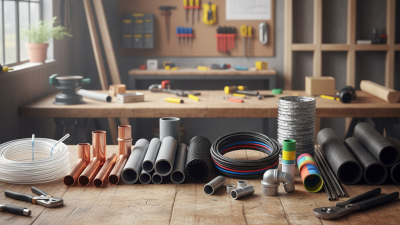
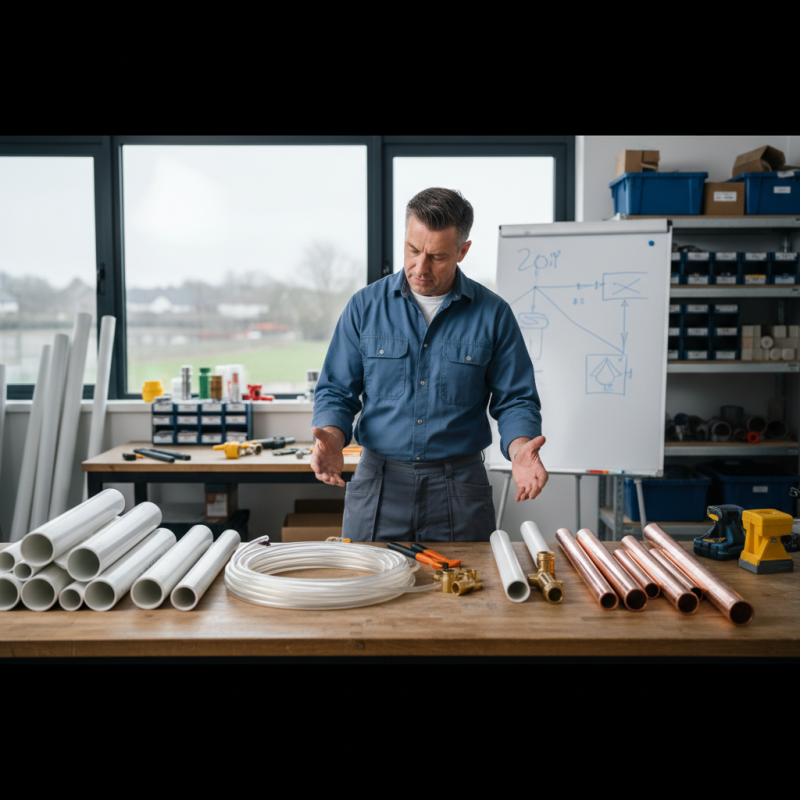
When choosing the right pipe products for your plumbing needs, it's crucial to understand the various materials available, each with its own set of advantages and disadvantages. For example, PVC (polyvinyl chloride) pipes are widely used due to their affordability, lightweight nature, and resistance to corrosion. They are ideal for drainage, waste, and vent systems. However, they are not suitable for hot water applications, as high temperatures can cause them to warp or become brittle over time.
Another popular option is copper piping, known for its durability and reliability. Copper is resistant to corrosion and can handle high temperatures, making it a strong choice for both hot and cold water supply lines. Nevertheless, copper can be more expensive than other materials and may be susceptible to theft in some areas. Additionally, it can react with certain water qualities, potentially leading to leaching of metals into the supply.
Lastly, PEX (cross-linked polyethylene) has gained popularity for its flexibility and ease of installation. PEX pipes are resistant to scale and chlorine, making them a great option for both hot and cold water systems. However, they are not suitable for outdoor use as UV exposure can deteriorate the material. Understanding these pros and cons will help you make an informed decision tailored to your specific plumbing needs.
Evaluating Pipe Sizes and Specifications for Specific Plumbing Applications
When evaluating pipe sizes and specifications for specific plumbing applications, the first step is to determine the requirements of the system. Factors such as the type of fluid being transported, the pressure and temperature conditions, and the length of the piping run all play a crucial role. For instance, water supply lines typically require different specifications compared to drainage systems. In addition, understanding the flow rate necessary for the application will help in selecting the appropriate diameter of pipes. By calculating the required flow rate, one can have a better idea of whether to use a larger diameter pipe for higher volumes or smaller pipes for lighter applications.
Another critical aspect to consider is the material of the pipe. Various plumbing applications may benefit from different pipe materials, such as PVC, copper, or PEX. Each material has unique characteristics that cater to specific needs; for example, PEX is flexible and resistant to scale and chlorine, making it suitable for residential water supply, while copper is often preferred for its durability and resistance to corrosion. Additionally, specific applications may also require pipes that can withstand certain pressures or temperatures, which can further narrow down your choices. By thoroughly evaluating these factors, you can ensure that the selected pipe products will meet your plumbing needs effectively and efficiently.
Identifying Industry Standards and Codes for Pipe Products
When selecting pipe products for plumbing needs, understanding the relevant industry standards and codes is crucial. These standards are established to ensure safe and efficient plumbing systems, covering materials, dimensions, and installation practices. For instance, the American National Standards Institute (ANSI) and the International Organization for Standardization (ISO) set guidelines that govern the quality and performance of various pipe materials, such as PVC, copper, and galvanized steel. Familiarizing yourself with these standards not only ensures compliance but also enhances the longevity and reliability of the plumbing systems.
In addition to national standards, local plumbing codes must also be considered. These codes can vary significantly between regions and may specify requirements related to pipe sizing, fixture compatibility, and allowable materials. It is essential for homeowners and professionals alike to consult local regulations to avoid costly mistakes and ensure that any installation meets legal requirements. Understanding these codes helps in selecting the right pipe products, ultimately contributing to a safer plumbing environment and preventing future complications.
Keeping abreast of any updates to these standards and codes is also advisable, as they may evolve to incorporate new technologies and materials in the plumbing industry.
Assessing Durability and Longevity of Plumbing Pipes: Key Metrics
When selecting plumbing pipes, understanding their durability and longevity is essential. One of the key metrics to assess is the material composition of the pipes. Different materials, such as PVC, copper, and PEX, exhibit varying degrees of resistance to corrosion and pressure. For instance, PVC is known for its resistance to chemical damage, while copper has a long lifespan due to its natural resistance to rust. Evaluating these characteristics can help you determine which pipe material best fits your specific requirements.
Another important factor to consider is the associated maintenance and environmental factors. Pipes located in areas prone to extreme temperatures or moisture levels may require materials that can withstand such conditions without deteriorating. Additionally, the life expectancy of plumbing pipes varies considerably, with some materials offering warranties or expected lifespans of 50 years or more, while others may need replacement much sooner. Regular assessments and understanding the operational environment of your plumbing system can provide insights into how long you can expect your pipes to last, ultimately helping you make an informed decision about the best products to use.
Durability and Longevity of Common Plumbing Pipes
Cost Analysis: Budgeting for Pipe Products and Installation Expenses
When considering pipe products for your plumbing needs, a crucial factor is understanding the costs involved. First, assess the price of different types of pipes, including materials such as PVC, copper, and PEX. Each has its own price range and durability, which will affect not only the initial expenditure but also long-term maintenance and replacement costs. Researching local market prices can provide insight into the average cost per foot and help you make a more informed decision.
In addition to the material costs, budgeting for installation expenses is essential. Depending on the complexity of the plumbing project, labor costs can significantly impact the overall budget. Hiring a professional may involve a flat fee or hourly rate, and it's important to get quotes from multiple contractors to ensure you are getting a fair price. Furthermore, consider any additional costs that may arise, such as permits or inspection fees, which can add to the financial burden if not accounted for in advance.
By conducting a thorough cost analysis, you can accurately budget for both pipe products and installation, ensuring your plumbing project remains within your financial means.