How to Choose the Best Wall Panels for Your Home Improvement Project
When embarking on a home improvement project, selecting the right wall panels can significantly impact both aesthetics and functionality. As expert designer Rachel Adams notes, “The right choice of wall panels can transform a space from mundane to extraordinary, providing personality while enhancing the structure’s integrity.” With a multitude of materials, styles, and designs available, understanding the nuances of wall panels is essential for any homeowner looking to elevate their living space.
Wall panels serve as not just decorative elements but also functional solutions for insulation, soundproofing, and protection against wear and tear. Whether considering wood, vinyl, or composite materials, each option offers unique characteristics tailored to specific needs and design objectives. It is crucial to evaluate your home’s overall style and the room's intended use to ensure that the chosen wall panels harmonize with the existing architecture while offering practical benefits.
Ultimately, the decision-making process shouldn't be rushed. Taking the time to research various options, consulting with professionals, and visualizing the desired outcome can lead to a successful enhancement of any interior space. By carefully selecting wall panels that align with both personal taste and functional requirements, homeowners can create beautiful, enduring environments that reflect their individual styles.
Factors to Consider When Choosing Wall Panels for Your Space
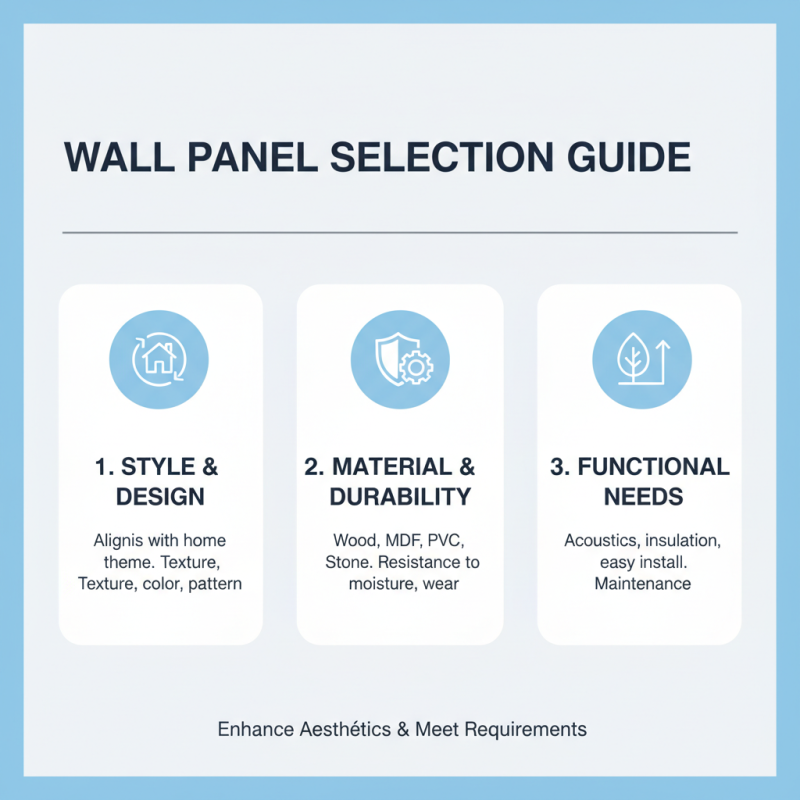
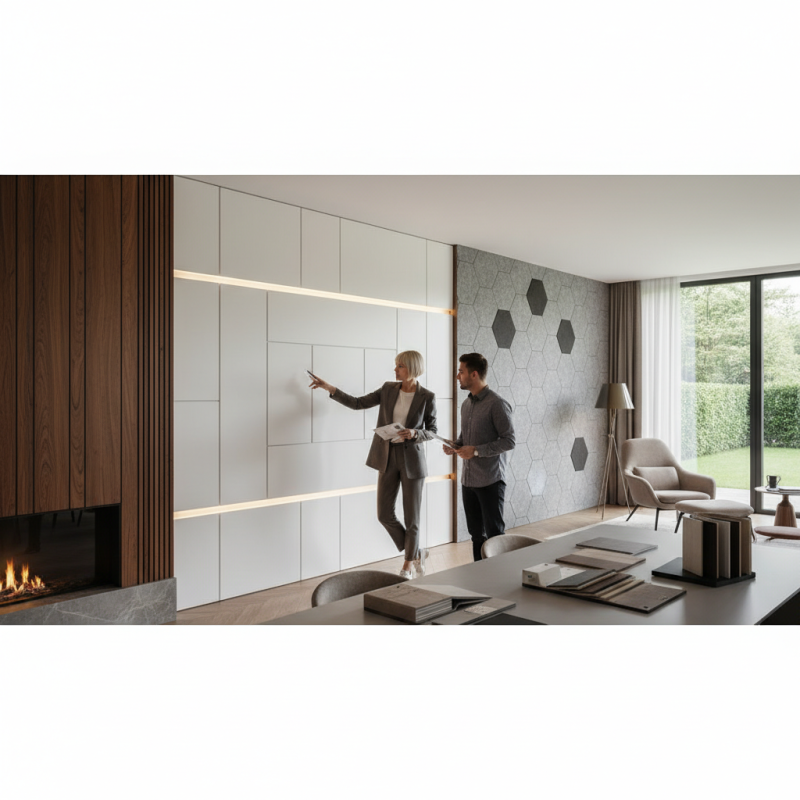
When selecting wall panels for your home improvement project, several key factors should be carefully considered to ensure that the chosen materials not only enhance the aesthetic appeal of your space but also meet functional requirements. Firstly, the style and design of the wall panels should align with the overall theme of your home. Whether you are aiming for a modern, rustic, or classic look, the texture, color, and pattern of the wall panels can significantly impact the ambiance of a room.
Durability is another crucial factor to take into account. Depending on the location of the wall panels within your home, some areas may be prone to moisture, wear, or impact. For instance, panels used in bathrooms or kitchens should be moisture-resistant to prevent damage, while those in high-traffic areas should be tough enough to withstand scratches and scuffs. Additionally, the installation process should not be overlooked; some materials are easier to install than others, which can affect both time and cost. Finally, consider the maintenance requirements of the wall panels, as some materials may require regular upkeep to maintain their appearance and functionality. By weighing these factors, you can make an informed decision that best suits your home improvement aspirations.
Types of Wall Panels: Pros and Cons of Each Material
When selecting wall panels for your home improvement project, it’s essential to understand the various materials available and their respective pros and cons. One popular option is wood paneling. Wood offers a warm, natural aesthetic that can enhance the charm of any room. Its durability is impressive, but it requires regular maintenance to prevent warping and damage from moisture. Additionally, wood can be on the pricier side, particularly when using hardwoods, which may be a consideration for budget-conscious homeowners.
Another common choice is drywall, known for its affordability and ease of installation. Drywall provides a smooth surface that can be painted or finished in various styles, allowing for versatile design options. However, it is less durable than other materials and more susceptible to damage from impacts or water. For those looking for a lightweight and moisture-resistant option, PVC panels might be ideal. They are easy to clean, come in various designs, and can withstand damp environments, making them perfect for bathrooms or kitchens. However, they may lack the aesthetic appeal of natural materials, which could be a drawback for some homeowners. Each type of paneling has its unique attributes, and the right choice ultimately depends on your specific needs and design preferences.
Comparison of Wall Panel Materials
Measuring Your Space for the Perfect Fit of Wall Panels
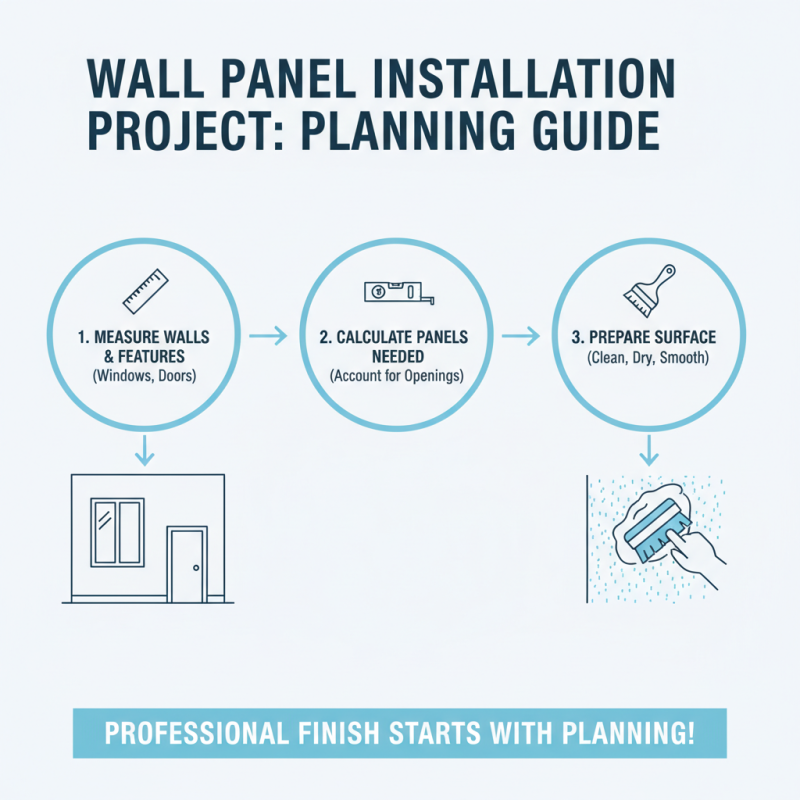
When it comes to choosing the best wall panels for your home improvement project, accurately measuring your space is a crucial first step. Start by determining the dimensions of the wall(s) you want to cover.
Use a tape measure to record the height and width of each wall, ensuring that you account for any windows, doors, or electrical outlets. This information will help you calculate the total square footage needed and ensure a perfect fit for your selected wall panels.
Tips: When measuring, consider using a level to verify that your measurements are straight, as uneven surfaces can lead to inaccurate readings. It may also be helpful to sketch a quick layout of your walls to visualize where the panels will be installed.
As you finalize your measurements, keep in mind the installation method for the panels—some may require precise cuts for corners or intricate layouts. Be sure to factor in additional panels to accommodate mistakes or changes in design. Taking the time to measure carefully will save you from potential hassles during installation, allowing you to create a beautiful, cohesive look throughout your space.
Tips: Always round up your total square footage to account for any waste, ensuring you have enough panels for your project. Lastly, don’t forget to measure twice and cut once!
Designing with Wall Panels: Style and Aesthetic Considerations
When selecting wall panels for your home improvement project, the aesthetic considerations play a crucial role in achieving a cohesive and stylish interior. Wall panels are available in a myriad of designs, materials, and finishes, which can dramatically influence the ambiance of a space. According to a report by the Home Improvement Research Institute, approximately 65% of homeowners prioritize aesthetics when renovating, indicating that the visual appeal of wall panels can significantly impact decision-making. Whether opting for sleek modern styles or rustic textures, each choice contributes to the overall character of the home.
In the realm of design, color, texture, and pattern are essential elements to consider. For instance, lighter-colored panels can create an airy and spacious feeling, which is especially beneficial for smaller rooms. Conversely, darker tones can offer a sense of depth and warmth. The latest trends, as highlighted by interior design publications, suggest that natural materials, such as wood and stone, are becoming increasingly popular, with a reported 40% increase in demand for eco-friendly paneling options. Additionally, the strategic use of patterns can add visual interest while harmonizing with existing furnishings. By carefully selecting wall panels that resonate with the desired aesthetic, homeowners can elevate their spaces effectively.
How to Choose the Best Wall Panels for Your Home Improvement Project
| Panel Material |
Style |
Aesthetic |
Durability |
Price Range (per sq. ft.) |
| Wood |
Classic, Rustic |
Warm, Natural |
Medium |
$3 - $7 |
| PVC |
Modern, Minimalist |
Sleek, Contemporary |
High |
$2 - $5 |
| Metal |
Industrial, Urban |
Bold, Edgy |
Very High |
$7 - $15 |
| Fiberglass |
Contemporary |
Bright, Flexible |
High |
$4 - $10 |
| Gypsum Board |
Traditional |
Soft, Quiet |
Medium |
$1 - $3 |
Installation Tips for a Successful Wall Panel Project
When embarking on a wall panel installation project, careful planning is crucial for achieving a professional finish. Begin by measuring the dimensions of your walls to determine how many panels you will need. It’s essential to account for any windows, doors, or other architectural features that may alter the total area you will cover. Additionally, preparing the surface where the panels will be installed—ensuring it is clean, dry, and free from any protrusions—will facilitate a smoother installation process.
Once your materials are gathered, consider the installation method that suits your chosen type of wall panels. Some panels may require adhesive for mounting, while others might need nails or screws. Pay attention to the manufacturer's guidelines as they often provide specific instructions for the best results. Start from a corner and work your way out, ensuring each panel is level for a uniform appearance. A level and a measuring tape are indispensable tools during this process. Lastly, take your time while cutting panels to fit around edges, as accurate cuts will enhance the overall aesthetics of your project.