How to Choose Composite Cladding Panels for Your Building Project?
When planning a building project, the choice of materials is crucial. Composite cladding panels are gaining popularity among architects and builders. According to industry expert John Harper, “The right cladding can transform a structure's aesthetic and performance.” This highlights the importance of selecting suitable composite cladding panels to match your vision.
Choosing the right panels can be complex. Several factors must be considered, such as durability, insulation, and aesthetic appeal. Each type of composite cladding offers unique benefits. However, not all options will fit your project's specific requirements. Understanding these intricacies can save you time and money.
While composite cladding panels can enhance exterior designs, they require careful consideration. Quality varies significantly among manufacturers. It is vital to research and evaluate options thoroughly. Small mistakes in this choice may lead to expensive renovations later. Make informed choices to avoid common pitfalls in your building project.

Understanding Composite Cladding Panels: Materials and Benefits
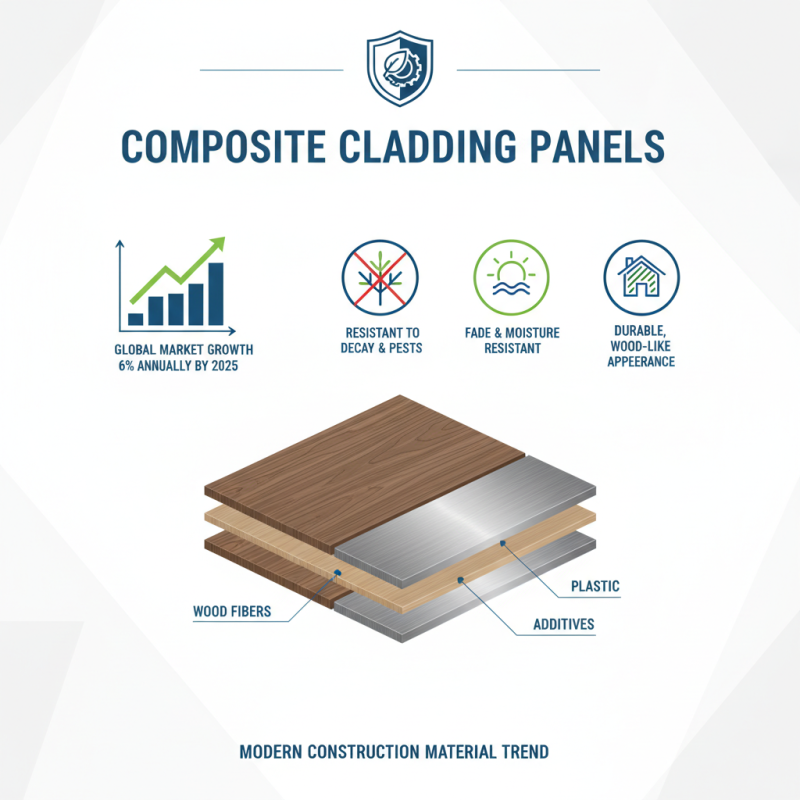
Composite cladding panels are gaining popularity in modern construction. These panels combine materials like wood fibers, plastic, and other additives. They provide durability while maintaining a wood-like appearance. A recent industry report indicates that the global composite cladding market is expected to grow by 6% annually through 2025. This growth is largely driven by their resistance to decay, fading, and pests.
Many builders appreciate the lightweight nature of composite panels. This characteristic can simplify installation and reduce labor costs. However, potential buyers should also factor in thermal expansion. Changes in temperature may cause warping or buckling. Using quality panels can mitigate these issues, but some cheap alternatives may lead to more problems than solutions.
Composite cladding is also environmentally friendly. Recycled materials often make up a significant portion of these products. This aspect appeals to sustainability-conscious builders. However, it's important to check the exact material composition. Not all composites are created equal, and some may contain harmful chemicals. A thorough understanding of the materials ensures a safer choice for your project.
Key Factors to Consider When Choosing Composite Cladding Panels
Choosing composite cladding panels for your building project requires careful consideration. Look at the material’s durability. Panels should withstand weather extremes and resist fading. Water resistance is essential for long-lasting performance. Think about the aesthetic appeal, as well. A good design enhances the building’s overall look.
Tips: Always check panel samples before finalizing. This helps visualize the final outcome. Consider how colors and textures work together.
The installation process can be tricky. Some panels need special tools or techniques. This can increase project costs. Research installation requirements thoroughly. Talk to professionals if you're unsure. It's crucial to avoid costly mistakes.
Tips: Consult experts for panel maintenance. Regular upkeep can prolong the life of your cladding. This can save money in the long run.
Comparing Different Types of Composite Cladding Options
When selecting composite cladding panels, understanding the various types is crucial. Composite materials usually consist of wood and plastic or a combination of materials. According to a recent industry report, composite cladding can offer advantages like durability and low maintenance. Many builders are shifting towards lightweight options that can enhance design flexibility.
One popular choice is wood-plastic composites (WPC). These panels replicate the look of wood but resist rot and pests. In addition, fiber-cement panels are gaining traction. They provide excellent fire resistance, making them suitable for various climates. Notably, some experts warn that the longevity of each type can vary. A poorly chosen composite option can lead to expensive replacements.
Tips: Choose panels that have excellent UV resistance. This ensures your cladding maintains its color and integrity. Pay attention to installation guidance. Improper installation can diminish performance.
Another consideration is environmental impact. Many composite products are made from recycled materials. However, the energy required for production can be high. Reflect on the trade-offs between aesthetics and sustainability. The best choice isn’t always clear-cut. By weighing these options carefully, you can ensure a satisfactory outcome for your building project.
Composite Cladding Options Comparison
This chart compares the cost per square meter of different composite cladding options available for building projects. Each type of cladding has its unique advantages, making it essential to consider these factors when making your choice.
Installation Techniques and Maintenance for Composite Cladding
When choosing composite cladding panels, installation techniques play a critical role. Ensure that your panel choice aligns with the building's structure. According to industry reports, improper installation can reduce panel lifespan by up to 30%. Basic installation tools include a level, a saw, and screws. Installers should focus on achieving a tight fit to prevent water ingress, which is a significant cause of material degradation.
Proper maintenance is equally essential for composite cladding. Regular cleaning with mild detergents can prevent surface stains and retain appearance. A study indicates that neglecting maintenance can lead to a 15% decrease in energy efficiency due to poor insulation. Inspect joints and seams bi-annually. Addressing small issues promptly can prevent major repairs later. While composite materials are designed for durability, they still require consideration for their unique properties during installation and upkeep.
Cost Analysis: Budgeting for Composite Cladding in Your Project
When budgeting for composite cladding, it's crucial to consider various factors. The initial cost for composite cladding panels ranges significantly. According to industry reports, prices can rise between $5 to $30 per square foot, depending on the material quality and specific design requirements. This price variability can impact overall project budgets quite significantly.
Labor costs for installation also play a vital role. Skilled labor may range from $50 to $100 per hour, depending on the region. In some areas, unexpected labor shortages could inflate these costs further. Estimating these expenses accurately can require careful planning and often calls for expert consultation. Not accounting for these potential shifts can leave project finances in disarray.
Ongoing maintenance is another consideration. While composite cladding may reduce long-term upkeep compared to traditional materials, initial savings may not be as significant as expected. In some cases, the longevity and durability claims made by producers can be overestimated. This often necessitates ongoing assessment to ensure that the cladding retains its appearance and performance. Unforeseen expenses during the project can easily derail budgets without proper foresight.