How to Choose Heat Resistant Castings for Your Projects?
In the world of industrial applications, choosing the right materials is crucial. Heat Resistant Castings play a vital role in ensuring the durability and performance of your projects. These castings are specifically designed to withstand extreme temperatures. As industries evolve, the demand for reliable heat resistant solutions increases.
When evaluating Heat Resistant Castings, consider factors such as the operating environment and specific thermal properties. Not all castings perform equally under heat stress. It's essential to examine material compositions and manufacturing techniques for quality assurance. Experience shows that even minor flaws in choice can lead to significant project setbacks.
Selecting suitable Heat Resistant Castings is an intricate process. Manufacturers’ expertise and material certifications matter. Acting on this knowledge will lead to better outcomes. Often, we overlook details during selection, assuming all castings are similar. This oversight can prove costly in the long run. Prioritizing informed decisions enhances project reliability and efficiency.
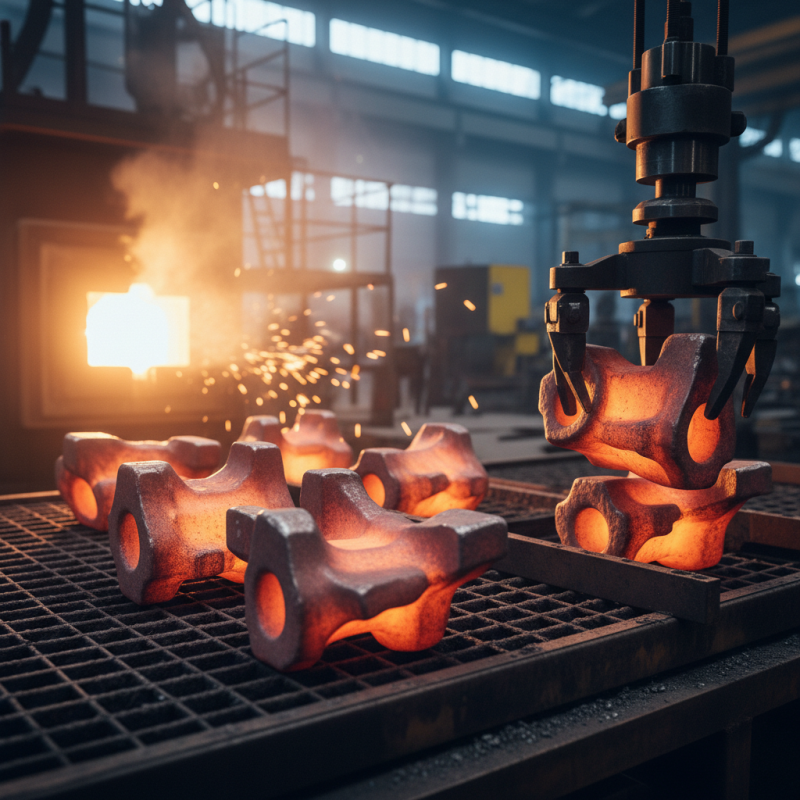
Understanding Heat Resistant Castings and Their Applications
Heat resistant castings play a crucial role in various industries. They are designed to withstand extreme temperatures and harsh environments. Applications range from aerospace components to automotive parts and industrial machinery. Understanding the properties and types of heat resistant castings can significantly impact project success.
When selecting heat resistant castings, consider the specific material requirements. Common materials include iron, steel, and nickel-based alloys. Each has unique thermal properties. For instance, nickel alloys excel in high-temperature scenarios, offering superior oxidation resistance. Research is essential to match casting materials to your project needs.
**Tips**: Always evaluate thermal cycling and stress factors in your application. This ensures you select a casting that won’t fail under pressure. Additionally, consult with experts to understand the latest advancements in casting technology. This may offer better options than traditional choices.
It’s important to remember that not every casting will perform as expected. Regular testing and evaluation can help spot potential issues early. Engage in discussions with peers in your industry for diverse insights. Exploring various perspectives can reveal overlooked factors essential for optimizing your designs.
How to Choose Heat Resistant Castings for Your Projects?
| Material | Max Temperature (°C) | Applications | Advantages | Considerations |
| Cast Iron | 1200 | Engine blocks, cookware | Good thermal conductivity, durability | Brittleness, corrosion resistance |
| Stainless Steel | 950 | Food processing, chemical industries | Corrosion resistance, aesthetic appeal | Higher cost, lower thermal conductivity |
| Nickel Alloy | 1100 | Aerospace, automotive | High strength at elevated temperatures | Expensive, difficult to machine |
| Carbon Steel | 800 | Construction, machinery parts | Versatile, good machinability | Susceptible to corrosion |
| Ceramic | 1600 | Heat shields, turbine engines | Excellent thermal resistance, lightweight | Brittle, complex manufacturing |
Key Materials for Heat Resistant Castings: An Overview
Heat resistant castings are essential in high-temperature applications. Choosing the right materials can greatly impact your project's success. Some key materials include nickel-based alloys and special stainless steels. These materials offer great resistance to thermal fatigue and oxidation. Their unique properties enable them to retain strength under incredible heat.
Nickel-based alloys stand out for their versatility. They perform well in extreme environments, such as gas turbines or industrial furnaces. Despite their high performance, they can be expensive. It’s crucial to weigh the cost against the required durability for your project. Stainless steels are another option. They are more affordable but might not hold up as well in extreme conditions. Evaluating the specific requirements of your application is vital.
When selecting materials, consider the manufacturing process as well. Different techniques can influence the final product's heat resistance. Consider how the casting will be used in real-world situations. There may be gaps in available information on certain materials. This uncertainty could affect decision-making. Always consult reliable sources or experts in the field for the best outcomes.
Factors to Consider When Selecting Heat Resistant Castings
When selecting heat resistant castings, several critical factors come into play. Begin by assessing the material's thermal properties. For example, metals like aluminum and stainless steel offer diverse heat resistance. Reports indicate that stainless steel can withstand temperatures up to 1,600°F, making it suitable for many high-heat environments. However, some alloys perform better than others, often depending on the specific application.
Another aspect to consider is the casting process. Different methods, such as sand casting or investment casting, can influence the final product's durability. Each technique has its advantages and limitations. A study highlighted that investment castings often yield finer surface finishes but at a higher cost. This part of the decision may require balancing budget constraints with the need for high-quality output.
Lastly, think about the environment where the castings will be used. Corrosive environments may demand unique material choices to ensure longevity. In some instances, coatings can enhance resistance but may not always be feasible. Regular evaluation of these factors can prevent costly mistakes down the line. Understanding these nuances ensures that you select the right heat resistant castings for your specific needs.
Heat Resistant Castings Selection Factors
Evaluating Performance Ratings and Specifications of Castings
When selecting heat resistant castings, performance ratings are crucial. These ratings determine how materials behave under extreme conditions. High-performance castings withstand significant heat and pressure. They often feature specialized alloys or coatings. Understanding these specifications helps in making informed choices for your projects.
Different applications require unique qualities. For example, some castings might excel in thermal shock resistance. Others may focus on oxidation resistance. Evaluating these traits ensures you select the best fit for your needs. Be aware that even the best materials can have limitations. Reflection on past project failures is essential. Learning from these experiences can guide future casting choices.
Specifications also include measurements like tensile strength and thermal conductivity. These figures provide insight into material capabilities. However, don’t overlook the manufacturing process. It can impact performance, sometimes in unexpected ways. Deciding on the right casting requires careful evaluation of all these aspects. Look for reliable suppliers who can provide detailed documentation. This transparency enhances trust and ensures you get what you need for your projects.
Common Manufacturing Processes for Heat Resistant Castings
When selecting heat resistant castings, understanding the manufacturing processes is essential. A few common methods include sand casting, investment casting, and die casting. Each process has unique advantages and limitations.
Sand casting is versatile and cost-effective, suitable for large components. However, achieving tight tolerances can be challenging.
Investment casting is known for its precision. It offers smoother surfaces and intricate designs. This method, while more expensive, is great for complex shapes. Yet, the pattern making and mold setup can be time-consuming.
On the other hand, die casting is efficient for high-volume production but may struggle with thicker sections.
Choosing the right process often depends on your project's requirements. Factors such as size, volume, and tolerance should guide your decision. Testing various components may reveal unexpected outcomes. Consider the trade-offs in material properties and production time. Evaluating the capabilities of each process is crucial to ensuring the success of your heat resistant castings.