How to Choose the Right Doors and Windows for Your Home Design
When it comes to home design, the selection of doors and windows is often an overlooked yet crucial element that can significantly influence both the aesthetic and functional aspects of a space. As industry expert Jonathan Richards, renowned for his expertise in architectural design, states, “The right doors and windows not only enhance the visual appeal of your home but also improve energy efficiency and security.” Understanding the various styles, materials, and placement of doors and windows is essential for any homeowner looking to elevate their design while ensuring practicality.
The choices you make regarding doors and windows can transform your home into a sanctuary of comfort and style. By considering factors such as natural light, ventilation, and architectural harmony, homeowners can create a welcoming atmosphere that reflects their unique taste. This guide aims to navigate you through the myriad of options available in the doors and windows market, ensuring you find the perfect fit for your home design aspirations. With thoughtful consideration and informed choices, you can enhance your living space and increase the overall value of your property.
Understanding the Importance of Doors and Windows in Home Design
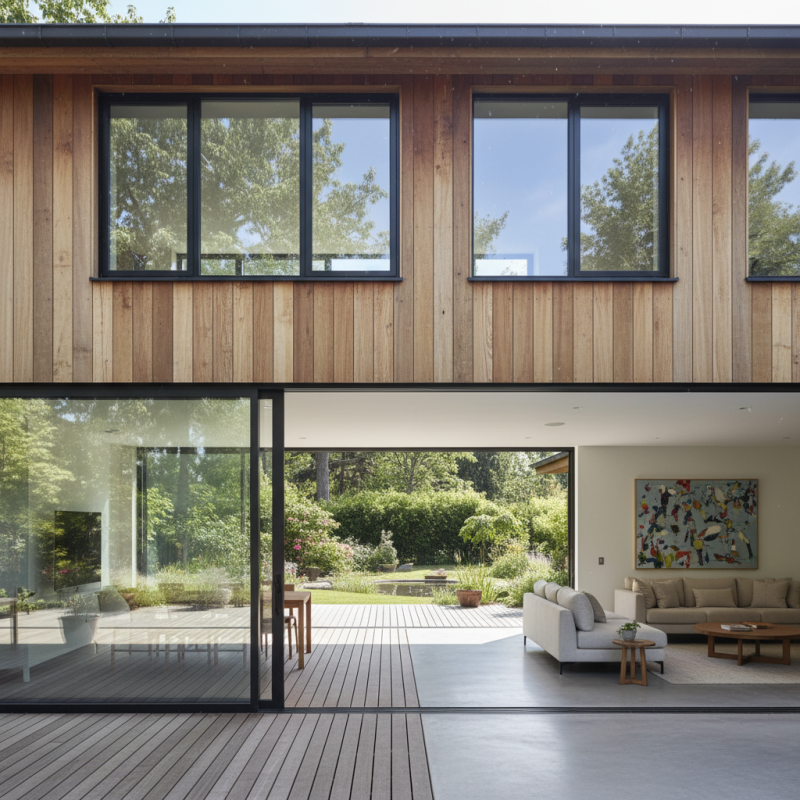
Doors and windows are more than mere functional elements of a home; they serve as critical components that define the overall aesthetics and ambiance of a space. Their design, color, and placement can significantly influence the character of both interior and exterior settings. For instance, large windows can create a seamless connection with the outdoors, inviting natural light and offering breathtaking views, while decorative doors can serve as striking entry points that set the tone for the entire home. Understanding how these elements contribute to your home’s design is essential in creating a cohesive and inviting environment.
Moreover, the importance of doors and windows extends beyond aesthetics; they play a vital role in energy efficiency and security. Well-insulated windows can help regulate indoor temperatures, reducing energy consumption and enhancing comfort. Similarly, sturdy doors contribute to the home’s security while offering a welcoming entrance for guests. When selecting doors and windows, it’s crucial to consider their material, style, and performance characteristics, ensuring that they align with the overall design vision while providing practical benefits. This holistic approach to choosing these elements can elevate a home’s design while ensuring functionality and comfort.
Evaluating Different Types of Doors and Their Aesthetic Appeal
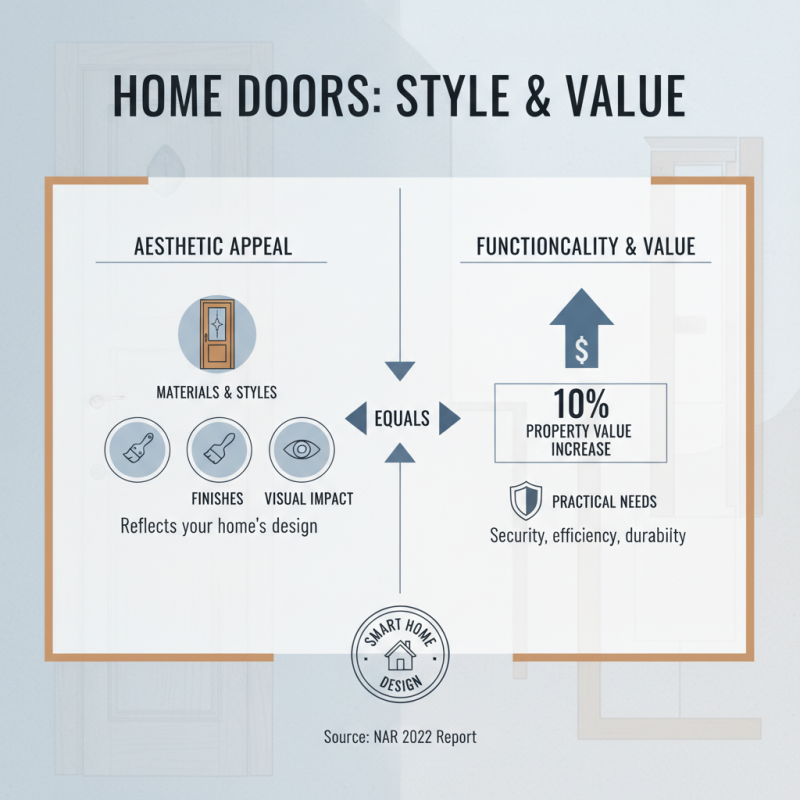
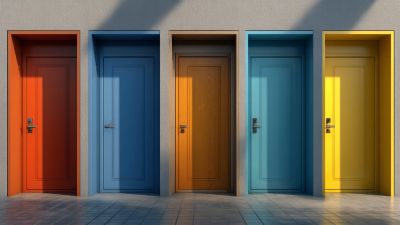
When selecting doors for your home design, it's essential to evaluate their aesthetic appeal alongside functionality. Various materials, styles, and finishes can dramatically influence the visual impact of a space. According to a 2022 report by the National Association of Realtors, homes with high-quality, visually appealing doors can increase property value by approximately 10%. This underscores the importance of choosing doors that not only meet your practicality needs but also complement your overall design aesthetic.
One popular trend is the use of fiberglass and steel doors, which offer great insulation and durability while also coming in a variety of designs, mimicking the look of wood without the associated maintenance. When considering doors, think about how they will interact with the architectural style of your home. For example, modern homes often benefit from sleek, minimalist designs, while traditional homes may look best with ornate, classic styles.
Tips: To enhance the aesthetic of your entryway, consider adding decorative glass panels to your door for added light and elegance. Additionally, choosing complementary sidelights and transoms can unify your exterior and create a cohesive look. When selecting windows, focus on large, energy-efficient panes that provide ample natural light while maintaining a stylish silhouette, as homes designed with bright spaces are consistently favored in the market.
Exploring Window Styles: Functionality and Design Considerations
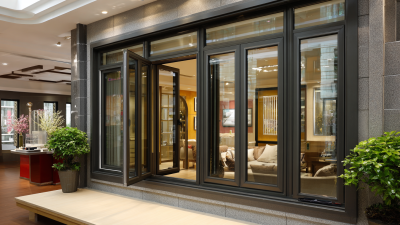
When selecting windows for your home, it’s essential to balance functionality with aesthetic appeal. Different window styles serve various purposes and can drastically influence the overall design of your home. For example,
casement windows provide excellent ventilation due to their outward opening mechanism, making them ideal for areas requiring fresh air. On the other hand, double-hung windows offer a classic look and are versatile enough to complement a wide range of architectural styles.
Tips: When considering window styles, think about the climate in your area. Choosing windows with energy-efficient coatings can help regulate indoor temperatures, ultimately saving on energy costs. Additionally, ensure that the size and placement of windows align with your home’s design goals, allowing natural light to flood your living space while maintaining privacy.
Another critical aspect to consider is the material used for framing windows. Options such as vinyl, wood, and aluminum come with different advantages in maintenance and durability. For instance, wood frames provide warmth and a timeless aesthetic but require regular upkeep, while vinyl offers low maintenance with high energy efficiency.
Tips: When selecting materials, factor in your long-term commitment to maintenance and the specific style of your home. It’s also beneficial to consult with a professional designer to achieve a harmonious balance between functionality and visual appeal in your window choices.
Selecting Materials for Durability and Energy Efficiency
When selecting materials for doors and windows, durability and energy efficiency should be your top priorities. According to the U.S. Department of Energy, nearly 30% of a home’s heating and cooling energy is lost through inefficient windows. Therefore, opting for energy-efficient options, such as double or triple-glazed windows, can significantly reduce energy bills and create a more comfortable living environment. The National Association of Home Builders also reports that installing high-performance windows can save homeowners between $200 to $500 annually on heating and cooling costs, depending on the climate.
Tips: When choosing window frames, consider materials such as fiberglass or vinyl, which have excellent insulation properties and require less maintenance than traditional wood. For doors, look for models that feature insulated cores to enhance thermal performance and reduce energy loss.
Additionally, understanding the importance of solar heat gain coefficient (SHGC) and the U-factor can guide your choices. The SHGC measures how much solar radiation passes through a window, while the U-factor indicates how well a window can prevent heat from escaping. Ideally, select windows with a low U-factor for cold climates and a balanced SHGC for regions that experience significant sunlight. Investing in windows and doors with optimal ratings ensures durability and maximizes energy efficiency, contributing to long-term savings and sustainability.
Balancing Aesthetics with Security and Accessibility Needs
When selecting doors and windows for your home,
it’s essential to strike a balance between aesthetics, security, and accessibility.
A well-designed entryway not only enhances the curb appeal of your property but also serves as the first line of defense against intruders.
Opting for materials that blend beauty with sturdiness can provide peace of mind while complementing your home’s architectural style.
Choose doors and windows with reinforced locks and shatter-resistant glass to ensure safety, while still considering styles that reflect your personal taste.
Accessibility is another crucial aspect that often gets overlooked.
It is vital to select doors and windows that accommodate all members of your household, including individuals with mobility challenges.
Consider the width of doorways, the height of sills, and the ease of operation for windows.
Sliding doors and low-threshold designs can provide effortless access, while ample natural light can enhance the home’s ambiance and overall functionality.
By thoughtfully considering aesthetics alongside security and accessibility, you can create a harmonious and welcoming environment in your home.