How to Choose the Right PVC Doors for Your Home?
Choosing the right PVC doors for your home can transform your living space. These doors are popular for their durability, insulation, and aesthetic appeal. However, with many options available, selecting the perfect one requires careful consideration.
PVC doors come in various styles, colors, and sizes, each catering to different needs. Homeowners should assess their specific requirements. High-quality PVC doors can offer long-term benefits, including energy efficiency and low maintenance. However, it's essential to research brands and materials. Not all PVC doors are created equal.
A reliable choice can enhance home security and overall elegance. Consider your local climate and the door's purpose. Reflect on how much light you want to let in or how much privacy you desire. Finding the right balance between form and function is critical. Ultimately, investing time in this decision can greatly impact your home's comfort and value.
Understanding PVC Doors: Benefits and Features
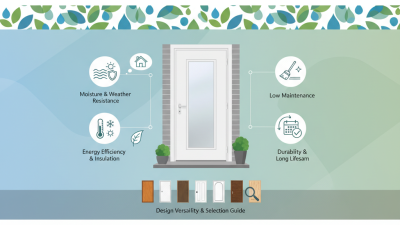
PVC doors offer a unique blend of durability and aesthetic appeal. They can withstand harsh weather conditions, making them ideal for any climate. The main benefit of PVC doors is their resistance to moisture, which helps prevent mold and rot. This keeps your home clean and safe over time.
Another important feature is insulation. PVC doors effectively block out noise and maintain indoor temperatures. This can translate to energy savings in your home. Many homeowners appreciate this when considering long-term costs. However, it's good to reflect on how styles and designs may vary, impacting overall aesthetics.
While PVC doors are generally low maintenance, they can show scratches or discoloration over time. Regular cleaning can help maintain their appearance. It's essential to weigh these factors against your vision for your home's style and functionality. Balancing practicality and beauty is crucial for a satisfying choice.
Types of PVC Doors Available for Home Use
When choosing PVC doors for your home, understanding the different types available is crucial. PVC doors are categorized mainly into solid core and hollow core types. Solid core doors offer superior insulation but can be heavier. Hollow core options are lighter and often more affordable, making them popular for interior applications. According to the National Association of Home Builders, about 30% of homeowners prefer solid core for their durability.
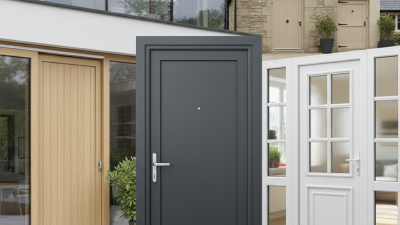
There are also variations in styles. You can find traditional panel doors, sleek modern designs, and even sliding options. Each style serves different aesthetic preferences. Research indicates that homes with visually appealing doors can increase curb appeal by up to 20%.
Tip: Always check the energy efficiency ratings. A door with a good rating can significantly reduce heating costs.
Don't overlook the importance of UV resistance. Some PVC doors fade over time if exposed to direct sunlight. Look for options that mention UV protection in their specifications. Ensuring you have a reliable product is key, as weak doors may lead to higher maintenance expenses later.
Tip: Consult local building codes before making a final decision. These regulations can affect your choice dramatically. Remember, investing in quality doors now can save money and headaches in the future.
Factors to Consider When Choosing PVC Doors
When selecting PVC doors for your home, several factors warrant careful consideration. Durability is essential. PVC doors are known for their resistance to moisture and weathering. This makes them suitable for various climates, but not all PVC doors are created equal. Some may warp or fade over time. Look for products that offer warranties or certifications to ensure longevity.
Security is another critical factor. Check the door's locking mechanisms. Strong locks provide peace of mind. Additionally, consider the door’s thickness. Thicker PVC doors generally offer better insulation and security. However, they may come at a higher price. Weighing cost against security needs can be challenging.
Aesthetic appeal cannot be overlooked. Color and design should complement your home’s style. Some doors may look good but might not match the interior. Do thorough research on options available in your area. Finally, think about maintenance. While PVC doors are low-maintenance, they can still require occasional cleaning. Take a moment to reflect on how frequently you're willing to maintain them. Remember, the goal is to find a balance between functionality and style.
Aesthetic Choices: Colors and Designs for PVC Doors
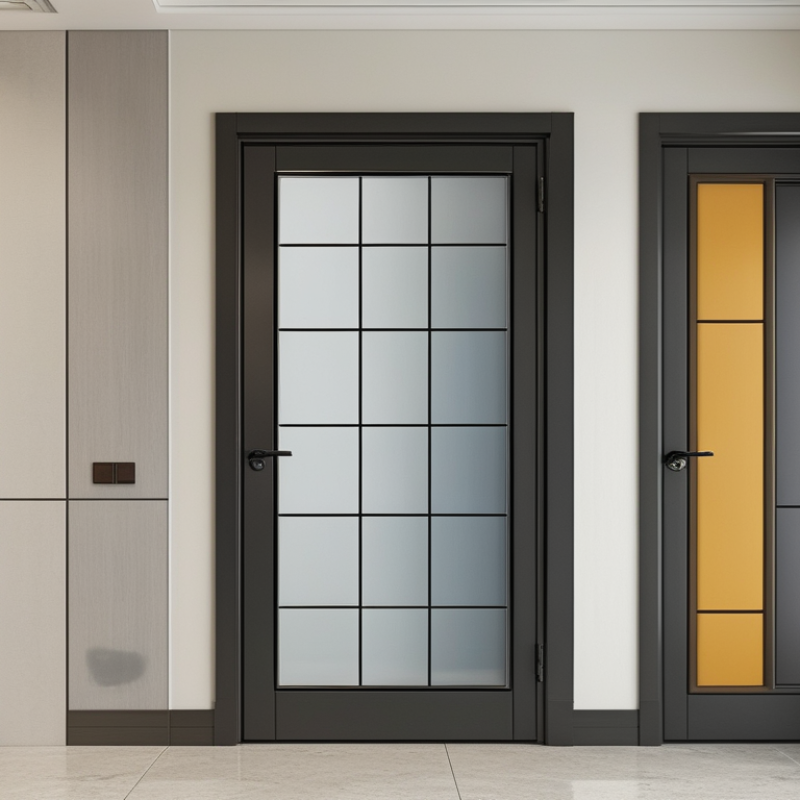
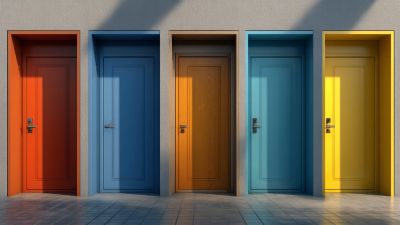
Choosing the right PVC doors involves considering aesthetic choices. Colors and designs can significantly impact your home's look. When selecting a color, think about harmony with existing decor. Neutral shades like white or gray often blend well. For a bolder choice, vibrant colors can provide a stunning contrast. However, realize that trendy colors may quickly fade in popularity.
Design patterns are equally important. Some PVC doors offer sleek, modern lines. Others might feature decorative accents or panel designs. Each design has a different vibe. A minimalist door can create a contemporary atmosphere, while a classic design adds elegance. Consider how each option reflects your personality and home style.
Yet, even with all these choices, the perfect door might not exist. You may experience hesitation over color compatibility or design tastes. Take your time. Visit showrooms or look online for inspiration. Don't rush into a decision. A PVC door can enhance or detract from your home’s overall appeal. Remember, the right choice is one that feels authentic to you.
Maintenance Tips for Long-lasting PVC Doors
Maintaining PVC doors is vital for their longevity. Regular cleaning can remove dirt and grime. Use warm, soapy water and a soft cloth. Avoid abrasive cleaners that can scratch the surface. This simple habit can keep your doors looking fresh.
Inspect your doors periodically for signs of wear. Check hinges and locks to ensure they function smoothly. Tighten any loose screws. If you notice signs of fading, consider using a UV protectant. It can help shield your doors from sun damage.
Don’t forget to address minor issues quickly. A small crack can turn into a bigger problem. Pay attention to how your doors close. Misalignment can cause gaps and affect insulation. Timely repairs save time and money in the long run.
Maintenance Tips for Long-lasting PVC Doors