How to Choose Wall Cladding Composite for Your Project?
Selecting the right wall cladding composite is crucial for your project. With numerous options available, making an informed decision can be overwhelming. A proper choice enhances aesthetics and ensures durability. Wall cladding composites offer various styles, textures, and benefits. These materials are designed to withstand harsh weather conditions, making them ideal for exterior applications.
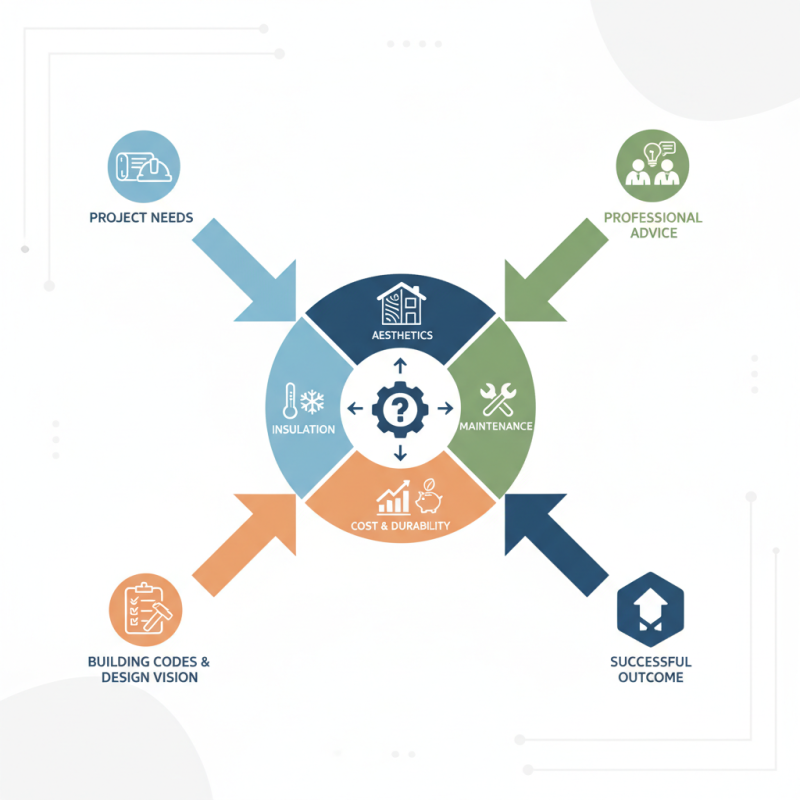
Consider your project's specific needs. Do you prioritize appearance, insulation, or maintenance? Understanding these factors will guide your selection. It's essential to reflect on the long-term costs versus short-term savings. Some composites may appear affordable but require more maintenance over time.
Additionally, it's vital to seek advice from industry professionals. Their expertise can help you avoid common pitfalls. Ensure that the wall cladding composite you choose aligns with your overall design vision and meets building codes. Overall, informed choices lead to successful outcomes in construction and renovation projects.
Understanding Wall Cladding Composites and Their Benefits
Wall cladding composites have become increasingly popular in modern construction. They offer a combination of aesthetic appeal and practical benefits. These materials typically consist of multiple layers, which enhance their durability and performance. According to a report by the Global Composites Market, the demand for wall cladding solutions is projected to grow by 15% annually.
One key benefit of wall cladding composites is their superior resistance to weather conditions. This property helps protect buildings from moisture damage and UV radiation, thus reducing maintenance costs. Additionally, wall cladding composites provide excellent thermal insulation. This can result in reduced energy consumption and lower heating and cooling costs for buildings. A study by the Building and Construction Authority revealed that energy savings can reach up to 30% when using advanced cladding materials.
Tips: Consider the environment of your project when selecting cladding materials. Different composites perform better in specific climates. Research the ease of installation as well; some materials require professional handling, which can increase costs. Finally, check for certifications that indicate the quality of the composites you are considering.
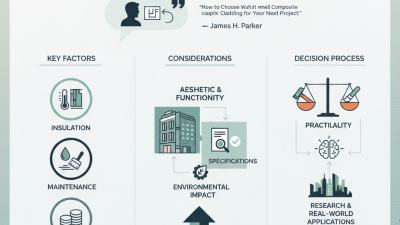
Key Factors to Consider When Choosing Wall Cladding Materials
Choosing wall cladding composite can be daunting. It’s essential to consider key factors that influence
durability and aesthetic appeal.
When selecting materials, you should evaluate the climate and environment. Some composites perform better in
extreme weather conditions. Others may deteriorate under heavy moisture or intense sunlight.
Maintenance is another consideration. Certain types require more upkeep to retain their original look.
You might prefer a low-maintenance option if your time is limited. Think about long-term costs versus
short-term savings. Investing upfront could save you money later on.
Tips: Look at past projects. Assess how different materials aged over time. This insight helps
you make informed decisions.
Also, review installation methods. Some composites are easier to install than others, which could impact labor costs.
Do not overlook the importance of the aesthetic finish as well.
What looks good today may not suit your style in a few years.
Balancing aesthetics with functionality is crucial for long-lasting satisfaction.
Different Types of Composite Wall Cladding and Their Uses
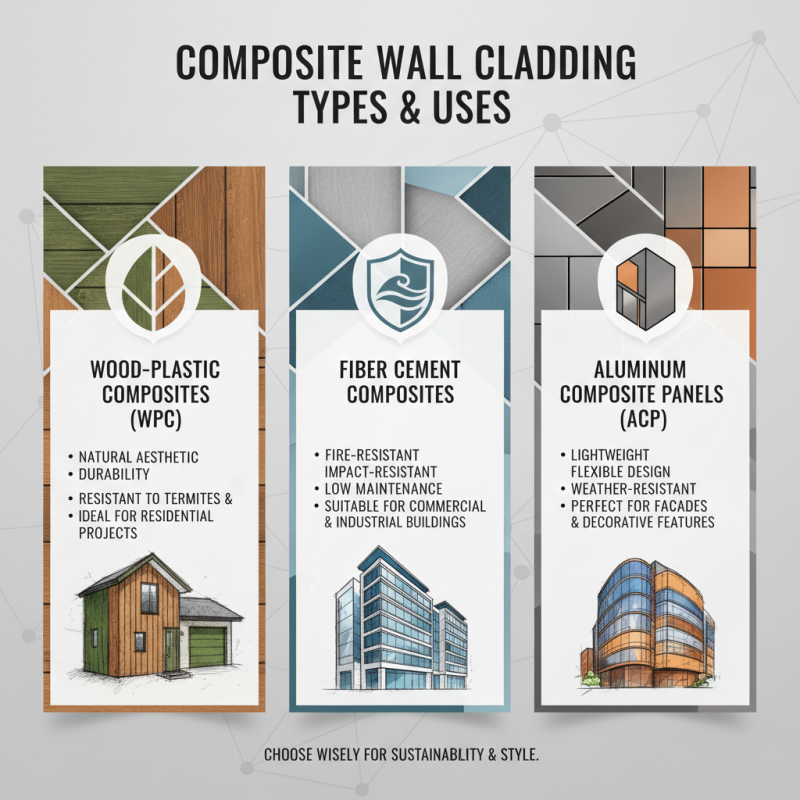
When choosing composite wall cladding, understanding the types available is crucial. Each type serves specific needs in design and functionality. For instance, wood-plastic composites are popular for their natural look. They offer durability and resistance to termites and moisture. Many architects prefer this option for residential projects, blending aesthetic appeal with sustainability.
Another option is fiber cement cladding. This type mimics the appearance of wood or masonry but is much more resilient. It withstands harsh weather and requires little maintenance. Fiber cement is ideal for urban buildings where durability is a priority. However, it can be heavy and require professional installation, which may add to project costs.
Aluminum composite panels are also a noteworthy choice. They are lightweight and come in various colors. These panels are commonly used in commercial buildings. They can be cost-effective due to their easy installation and long lifespan. Yet, they may not provide the warmth that some projects desire. Choosing the right type of composite wall cladding often requires balancing aesthetics, durability, and cost. Each option has its strengths and weaknesses, necessitating careful consideration based on project goals.
Cost Considerations and Budgeting for Wall Cladding Projects
Cost considerations are crucial for wall cladding projects. Budgeting wisely ensures a smooth installation process. The choice of materials impacts overall expenses significantly. Composite wall cladding tends to offer a balance between durability and affordability. However, initial costs can be higher compared to traditional materials.
Consider installation costs, which vary based on complexity. Professional installation may seem costly but can prevent future issues. Hidden expenses could arise from improper measurements or damage during installation. It’s essential to factor in these possibilities when setting a budget.
Think about long-term maintenance costs as well. Some materials require less upkeep, saving money over time. Assessing your project's scope is vital. It may be worth investing more upfront for better quality. Make informed choices based on thorough research and expert advice. Balancing aesthetics and functionality remains crucial while staying within budget constraints.
How to Choose Wall Cladding Composite for Your Project? - Cost Considerations and Budgeting for Wall Cladding Projects
| Material Type |
Cost per Square Meter |
Durability (Years) |
Maintenance Cost per Year |
Environmental Impact |
| Vinyl |
$15 |
20 |
$100 |
Low |
| Aluminum Composite |
$25 |
30 |
$150 |
Moderate |
| Fiber Cement |
$30 |
50 |
$200 |
Moderate |
| Wood Composite |
$20 |
15 |
$120 |
High |
| Natural Stone |
$50 |
100 |
$300 |
Low |
Installation and Maintenance Tips for Composite Wall Cladding
Composite wall cladding is an excellent choice for modern construction projects. When installed correctly, it offers durability and aesthetic appeal. However, proper installation and maintenance are crucial for maximizing its lifespan.
One important tip for installation is to ensure proper ventilation. Research indicates that proper airflow can reduce moisture buildup. Moisture can lead to mold growth, which compromises the integrity of the cladding and underlying structure. A study by the American Society of Civil Engineers states that over 20% of building failures are due to moisture issues. Therefore, always allow space between the cladding and the wall for air circulation.
Maintaining composite cladding is relatively straightforward, but it requires attention. Regular cleaning is essential to prevent dirt and algae buildup. According to the Journal of Building Performance, regular maintenance can extend the cladding's life by up to 15 years. Use mild detergents and soft brushes to avoid scratches. Also, check for signs of wear and tear annually. Addressing small issues before they escalate can save significant costs in the long run.
By prioritizing installation and maintenance, you can enjoy the benefits of composite wall cladding while minimizing potential problems. Embracing these practices ensures your cladding project stands the test of time.