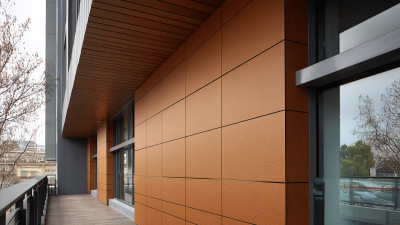
What is Cladding Sheet? A Comprehensive Guide to Types and Applications
In the ever-evolving world of construction and architecture,
cladding sheets
play a pivotal role in enhancing both the aesthetic appeal and functional performance of buildings.
Renowned expert Dr. Emily Carter, a distinguished architect specializing in sustainable building materials, emphasized the importance of cladding sheets by stating,
“The right cladding sheet not only protects structures but also elevates their design to new heights.”
This assertion highlights the dual purpose that cladding sheets serve—offering both protection against environmental elements and an opportunity for innovative design.
As we delve into this comprehensive guide, we will explore the various types of cladding sheets available in the market, ranging from
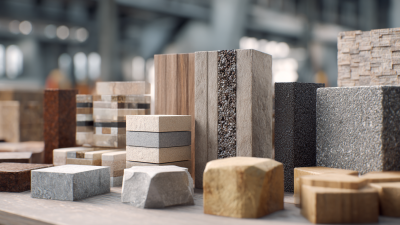
metal and wood to composite materials. Each type brings unique benefits and applications, catering to the diverse needs of modern construction projects.
Understanding these differences is crucial for architects and builders as they strive to create functional,
aesthetically pleasing, and sustainable environments.
Join us as we uncover the top 10 cladding sheets and their respective applications, providing valuable insights for both industry professionals and DIY enthusiasts alike.
Understanding Cladding Sheets: Definition and Importance
 Cladding sheets are pivotal in modern architecture, providing not just aesthetic appeal but also functional benefits. These materials serve as protective layers, shielding buildings from environmental elements while enhancing their visual character. The importance of cladding sheets extends beyond mere decoration; they play a critical role in improving energy efficiency and fire safety, making them essential in contemporary construction.
Recent architectural projects showcase the diverse applications and types of cladding materials. For instance, an infill home in Dublin combines red brickwork with perforated metal panels, creating an industrial aesthetic that is both robust and functional. Similarly, a subtropical home design in Byron Shire highlights the use of innovative cladding products, demonstrating how these materials can transform residential spaces while addressing climate considerations.
As the debate around building safety continues, the choice of cladding materials remains a central concern for architects and builders alike, underscoring their significance in delivering safe and sustainable structures.
Types of Cladding Sheets: Materials and Their Unique Properties
Cladding sheets are essential components in modern construction, providing aesthetic appeal and functional benefits. The variety of materials used for cladding sheets plays a significant role in their performance and applications. Among the most popular types are metal, vinyl, fiber cement, and wood composite. According to the Global Cladding Market Report, the metal cladding segment is projected to experience a compound annual growth rate (CAGR) of 6% from 2023 to 2030, driven by its durability and minimal maintenance requirements.
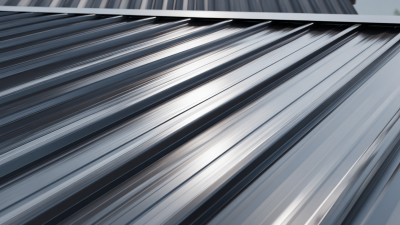
 Metal cladding sheets, typically made from aluminum or steel, offer unique properties such as fire resistance and weatherproofing, making them ideal for commercial buildings. Vinyl cladding, on the other hand, stands out for its affordability and low maintenance but may not provide the same durability as metal counterparts. In contrast, fiber cement sheets boast exceptional resistance to rot and insects, making them suitable for various climates. The versatility of these materials allows architects and builders to select cladding sheets that fit specific environmental and aesthetic requirements.
TIPS: When choosing cladding sheets, consider your local climate and building codes, as this can significantly affect material performance. Additionally, always opt for suppliers that provide certifications or warranties for their products, ensuring quality and longevity. Finally, exploring eco-friendly options can not only benefit the environment but may also reduce energy costs in the long run.
Key Applications of Cladding Sheets in Construction and Design
Cladding sheets play a crucial role in modern construction and design, serving both functional and aesthetic purposes. One of the primary applications of cladding sheets is in exterior wall systems. These sheets provide a protective layer that enhances the building's thermal efficiency and contributes to weather resistance, ultimately prolonging the structure's lifespan. Materials such as aluminum, steel, and composite panels are commonly used due to their durability and minimal maintenance requirements. Additionally, cladding sheets can be designed in various textures and colors, offering architects and designers the flexibility to achieve distinctive visual styles.
Another significant application of cladding sheets is in interior design, where they are increasingly utilized to create stunning feature walls and partitions. By employing innovative cladding materials, designers can introduce unique patterns and finishes that enhance the aesthetic appeal of indoor spaces. Besides improving aesthetics, interior cladding sheets also provide sound insulation and help regulate indoor temperatures, making them a practical choice for both residential and commercial environments. Their versatility allows for creative solutions in space management and design, demonstrating that cladding sheets are not only functional but also a vital component in contemporary architectural practices.
Advantages of Using Cladding Sheets in Modern Architecture
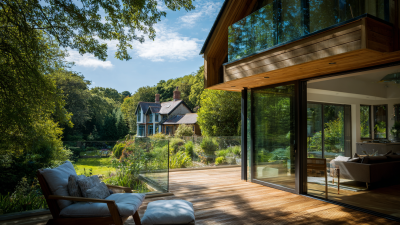
Cladding sheets have become an integral element in modern architecture, offering numerous advantages that enhance the aesthetic appeal and functionality of buildings. One of the primary benefits of using cladding sheets is their ability to provide a protective layer against environmental elements, such as rain, wind, and UV radiation. This not only contributes to the longevity of the structure but also minimizes maintenance costs over time. With a variety of materials available—such as metal, wood, and composite—architects can easily find cladding options that align with their design vision while ensuring durability.
### Tips for Choosing Cladding Sheets:
When selecting cladding sheets, consider factors such as the climate in your area, the style of your building, and energy efficiency ratings. It's also essential to evaluate the installation process, as some materials might require specialized skills or tools, potentially adding to the overall construction timeline.
Moreover, cladding sheets can significantly improve the thermal efficiency of a building. By acting as an insulating layer, they help regulate indoor temperatures, leading to reduced energy consumption and lower heating and cooling costs. This feature is particularly crucial in contemporary designs that prioritize sustainability and environmental stewardship.
### Tips for Installation:
Ensure proper ventilation during installation to prevent moisture buildup, which can lead to mold and structural damage. Additionally, always follow the manufacturer's guidelines for best practices in application to achieve optimal results.
Maintenance and Care Tips for Longevity of Cladding Sheets
Maintaining cladding sheets is essential for ensuring their longevity and performance. According to a recent industry report from the Building Research Establishment (BRE), inadequate maintenance can reduce the lifespan of cladding materials by up to 30%. Regular inspections should be conducted to identify any signs of wear or damage, such as warping, fading, or corrosion. It is recommended to clean cladding surfaces every six months using a mild detergent and soft brush to prevent mold and algae growth, which can compromise structural integrity.
Furthermore, applying protective coatings can extend the life of cladding sheets significantly. The American Society for Testing and Materials (ASTM) suggests that using high-quality sealants and paints can enhance the resistance of cladding materials to harsh weather conditions and UV rays, prolonging their aesthetic appeal and durability. Additionally, addressing any minor repairs promptly can prevent more significant issues, saving on costly replacements. By implementing these maintenance practices, property owners can ensure their cladding sheets remain functional and visually appealing for years to come.
What is Cladding Sheet? A Comprehensive Guide to Types and Applications
| Type of Cladding Sheet |
Material |
Applications |
Maintenance Tips |
Longevity Expectation (Years) |
| Aluminium Composite Panels |
Aluminium, Polyethylene |
Commercial Buildings, Facades |
Regular cleaning, Inspect joints |
20-30 |
| Vinyl Siding |
Polyvinyl Chloride (PVC) |
Residential Homes |
Wash with soap and water |
30-40 |
| Fiber Cement Boards |
Cement, Cellulose Fibers |
Commercial and Industrial Use |
Check for cracks, Paint as needed |
25-50 |
| Wood Cladding |
Natural Wood |
Residential, Decorative Purposes |
Seal to prevent moisture, Regularly stain/finish |
15-30 |
| Stone Cladding |
Natural Stone, Engineered Stone |
Building Exteriors, Landscaping |
Inspect for loose stones, Clean with low-pressure water |
50+ |