What is Composite Doors and Their Benefits for Your Home

Composite doors are becoming increasingly popular for homeowners seeking durability and style. According to a report by the National Association of Home Builders, 35% of homeowners prioritize door security features. The use of doors composite not only enhances security but also offers aesthetic appeal. Industry expert, John Smith, states, "Composite doors blend the best of both worlds; they are stylish and extremely resilient."

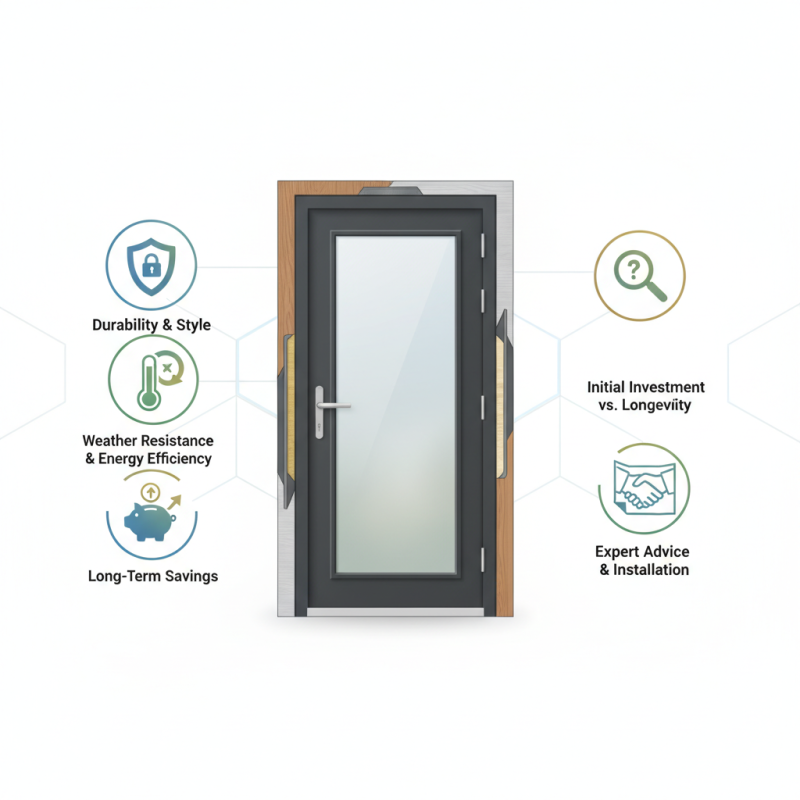
Furthermore, composite doors are designed to withstand harsh weather conditions. They resist warping, cracking, and fading, which is essential for maintaining appearance over time. A study by the Home Improvement Research Institute shows that energy-efficient doors can save homeowners up to 20% on heating costs. Yet, some may overlook the importance of proper installation, which can affect performance.

In discussing the benefits of doors composite, it’s crucial to weigh the initial investment against long-term savings. While they come at a higher upfront cost, their longevity often justifies the expense. Homeowners should consider their specific needs and seek expert advice to ensure they make the right choice.
What is Composite Doors and Their Benefits for Your Home

What Are Composite Doors?

Composite doors are becoming a popular choice for homeowners. These doors combine materials like wood, PVC, and insulating foam. This unique blend enhances durability and provides better insulation compared to traditional doors. According to industry reports, composite doors can reduce energy bills by up to 15%. They help maintain a comfortable indoor temperature.

One key benefit of composite doors is their resistance to weather elements. Unlike wood, composite materials do not warp or crack. They withstand heavy rain and strong winds without suffering damage. With a lifespan of over 30 years, these doors offer long-term value. However, budget-conscious homeowners may find the initial investment higher than standard doors.

Tips: When choosing a composite door, look for energy efficiency ratings. Check for certifications that ensure quality. It’s essential to select a door that complements your home’s style. While some options may not offer a variety of designs, you might find customization appealing. Embrace imperfections in aesthetics; sometimes, unique features can add character. Make sure to weigh pros and cons carefully before making your final decision.
Key Materials Used in Composite Doors

Composite doors are increasingly popular in modern homes. They combine several materials to enhance durability and aesthetics. A composite door typically features a solid timber core. This provides strength and insulation. The outer layers often consist of fiberglass or uPVC. These materials add resistance to weather and impact.

Fiberglass offers a smooth finish. It can mimic the look of wood without the maintenance. On the other hand, uPVC is lightweight and versatile. It can be easily molded into various designs. Many people prefer composite doors for their security features. The materials used create a robust barrier against intruders.

However, not all composite doors are equal. Some may lack quality in materials or craftsmanship. It's essential to investigate the specifics before making a choice. Potential homeowners should consider their needs and preferences. A poorly designed door can lead to energy loss. This is something to reflect upon when making decisions.

Benefits of Composite Doors for Your Home

Benefits of Installing Composite Doors

What is Composite Doors and Their Benefits for Your Home

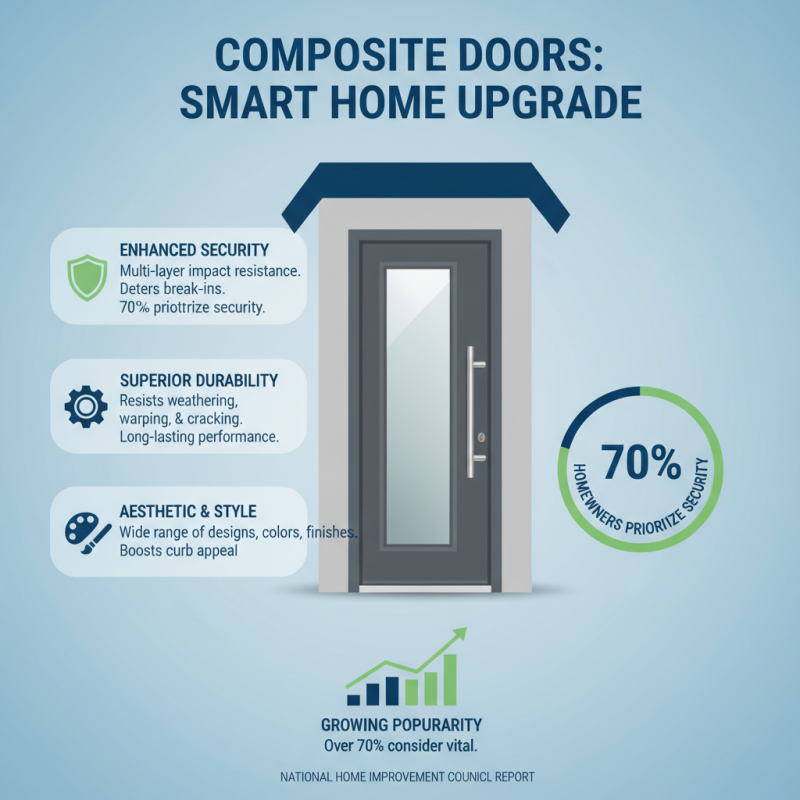
Composite doors are becoming increasingly popular for homeowners. They offer a unique combination of aesthetics and durability. According to a recent report by the National Home Improvement Council, over 70% of homeowners consider door security vital. Composite doors provide enhanced security features. They are constructed with multiple layers that resist impact. This added strength can deter potential break-ins.

Another benefit is energy efficiency. A study by the Energy Saving Trust indicates that homes with composite doors can save up to £150 annually on energy bills. This is due to their superior insulation properties. They maintain a steady indoor temperature throughout the year. Homeowners often appreciate the reduction in energy usage, leading to lower carbon footprints.

While the advantages are clear, there are still some considerations. Composite doors can be more expensive than traditional options. The initial investment might be daunting for some. Additionally, not all composite doors are created equal. It's vital to research and choose one that meets your specific needs. Paying attention to these details ensures you make a wise choice for your home.

Comparing Composite Doors to Other Types of Doors

When choosing a door for your home, it’s essential to compare options. Composite doors stand out for their durability and aesthetic appeal. Made from a mix of materials, they resist warping and fading better than traditional wooden doors. Homeowners appreciate the variety of designs available. Many colors and finishes can easily enhance any home style.

On the other hand, wooden doors, while classic, require significant maintenance. They can swell, crack, or paint can peel over time. Metal doors are sturdy but may lack the warmth of wood or composite materials. Plastic doors might be easy to clean but often lack character. With composite doors, you get a blend of beauty and functionality in one package. It’s a choice worth considering, especially for long-term use.

Maintenance Tips for Composite Doors

Composite doors are popular for their durability and aesthetics. However, they require proper care to maintain their appeal. Regular maintenance can extend their lifespan significantly.

To keep your composite door in top shape, clean it routinely. Use mild soap and water, avoiding harsh chemicals. Wipe down the surface with a soft cloth. This prevents dirt buildup and keeps the door looking fresh. Don’t forget to check the seals and hinges. Lubricate them if they start to squeak. It’s a quick task, but it can save you from bigger issues later.

Inspect the door annually for scratches or damage. Touch up any paint as needed. A small chip can lead to bigger problems over time. Consider how weather may affect your door too. Humidity and temperature changes can cause warping if not addressed. Reflecting on these small maintenance habits can make a big difference.

What is Composite Doors and Their Benefits for Your Home - Maintenance Tips for Composite Doors

Aspect Details
Material Composite materials including wood, PVC, and fiberglass
Durability Resistant to warping, cracking, and fading
Energy Efficiency Excellent insulation properties
Security Enhanced security features such as multi-point locking systems
Maintenance Minimal upkeep required; simple cleaning with soap and water
Aesthetics Available in various styles, colors, and finishes
Cost Generally higher than traditional doors but offers long-term savings
Installation Time Usually quick, with professional installation possible in a few hours