Why Composite Panels Are the Future of Sustainable Building Materials
In the quest for sustainable building materials, composite panels have emerged as a revolutionary solution, reshaping the future of construction. According to a report by Research and Markets, the global composite panels market is projected to grow at a CAGR of 7.5%, reaching an estimated value of $25 billion by 2026. This growth is largely fueled by the increasing demand for lightweight, durable, and eco-friendly materials in various applications, from residential buildings to commercial projects.
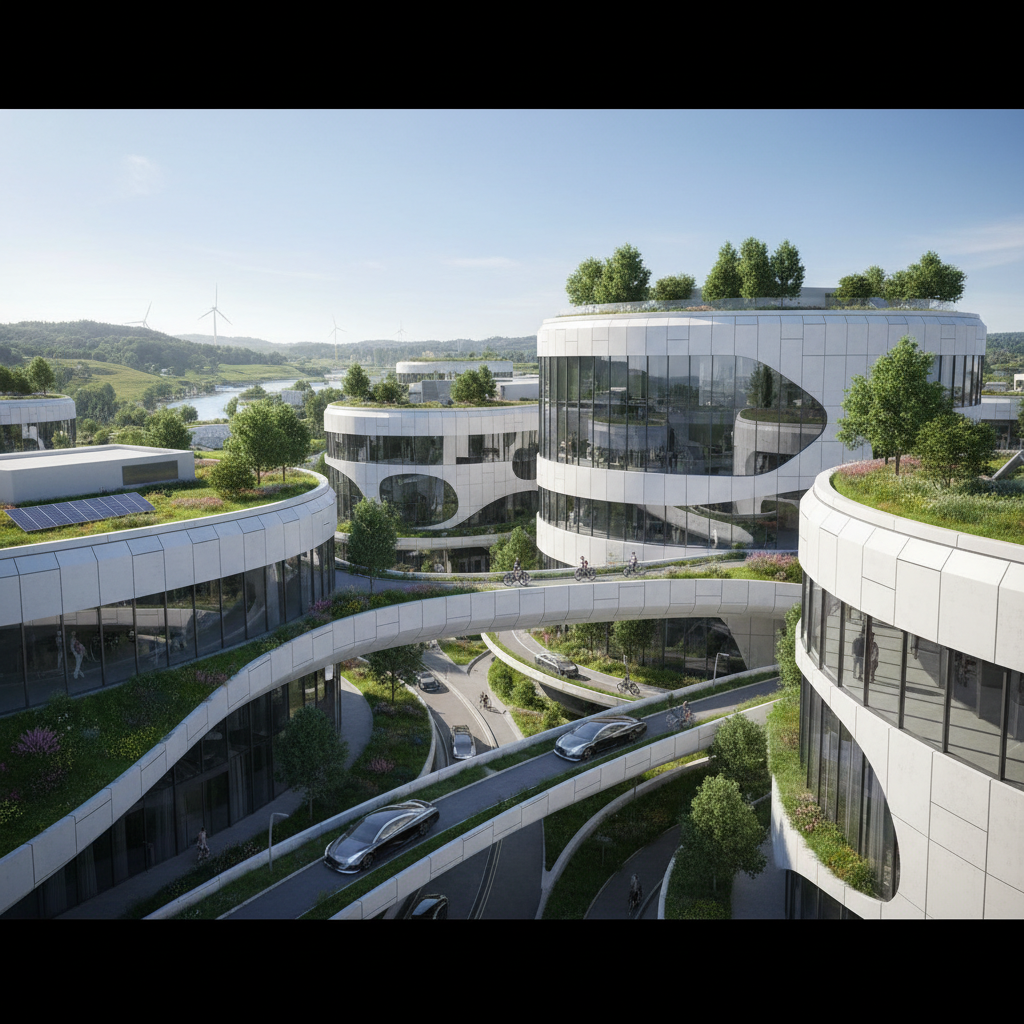 Composite panels, comprised of two or more different materials, offer superior strength-to-weight ratios, making them an ideal choice for modern construction practices aimed at reducing carbon footprints.
Furthermore, the use of composite panels aligns with the industry’s shift toward green building certifications such as LEED and BREEAM. A study by McGraw Hill Construction reveals that 47% of construction firms anticipate a rise in demand for environmentally friendly products over the next five years. This trend underscores the importance of composite materials, which can be tailored to meet stringent environmental regulations while maintaining aesthetic versatility.
The integration of composite panels not only enhances the performance and lifespan of buildings but also plays a pivotal role in addressing sustainability challenges. Thus, as the construction sector pivots towards greener alternatives, composite panels stand at the forefront, representing a harmonious blend of innovation and ecological responsibility.
The Environmental Benefits of Composite Panels in Construction
Composite panels are rapidly gaining recognition as a cornerstone for sustainable building materials in the construction industry. With the construction sector accounting for approximately 39% of global carbon emissions, the shift towards environmentally-friendly materials has become essential. Composite panels, which are typically made from a combination of wood, plastics, and other sustainable materials, present a significant opportunity to reduce waste and lower the overall environmental impact of building projects. Research from the World Resources Institute indicates that using recycled content in composite materials can cut lifecycle carbon emissions by up to 30%.
In addition to lower emissions, composite panels offer remarkable energy efficiency. According to a report by the American Council for an Energy-Efficient Economy (ACEEE), buildings constructed with advanced composite materials can reduce energy consumption by up to 40%. This efficiency is largely due to their superior insulation properties, which help maintain comfortable indoor temperatures with less reliance on heating and cooling systems. Coupled with their durability and resistance to moisture, composite panels represent a sustainable choice that not only benefits the environment but also enhances the longevity and resilience of buildings. As we continue to seek innovative ways to combat climate change, composite panels stand out as a promising solution in the evolution of sustainable construction practices.
Environmental Benefits of Composite Panels in Construction
Innovative Technologies Behind Composite Panel Manufacturing
The manufacturing of composite panels has evolved significantly due to advancements in innovative technologies that prioritize sustainability. These panels, which combine multiple materials to create a stronger, lighter, and more durable product, benefit from processes like resin infusion, vacuum bagging, and precision-cutting techniques. Such methods not only reduce waste but also ensure that the materials used can be sourced sustainably, minimizing the environmental impact of extraction and production.
Moreover, the use of advanced computational design software facilitates the creation of customized composite panels that meet specific performance criteria while maintaining eco-friendly properties. This technology enables manufacturers to simulate and optimize the structural performance of panels before production begins, resulting in efficient use of resources. As a result, the buildings constructed with these panels not only enhance energy efficiency but also support a circular economy by using recycled materials and allowing for easier recycling at the end of their life cycle.
Durability and Longevity: Advantages of Composite Panels
Composite panels are quickly gaining recognition for their
durability and longevity, making them a pivotal choice in the realm of sustainable building materials.
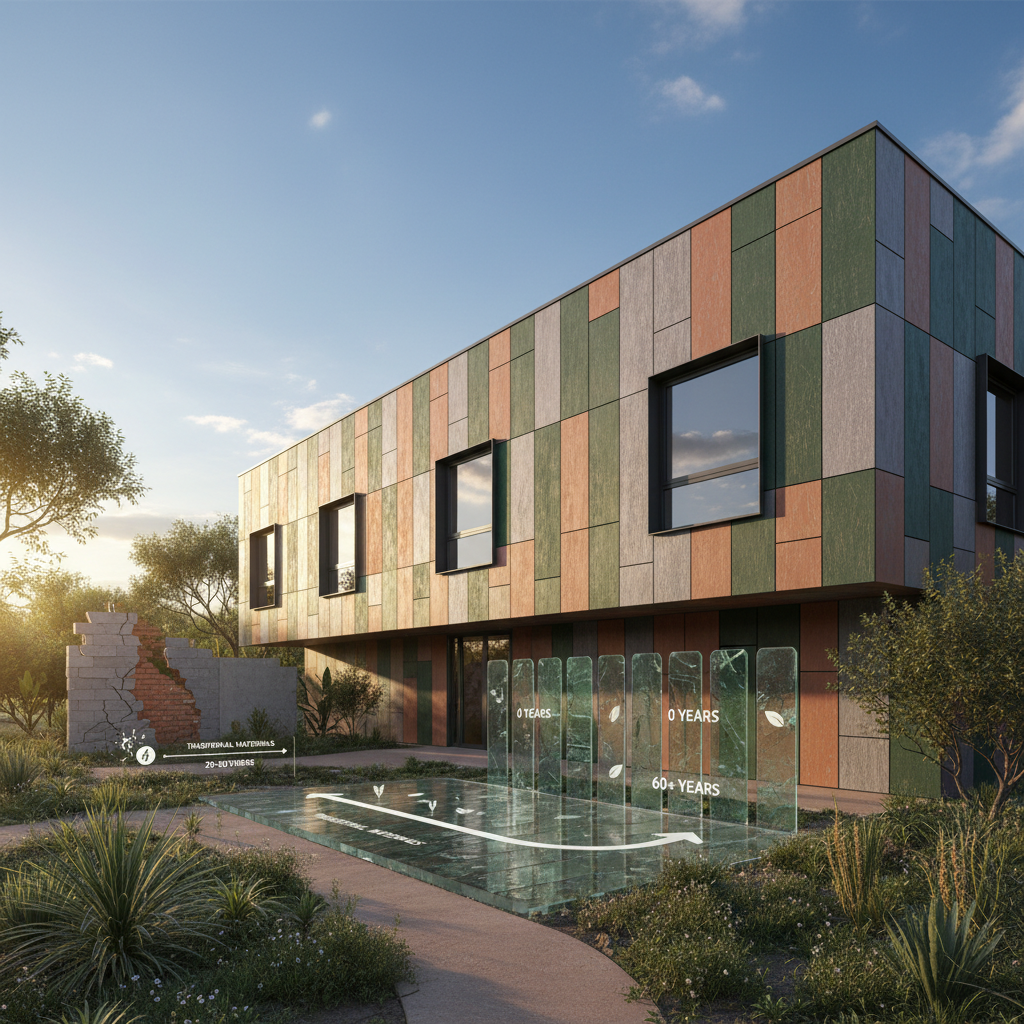
According to a report from the American Institute of Steel Construction, composite materials can outlast
traditional building materials, with a lifespan extending up to 60 years under optimal conditions.
This longevity reduces the need for frequent replacements, which can significantly lower the carbon footprint
associated with manufacturing and transportation of new materials.
In addition to their impressive lifespan, composite panels are designed to withstand various
environmental challenges. A study published by the National Institute of Standards and Technology noted
that composite panels exhibit exceptional resistance to weather, moisture, and pests, which can degrade conventional
materials over time. For instance, composite materials maintain structural integrity and performance even in extreme
temperatures, translating to lower maintenance costs and a decreased need for repairs. Such characteristics not only
enhance the sustainability of buildings but also provide long-term economic benefits to builders and property owners alike.
Cost-Effectiveness: How Composite Panels Save Money in the Long Run
Composite panels are emerging as a cost-effective solution in the realm of sustainable building materials. Their unique construction, which typically combines lightweight materials with high strength, enables significant savings during both construction and maintenance. By reducing the need for additional structural support, composite panels lower initial building costs. Furthermore, their durability means that less frequent repairs and replacements are required over time, leading to long-term financial benefits.
In addition to their durability, composite panels offer excellent insulation properties, which can lead to reduced energy costs. Buildings constructed with these panels typically experience better temperature regulation, minimizing the reliance on heating and cooling systems. This not only cuts energy bills but also aligns with the growing demand for environmentally friendly construction practices. As builders and developers recognize these advantages, composite panels are likely to become a staple in sustainable construction, representing a wise investment for the future.
Why Composite Panels Are the Future of Sustainable Building Materials - Cost-Effectiveness: How Composite Panels Save Money in the Long Run
| Material Type |
Initial Cost ($ per sq. ft.) |
Lifecycle (years) |
Maintenance Cost (per year) |
Energy Efficiency (R-value) |
Total Cost Over 25 Years ($) |
| Composite Panel A |
$5.00 |
30 |
$150 |
R-5 |
$4,950 |
| Composite Panel B |
$6.50 |
25 |
$120 |
R-4 |
$5,280 |
| Composite Panel C |
$7.25 |
20 |
$100 |
R-6 |
$5,200 |
The Role of Composite Panels in Energy Efficiency and Insulation
Composite panels have emerged as a pivotal element in enhancing energy efficiency and insulation in sustainable building practices. According to the U.S. Department of Energy, buildings account for nearly 40% of the nation’s total energy consumption, thereby emphasizing the need for materials that effectively mitigate energy loss. Composite panels, with their multi-layered construction, offer superior insulation properties that can significantly reduce heating and cooling demands. Reports highlight that using high-performance composite panels can decrease energy consumption by up to 30%, making them an invaluable asset in energy-efficient designs.
When selecting composite panels, consider the insulation material's R-value, which denotes resistance to heat flow. Aim for panels with higher R-values to enhance energy performance. Additionally, look for products with low thermal conductivity to prevent energy loss through walls and roofs.
Incorporating composite panels not only leads to cost savings in energy bills but also contributes to a building's overall sustainability. A study by the International Energy Agency indicates that improved insulation can lead to a reduction in greenhouse gas emissions by as much as 50% in the building sector. As the demand for eco-friendly construction materials rises, composite panels stand out as a promising solution for both energy efficiency and insulation needs.