What is Cooler Panels and How Do They Work?
Cooler panels are essential components in modern refrigeration systems. They enhance energy efficiency and maintain optimal temperatures in various applications. According to a recent report by the International Energy Agency, the global demand for cooler panels is expected to grow by 15% over the next five years. This growth highlights their importance in energy conservation.
Renowned industry expert Dr. Samuel Greene states, "Cooler panels are revolutionizing how we approach temperature management." His insights reflect a shift toward more sustainable practices in cooling technologies. Cooler panels not only improve refrigeration performance but also reduce environmental impact.
Despite their advantages, the market faces challenges. Not all products meet stringent energy performance criteria. Manufacturers must ensure compliance with evolving regulations. These factors call for continuous innovation and reflection on best practices to navigate the cooler panel industry's complexities effectively.

What are Cooler Panels?
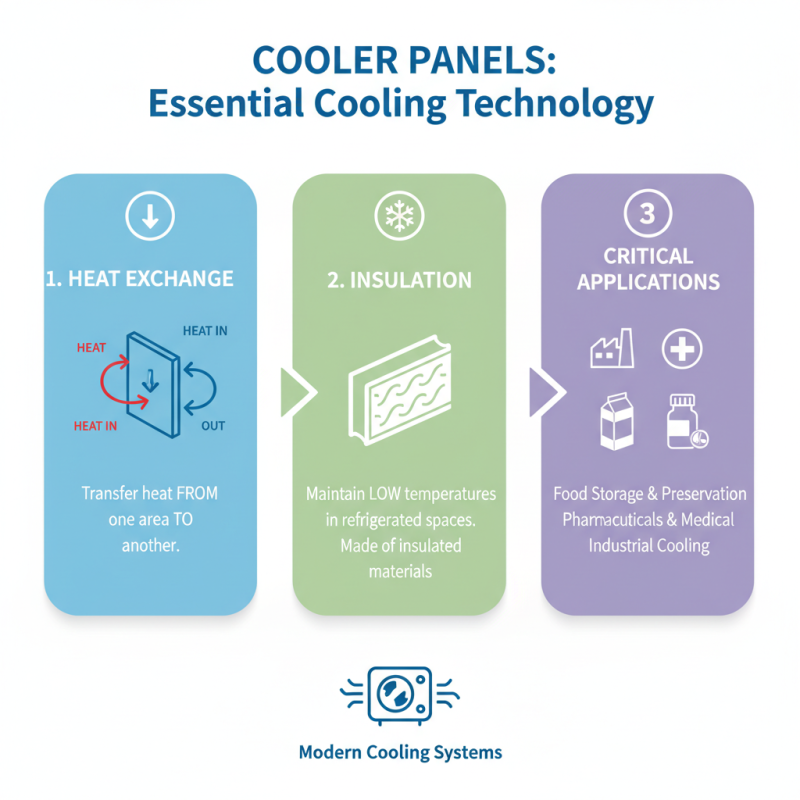
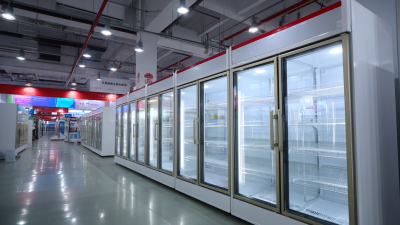
Cooler panels are essential components in modern cooling systems. They function through the principles of heat exchange, which involves transferring heat from one area to another. Typically made of insulated materials, cooler panels help maintain low temperatures inside refrigerated spaces. This technology is critical in various industries, including food storage and pharmaceuticals.
These panels work by using a refrigerant to absorb heat. As the refrigerant circulates, it changes from liquid to gas. This process draws heat away, effectively cooling the air inside. The design and materials used can influence efficiency, so choosing the right specifications is vital. Inadequate insulation can lead to energy loss, wasting resources and compromising safety.
While cooler panels offer many advantages, they also present challenges. Proper installation and maintenance are crucial. A poorly installed panel might lead to uneven cooling or condensation issues. Users often overlook these factors, leading to dissatisfaction. Addressing these shortcomings can enhance performance and reliability, making cooler panels a smarter choice for temperature-sensitive applications.
The Composition and Materials Used in Cooler Panels
Cooler panels are essential components used in refrigeration systems. They play a vital role in controlling temperature and preserving perishable goods. The materials used in these panels significantly impact their effectiveness.
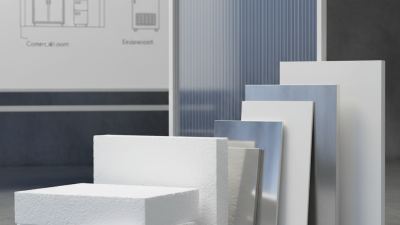
Typically, cooler panels consist of an inner and outer layer, sandwiched around insulating material. Commonly, these outer layers are made from metals like aluminum or galvanized steel, chosen for their durability. The inner core usually contains polyurethane foam or polystyrene, known for their excellent thermal insulation properties. These materials reduce heat transfer, maintaining a consistent internal temperature.
While cooler panels are efficient, the choice of materials isn’t without challenges. Different insulation materials have various environmental impacts, and performance can be affected by humidity and temperature fluctuations. This point often gets overlooked, yet it is crucial for achieving optimal efficiency.
As technology advances, ongoing research aims to develop more sustainable and effective materials for cooler panels. Such improvements are necessary to meet growing demands for energy efficiency in refrigeration solutions.
How Cooler Panels Function in Cooling Systems
Cooler panels play a critical role in the efficiency of cooling systems. They are made of materials that have high thermal conductivity, allowing heat to dissipate quickly. According to the International Energy Agency, buildings can account for 40% of global energy usage. Effective cooling panels can reduce this percentage significantly, especially in hot climates.
These panels function by enhancing natural or mechanical ventilation. They work by absorbing heat from air or fluids that pass over their surface. The heat is then dissipated into the environment, lowering the temperature of the surrounding air or water. In some cases, they can lower temperatures by up to 15 degrees Fahrenheit. Such efficiency can lead to reduced energy consumption.
However, not all cooler panels perform the same. Factors such as material quality and installation can affect their effectiveness. A recent study showed that improperly installed panels can lose up to 30% of their cooling capacity. This statistic emphasizes the need for proper installation and maintenance. Over time, even quality panels can experience wear and tear, impacting their functionality and reliability. Regular assessment of cooler panels is essential for optimal performance.
What is Cooler Panels and How Do They Work? - How Cooler Panels Function in Cooling Systems
| Feature |
Description |
Benefits |
Applications |
| Material |
Typically made from insulated panels such as EPS or XPS foam. |
High thermal resistance, reducing energy costs. |
Used in refrigerators, freezers, and temperature-controlled spaces. |
| Function |
Provide insulated barriers to maintain desired temperatures. |
Improved energy efficiency and consistent temperature control. |
Cold storage, agriculture, pharmaceuticals. |
| Installation |
Panels can be easily assembled on-site or pre-fabricated. |
Quick setup, reducing labor costs and time. |
Modular cold rooms and walk-in freezers. |
| Maintenance |
Low maintenance requirements due to durable materials. |
Cost-effective upkeep and longevity. |
Food storage, industrial cooling systems. |
Advantages of Using Cooler Panels
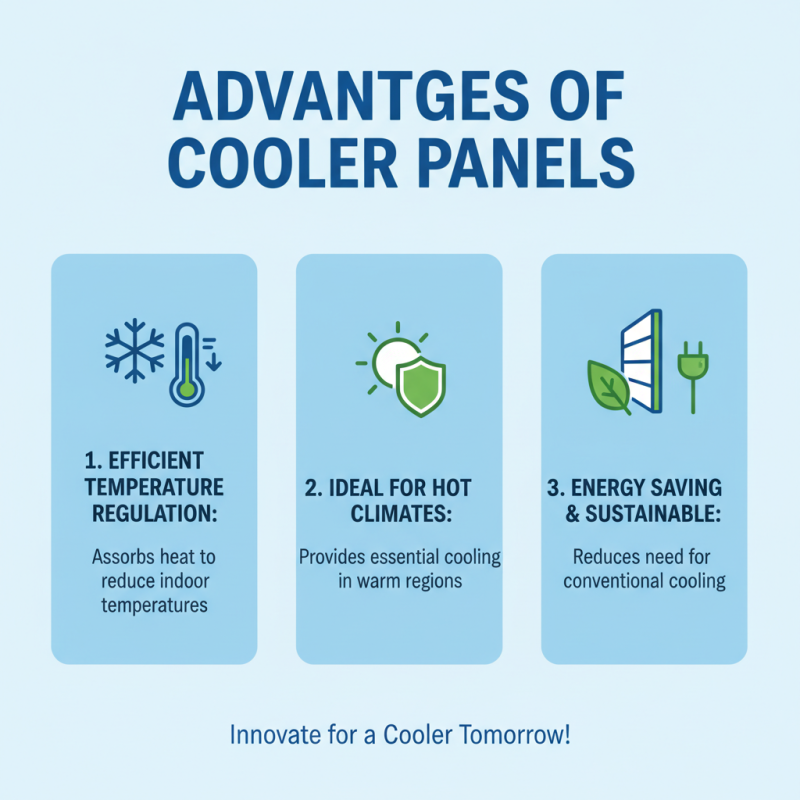
Cooler panels have gained popularity due to their efficiency in temperature regulation. These panels consist of materials designed to absorb heat and reduce indoor temperatures. They are especially effective in hot climates where cooling solutions are needed.
One major advantage of using cooler panels is their energy efficiency. They can lower energy consumption by minimizing the need for air conditioning. This can lead to significant cost savings over time. Additionally, cooler panels contribute to a more sustainable environment. Their insulating properties reduce heat loss or gain. This helps maintain a comfortable space while lessening the carbon footprint.
Another benefit lies in their versatility. Cooler panels can be used in various settings, from homes to commercial buildings. However, their effectiveness can vary based on installation and proper maintenance. Some users might struggle with achieving the best results without expert advice. Ultimately, while cooler panels offer great advantages, careful consideration is necessary for optimal use.
Installation and Maintenance of Cooler Panels
Cooler panels are an essential component in cooling systems, particularly for industrial and commercial use. Their installation requires careful consideration of the environment. Ensuring proper airflow and insulation is crucial. Additionally, the quality of the panels greatly influences overall efficiency. According to a report from the American Society of Heating, Refrigerating and Air-Conditioning Engineers (ASHRAE), a poorly installed panel can reduce system efficiency by up to 30%.
Maintenance is equally important. Regular inspections help identify issues early. Dirt or damage can significantly impair functionality. Notably, a study published in the International Journal of Refrigeration highlighted that routine maintenance can extend the lifespan of cooler panels by 40%. It's vital to check seals and insulation regularly. Neglect can lead to increased energy consumption and higher operational costs. Remember, effective performance demands ongoing attention and effort.