2026 How to Choose Wall Composite Cladding for Your Next Project?
In the evolving world of architecture, choosing the right materials is crucial. Wall composite cladding has gained popularity for its durability and aesthetic appeal. As industry expert James H. Parker once said, "Selecting the right wall composite cladding is key to a project’s success." This statement underscores the importance of making informed choices.
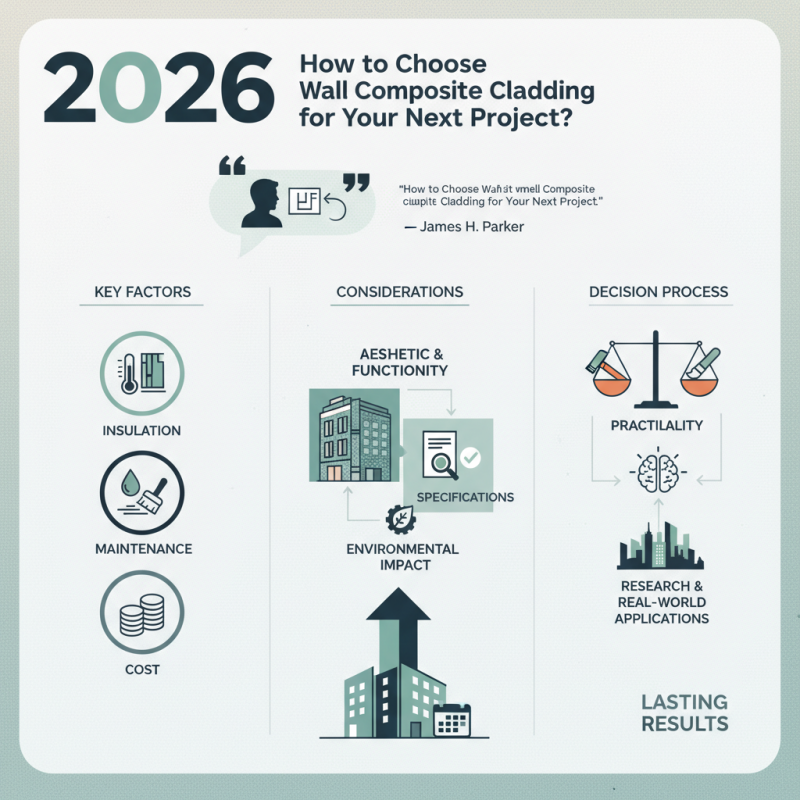
When considering wall composite cladding, factors like insulation, maintenance, and cost come into play. It’s not just about appearance; it’s about functionality too. Many overlook the environmental impacts of their choices. This can lead to regret later. Look closely at the specifications to ensure they meet your project needs.
Choosing wall composite cladding often involves balancing style and practicality. While many options look great, not all will perform well over time. Research and reflection on real-world applications are essential. Mistakes can be costly, making it vital to get it right the first time. The decision process may be complex, but the right approach will yield lasting results.
Understanding Wall Composite Cladding: Key Features and Benefits
Wall composite cladding has gained popularity due to its durability and aesthetic appeal. This material is often made from a blend of wood fibers and polymers. According to industry reports, composite cladding can reduce maintenance costs by up to 50% compared to traditional materials. This makes it an appealing choice for many construction projects.
The key features of wall composite cladding include resistance to rot, insects, and moisture. Unlike wood, composite materials do not warp or splinter easily. However, not all products are created equal. Some may fade or discolor over time with exposure to sunlight. Quality varies significantly across the market. It’s essential to evaluate various options carefully to ensure long-term performance.
Environmental impact is another critical factor. Many composite products are designed to be more sustainable. They often incorporate recycled materials, reducing waste in landfills. However, emissions during production can still be a concern. Prospective buyers should seek transparency from manufacturers regarding the lifecycle of their products. Balancing aesthetics, functionality, and sustainability requires thorough research and analysis.
Types of Wall Composite Cladding Materials: A Comparative Overview
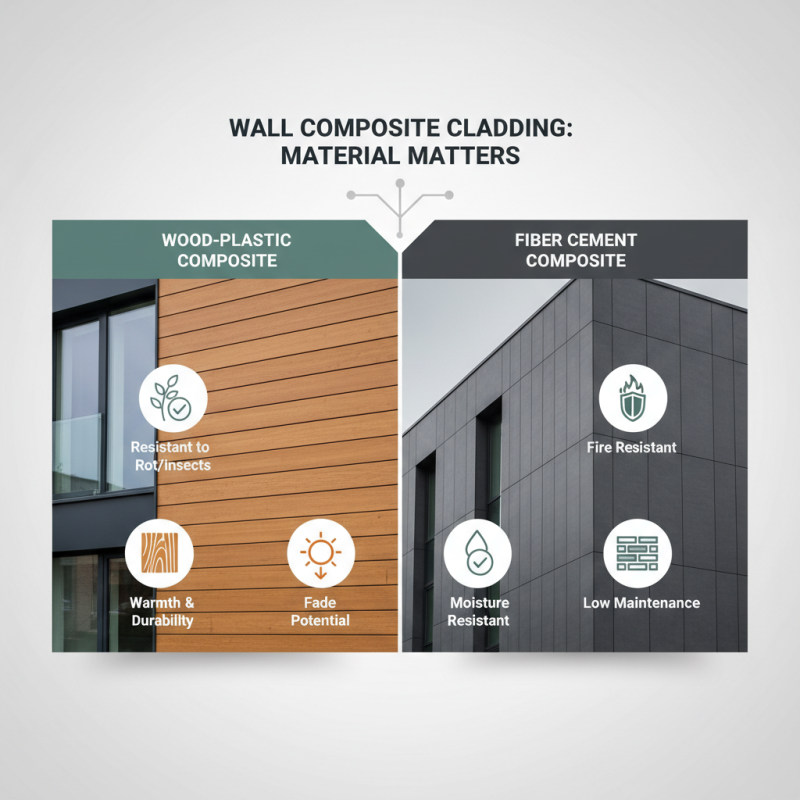
When choosing wall composite cladding, the material greatly influences the final aesthetic and function. There are several types available. Each offers distinct characteristics. Wood-plastic composites combine the warmth of wood with the durability of plastic. They resist rotting and insects, but can be prone to fading.
Metal composites are another option. They provide a sleek, modern look. These materials are often lightweight and resistant to fire. However, they can be more expensive and may require regular maintenance. Then there are fiber cement options. These are known for their strength and ability to mimic different textures. Yet, they can be heavy and challenging to install.
While exploring these materials, consider their environmental impact. Some composites are less sustainable than others. Additionally, the installation process can be complex. Always weigh the benefits against the drawbacks. Investing time in research can lead to better decisions.
Factors to Consider When Selecting Wall Composite Cladding
Choosing wall composite cladding involves various critical factors. A recent industry report indicates that about 45% of construction projects face challenges due to material selection. This can lead to delays and increased costs. Knowing what to prioritize can guide your decision.
Durability is a key consideration. Many composite materials resist weathering and require less maintenance. However, some options may not perform well in extreme climates. Research shows that cladding that combines recycled materials can improve both sustainability and lifespan.
Aesthetic appeal matters too. Color, texture, and finish influence the overall look of a structure. According to design surveys, 70% of architects believe that the visual impacts of cladding are crucial. It’s easy to get caught up in trends, but timeless options often yield better long-term value. Balancing innovation with practicality is essential in every project.
Installation Techniques for Wall Composite Cladding
When considering installation techniques for wall composite cladding, it’s essential to start with proper surface preparation. A clean and even substrate is crucial. This means checking for any moisture issues or structural weaknesses. Skipping this step can lead to problems later. Moisture can warp the cladding over time. Ensuring your walls are dry will save you headaches.
Next, choosing the right fastening method is key. Many installers prefer mechanical fastening, which offers robust stability. Others may opt for adhesive methods, depending on the project's requirements. Each technique has its advantages and drawbacks. For instance, adhesives can be quicker but might not hold up as well under stress. Take time to weigh these options.
Lastly, always think about expansion and contraction. Composite materials shift with temperature changes. Leaving proper gaps is often overlooked but is vital. A small oversight can lead to buckling or gaps appearing later. Remember that attention to detail at every stage matters. It’s easy to rush, but taking your time will yield a better outcome. Reflect on these techniques as you prepare for your next project.
2026 Wall Composite Cladding Installation Techniques
Maintenance Tips for Longevity of Wall Composite Cladding
Proper maintenance is essential for maximizing the longevity of wall composite cladding. According to a report by the North American Wood Fiber Review, regular cleaning can extend the lifespan of composite materials by up to 30%. Simple tasks like wiping down surfaces with mild soap and water can prevent dirt buildup and staining. This is important because prolonged exposure to grime can lead to moisture retention, which damages the material over time.
In addition to cleaning, inspecting for damage should be a routine task. A study from the International Journal of Building Performance notes that early detection of issues can save up to 50% on repair costs. Look for cracks or loose panels. These imperfections can lead to more significant problems if not addressed promptly. It's also wise to avoid heavy impact on the cladding surface, as this can introduce structural weaknesses.
Remember, all wall composite cladding requires some level of upkeep. Regular maintenance might seem time-consuming, but it prevents extensive damage. Neglecting these tasks now could lead to costly repairs later. Aim for a balance between aesthetics and functionality to ensure that your investment ages gracefully.