2026 How to Choose Wall Doors for Your Space Needs?
Choosing the right wall doors for your space can significantly impact both aesthetics and functionality. Wall doors serve as vital elements that enhance the utility of any room. They offer privacy and style while maximizing space. Understanding your specific needs is essential.
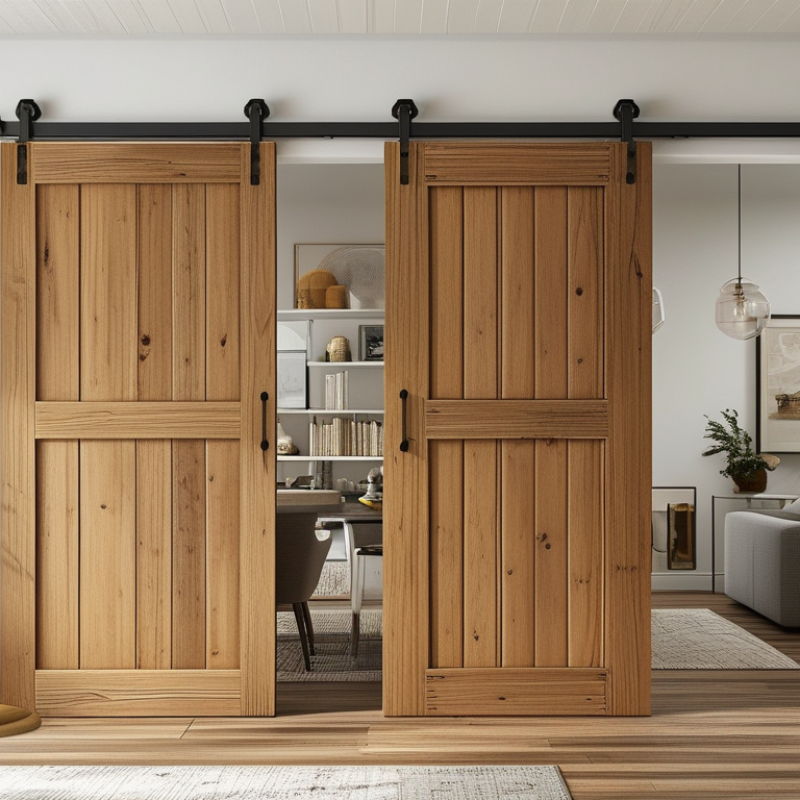
Consider the type of wall doors that align with your design vision. Do you prefer sliding, pocket, or hinged doors? Each has unique advantages and drawbacks. For example, sliding doors save floor space but may not provide sufficient soundproofing. On the other hand, hinged doors can take up more room but offer better access and sound isolation.
Reflecting on your choices can lead to better decision-making. Evaluate the materials too. Wooden wall doors provide warmth and elegance, while metal options offer durability and modern appeal. Always prioritize quality and function when making your selection. Your space deserves wall doors that not only fit but also enhance its character.
Understanding Different Types of Wall Doors and Their Applications
Choosing wall doors for your space requires careful thought about their types and uses. Many people overlook how vital wall doors are in optimizing space and enhancing aesthetics. A report by the American Institute of Architects highlights that well-chosen wall doors can improve energy efficiency by up to 20%. This is essential for sustainable design.
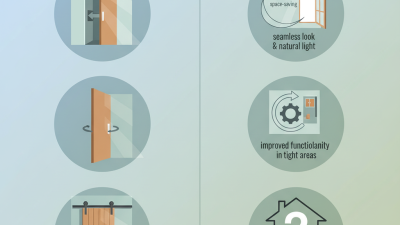
Different types of wall doors serve various purposes. Pocket doors slide into the wall, saving room. They are useful in tight spaces, like small apartments or offices. Bi-fold doors are great for creating flexible spaces, as they can open to connect rooms. Their design allows for easy access and can encourage natural light. However, homeowners often ignore the material selection, which impacts durability and maintenance. A robust door typically lasts longer and offers better insulation.
Customization is another factor to consider. Many spaces have unique requirements. This could mean customized dimensions for non-standard openings. However, contractors may face challenges with installation, which can lead to costly adjustments later. The decision-making process can be overwhelming. Understanding your needs is crucial to avoid common pitfalls, such as selecting doors that compromise structural integrity. It is always beneficial to seek expert guidance in the planning phase.
Assessing Your Space Requirements for Optimal Wall Door Selection
Assessing your space requirements is crucial when choosing wall doors. Start by measuring the dimensions of the area. Pay attention to ceiling height and floor space. These factors will influence the door size and type. For instance, a compact room may benefit from pocket doors. They slide into the wall, saving space while adding functionality.
Consider daily activities and traffic flow. High-traffic areas need durable doors. Wood or metal options might suit these environments. Aesthetics also matter; the door should complement your decor. Reflect on how natural light can enhance the space. Clear glass doors allow for brightness without sacrificing privacy.
Don't forget about accessibility. Ensure door placement accommodates everyone. This may highlight gaps in your current layout. It's important to reassess needs regularly as circumstances evolve. This reflection will lead to more informed choices in wall door selection. Aim for a balance between practicality and design for the best outcomes.
Material Choices: Comparing Durability and Aesthetic Qualities of Wall Doors
When choosing wall doors, material selection plays a crucial role in both durability and aesthetics. Wood is a traditional choice, known for its warmth and versatility. According to the American Wood Council, well-maintained wood doors can last over 30 years, but they require regular upkeep to prevent warping and damage from moisture. In contrast, metal doors offer superior durability and security, often featuring finishes that resist scratches and weathering. A report from the Steel Door Institute indicates that steel doors can last over 50 years under the right conditions.
Fiberglass doors represent a more modern option, combining durability with a wood-like appearance. They resist dents and rust, making them ideal for areas with extreme weather. However, some users may find that fiberglass doors lack the authentic feel of wood. The Home Improvement Research Institute notes that while fiberglass doors can last up to 30 years, aesthetic qualities may diminish over time without proper care.
When considering these options, it's essential to reflect on the specific needs of your space. Each material has its strengths and weaknesses. Will you prioritize durability, or is aesthetic appeal more critical for your project? The decision you make will significantly impact both functionality and the overall vibe of your environment.
Comparing Durability and Aesthetic Qualities of Wall Door Materials
Cost Analysis: Budgeting for Wall Doors in Residential and Commercial Spaces
Choosing wall doors for your space requires careful budgeting. Understanding the costs can significantly affect your decisions. In residential settings, expect to spend between $500 and $2,000 per door, depending on the style and materials used. For commercial spaces, prices may rise to between $1,000 and $5,000, influenced by factors like durability and accessibility requirements. These budget ranges can seem overwhelming, yet knowing your limits can drive more informed selections.
Considerations about installation costs are also crucial. Labor fees may add an extra $200 to $800, varying by region. In some cases, you might also need special features like fire ratings or soundproofing, which can inflate costs. Aim to account for these elements in your overall budget.
When planning your budget, look for quality over aesthetics. A cheaper door may not hold up in the long run. Sustainability is another factor to include in your expenses. Evaluate whether materials are eco-friendly or locally sourced. Such choices may cost more upfront but can save money and resources in the long term. Remember, investing wisely today ensures a functional and stylish space tomorrow.
2026 How to Choose Wall Doors for Your Space Needs? - Cost Analysis: Budgeting for Wall Doors in Residential and Commercial Spaces
| Type of Wall Door |
Material |
Cost per Unit ($) |
Installation Cost ($) |
Total Cost Estimate ($) |
| Sliding Door |
Wood |
500 |
150 |
650 |
| Bi-Fold Door |
Glass |
800 |
200 |
1000 |
| Pocket Door |
Composite |
600 |
180 |
780 |
| French Door |
Steel |
700 |
220 |
920 |
| Accordion Door |
Plastic |
300 |
100 |
400 |
Installation Considerations: Professional vs. DIY Approaches to Wall Doors
When considering wall doors, the installation method is crucial. Many homeowners debate between hiring professionals or opting for a DIY approach. According to industry reports, around 70% of individuals prefer professional installation due to the precision and expertise involved. Professional installers can ensure that wall doors align perfectly, reducing the risk of future issues.
On the DIY side, there are potential savings but also challenges. A survey found that 40% of DIY projects encounter issues that require professional help afterward, leading to increased costs. It’s essential to assess your skills against the project’s complexity. If uncertainties arise, don't hesitate to reach out for expert advice.
For those leaning toward DIY, consider these factors: measure your space accurately, choose the right material for your wall door, and allow sufficient time for the installation process. Miscalculations can lead to poor fit or alignment issues. Remember, some mistakes are simply learning opportunities, but others may require professional intervention, which can negate initial savings.