What is the Importance of Building Panels in Modern Construction?
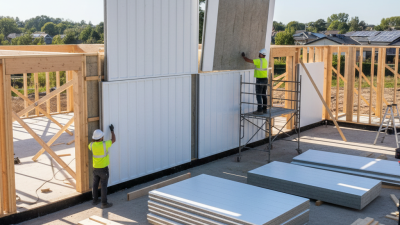
In today's construction landscape, building panels play a crucial role. These panels are prefabricated components that enhance efficiency and streamline the construction process. They can be made from various materials, including wood, metal, and composite materials. This variety enables builders to choose panels that best meet the specific needs of a project.
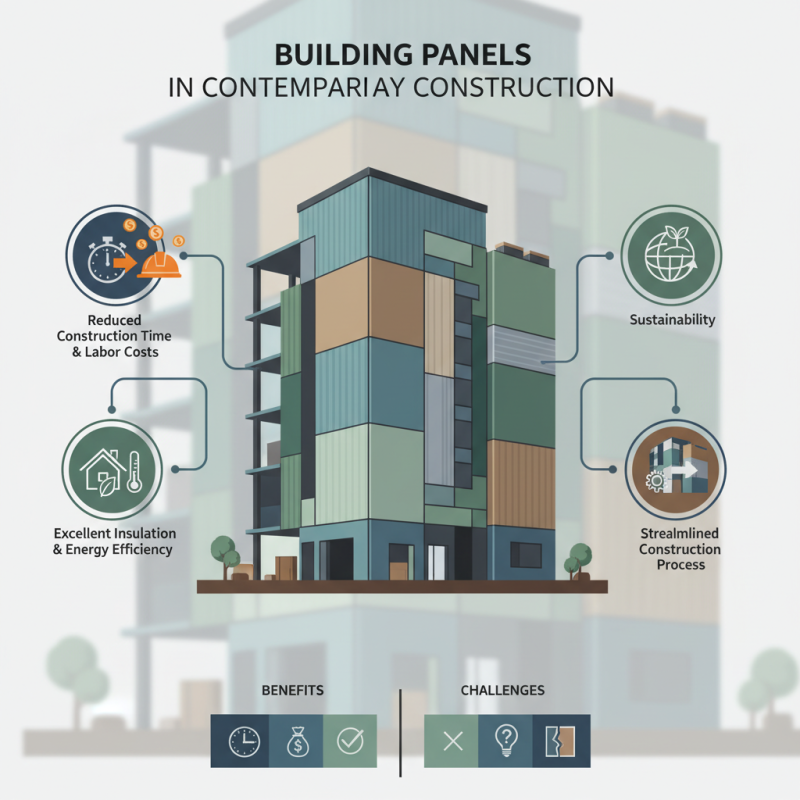
Building panels offer several advantages. They reduce construction time and labor costs significantly. Additionally, these panels provide excellent insulation properties, leading to energy efficiency. Many modern structures rely on this technology for sustainability. However, there are challenges associated with their use. Not all panels are created equal, and some may not perform as expected.
The importance of building panels in modern construction cannot be overstated. As more builders seek innovative solutions, understanding their impact is essential. This exploration reveals both the benefits and the considerations that come with using building panels. It is a topic that encourages reflection on our methods and choices in construction.
The Role of Building Panels in Enhancing Energy Efficiency in Construction
Building panels play a crucial role in modern construction. They enhance energy efficiency significantly. These panels act as the building blocks, creating insulated walls that reduce energy consumption. According to the U.S. Department of Energy, proper insulation can save up to 30% on heating and cooling costs. That's a substantial figure for both homeowners and builders.
Moreover, building panels come in various materials, including wood, metal, and composite. Each type has unique benefits. For instance, foam panels can offer superior insulation. On the other hand, structural insulated panels (SIPs) provide high strength and quick installation times. While choosing materials, it’s essential to analyze environmental impacts and long-term durability.
**Tips:** When selecting building panels, consider their R-value, which measures thermal resistance. Higher R-value means better insulation. Don’t overlook the importance of air sealing, as it can drastically improve energy efficiency. Regular maintenance can also prolong the lifespan of panels. Certain designs may look appealing but fail in performance. It’s vital to reflect on how aesthetics can influence energy usage. Make informed choices to balance style and efficiency.
What is the Importance of Building Panels in Modern Construction? - The Role of Building Panels in Enhancing Energy Efficiency in Construction
| Building Panel Type |
Material |
Thermal Resistance (R-Value) |
Air Leakage Rate (cfm/ft²) |
Sustainability Rating |
Application Areas |
| Structural Insulated Panels (SIPs) |
Expanded Polystyrene (EPS) |
R-3.5 to R-6.5 per inch |
<0.2 |
LEED Certified |
Residential, Commercial |
| Insulated Concrete Forms (ICFs) |
Concrete with Insulation |
R-22 to R-30 |
<0.1 |
Energy Star Rated |
Residential, Multifamily |
| Precast Concrete Panels |
Reinforced Concrete |
R-1.3 to R-2.5 |
<0.15 |
Sustainable Practices |
Commercial, Industrial |
| Wood Frame Panels |
Engineered Lumber |
R-13 to R-21 |
<0.3 |
FSC Certified |
Residential, Light Commercial |
Advantages of Modular Building Panels in Reducing Construction Time
Modular building panels are transforming modern construction practices. These panels offer significant advantages in reducing construction time. A report by the Modular Building Institute highlights that modular construction can cut project timelines by up to 50%. This efficiency not only accelerates completion but also minimizes labor costs.
Using prefabricated panels leads to less on-site work. This reduction in site activity can decrease safety risks as well. According to a study from McKinsey, construction projects often suffer delays. More than 60% of projects exceed their original timeline. Modular panels address this challenge effectively. They ensure smoother workflows, as many components are pre-made.
However, not all modular solutions fit every project. Some projects may not fully benefit from this approach. Site-specific conditions can complicate assembly. Moreover, the upfront investment in modular technology can be significant. So, while the speed and efficiency are appealing, it's essential to weigh these factors carefully.
Efficient and innovative, modular building panels have the potential to reshape construction, but challenges remain.
Sustainability in Modern Construction: The Impact of Eco-Friendly Panels
Eco-friendly panels play a vital role in modern construction. They help reduce the carbon footprint of buildings. These panels are made from sustainable materials, minimizing waste. They also offer excellent insulation, cutting energy costs. Many builders are now opting for panels that are recyclable and renewable. The use of such materials aligns with global sustainability goals. However, not all eco-friendly panels perform equally.
Some panels may not withstand extreme weather conditions. Their durability is often an area of concern. This raises questions about their long-term effectiveness. Are we truly achieving our sustainability goals with these products? Additionally, the initial costs can be high for some types of eco-friendly panels. This often deters smaller builders from using them.
Despite these challenges, the benefits are significant. Eco-friendly panels can be a game changer in reducing energy consumption. They connect construction to the wider environmental movement. By prioritizing their use, we can make strides toward sustainable architecture. However, careful consideration is needed in choosing the right materials. This reflection is essential to ensure sustainability is truly achieved in modern construction.
Importance of Building Panels in Modern Construction
This chart illustrates the various types of eco-friendly building panels used in modern construction and their corresponding market share. The data emphasizes the growing importance of sustainable materials in the industry.
Cost Analysis: Building Panels vs. Traditional Construction Methods
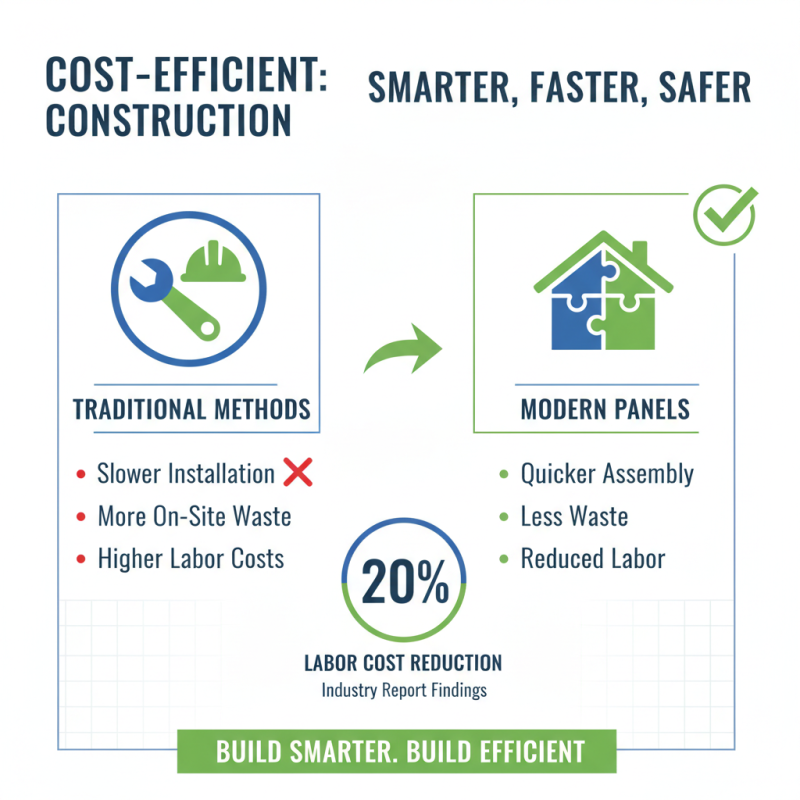
Cost efficiency is a significant factor in modern construction. Building panels often present a more economical option compared to traditional methods. According to industry reports, companies using building panels can reduce labor costs by up to 20%. This is due to quicker installation times and less waste generated on-site.
Traditional construction can be labor-intensive and time-consuming. In contrast, building panels allow for streamlined assembly. A study from the Construction Industry Institute indicates that projects using panels can be completed 30% faster. This speed can be crucial in meeting tight deadlines. However, some professionals question the durability of these panels compared to traditional materials.
There are initial costs to consider as well. While upfront expenses for panels can be higher, savings in labor and time can outweigh these costs. The National Institute of Building Sciences states that over a 20-year period, using panels may lead to a 15% reduction in overall project costs. Despite these advantages, some industry players remain skeptical about long-term performance and maintenance needs. Regular evaluations are essential to ensure that building panels meet ongoing structural demands.
Future Trends: Innovations in Building Panel Technology and Materials
Building panels have revolutionized modern construction. Their lightweight design allows for faster installation and reduced labor costs. Innovations are constantly emerging, enhancing energy efficiency and sustainability. For instance, some panels now incorporate solar technologies directly into their structure. This development opens new avenues for green building practices.
Another exciting trend is the use of advanced materials. Biocomposite panels made from natural fibers are gaining traction. They are durable yet less harmful to the environment. Some designs even feature self-healing properties, which can extend the lifespan of structures. However, these technologies are not without their challenges. They can be expensive to produce and may require specialized installation techniques.
In the quest for smart buildings, panels integrated with sensors are being explored. These can monitor structural integrity and environmental conditions. Yet, the complexity of such systems may lead to maintenance issues in the future. Balancing innovation and practicality is essential. As building panels continue to evolve, the industry must reflect carefully on these advancements. Embracing change while addressing potential pitfalls is key.