Why Are Cladding Panels Essential for Modern Building Design?
Cladding panels play a crucial role in modern architecture. They are more than just aesthetic elements; they provide essential protection and insulation. According to industry expert John Smith, "Cladding panels are the skin of a building, influencing its durability and energy efficiency." His statement captures the importance of these materials.
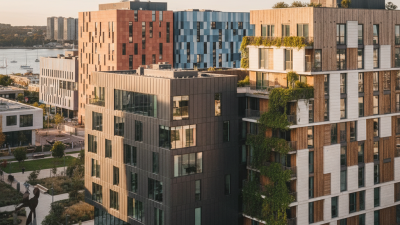
In urban landscapes, cladding panels can transform a structure's character. They define the building’s style while enhancing functionality. With a variety of designs and materials, architects can express creativity. However, this creativity must be balanced with sustainability. Choosing the right cladding materials is essential for reducing environmental impact.
Many forget that cladding panels also require maintenance. Over time, weathering can affect their performance. It's a reminder that while they add beauty, they also need care. The challenge lies in finding durable options that combine style with practicality. Balancing these elements is key for future building designs.
Importance of Cladding Panels in Modern Architecture
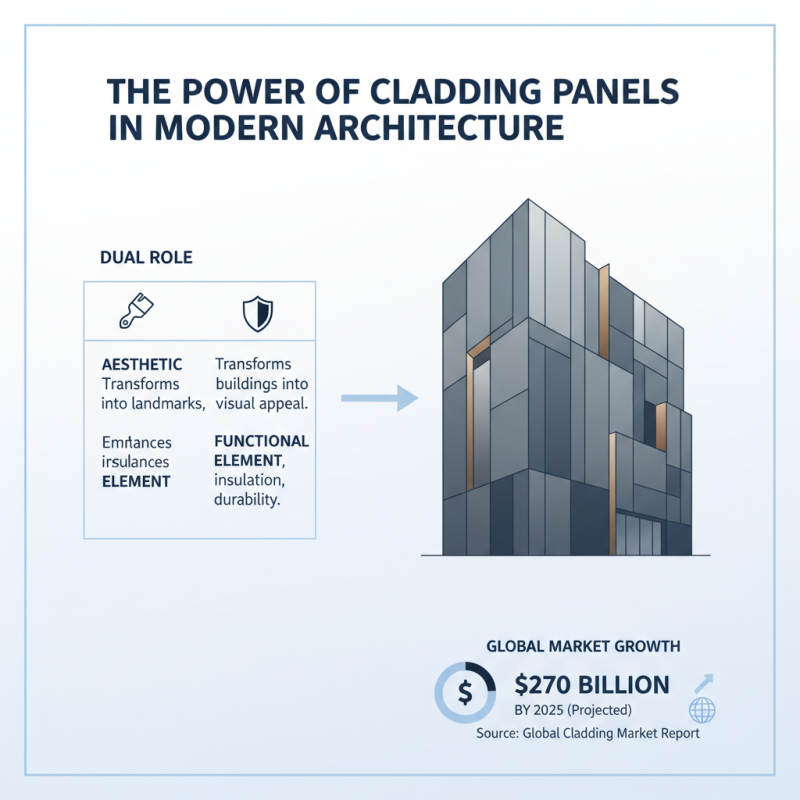
Cladding panels play a crucial role in modern architecture. They serve not only as an aesthetic feature but also as a functional element. According to the Global Cladding Market Report, the industry will reach approximately $270 billion by 2025. This increase highlights their importance in contemporary design. Cladding panels enhance the visual appeal of a structure. They can transform a simple building into a stunning landmark.
The benefits of cladding go beyond beauty. These panels offer insulation, weather resistance, and sustainability. A study by the American Institute of Architects reveals that buildings with effective cladding systems can reduce energy consumption by up to 30%. But there are challenges. Poor choice of materials can lead to insulation issues or water damage. Architects must carefully evaluate options to avoid these pitfalls.
Designers often face pressure to innovate while maintaining functionality. The balance between style and practicality can be difficult to achieve. Many projects struggle with budget constraints, leading to compromised quality. In some cases, the cladding is chosen for its appearance rather than its performance. This can have serious long-term implications. Therefore, the selection process requires thorough research and consideration.
Types of Cladding Materials and Their Benefits
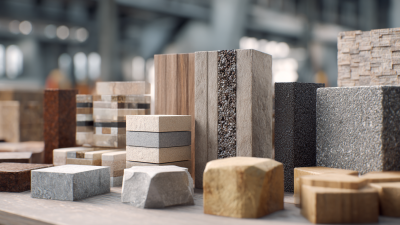
Cladding panels play a vital role in modern building design. They provide both aesthetics and functionality. Various materials are used for cladding, each with unique benefits.
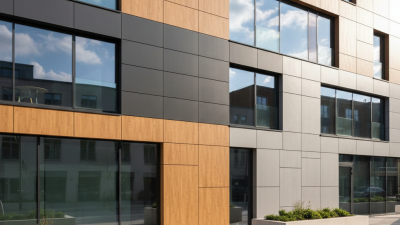
Wood panels offer a natural look and warmth. They can create a cozy atmosphere. However, maintenance can be a challenge, as they are prone to rot and weather damage. Consider your local climate when choosing wood.
Metal cladding is popular for its durability. It can withstand harsh weather conditions. Also, it reflects modern design trends. Yet, metal can conduct heat. This can lead to increased energy costs if not insulated properly.
Tips: Always check insulation needs if you opt for metal. Aesthetic and energy efficiency should work hand in hand. Additionally, explore composite materials. They can provide the look of wood without the extra maintenance.
Functional Roles of Cladding in Building Performance
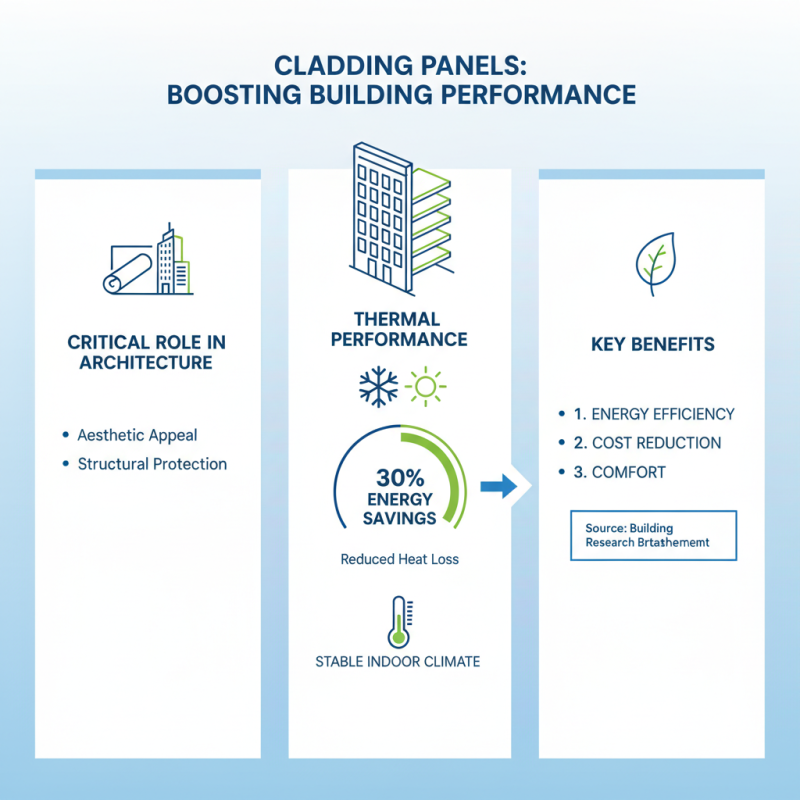
Cladding panels play a critical role in modern architecture. They significantly impact a building’s thermal performance. According to the Building Research Establishment, proper insulation can cut energy costs by 30%. Cladding reduces heat loss, maintaining a stable indoor climate. For instance, an effective exterior layer can improve energy efficiency by acting as a barrier against cold or hot weather.
Acoustic performance is another essential function of cladding. Noise pollution can diminish comfort levels in urban environments. A study from the National Institute of Standards and Technology shows that well-designed cladding can reduce noise levels by up to 25 decibels. This is crucial for residential buildings near busy roads. However, achieving this requires careful material selection and design.
Moreover, aesthetics matter in building design. The visual appeal of cladding can enhance property value. It can reflect the identity of a community. Yet, using too many materials can lead to visual chaos. There is often a fine line between creativity and confusion in design choices. Balancing form and function is vital in the selection of cladding materials.
Aesthetic Contributions of Cladding to Building Design
Cladding panels play a crucial role in modern building design. They enhance the aesthetic appeal of structures, providing a unique identity. These panels come in various materials, colors, and textures, helping architects create visually striking facades. According to the National Institute of Building Sciences, nearly 60% of a building’s visual impact comes from its exterior finishes.
Choosing the right cladding can dramatically change a building's appearance. For instance, a sleek metal panel can convey a sense of modernity, while rustic wood cladding may give a more earthy feel. This versatility allows for creative expression in architectural design. A recent survey indicated that 70% of architects prioritize aesthetic qualities when selecting cladding materials.
**Tip:** Consider local climate when choosing cladding. Some materials hold up better in specific weather conditions. Research is key. Always balance aesthetics with functionality. Remember, cladding also impacts energy efficiency and maintenance. Multiple studies show that proper insulation can reduce heating costs by up to 30%. Ensure that your choices reflect both beauty and practicality.
Why Are Cladding Panels Essential for Modern Building Design?
Sustainability Considerations in Cladding Choices
Sustainable building practices are gaining ground in modern architecture. Cladding panels play a vital role in this evolution. They not only enhance aesthetics but also serve crucial functional purposes. According to a recent report by the World Green Building Council, over 40% of global energy usage stems from buildings. This statistic underscores the importance of selecting materials wisely.
The choice of cladding materials directly impacts sustainability. For instance, materials like recycled metal or timber can reduce the carbon footprint. Studies indicate that buildings utilizing sustainable cladding can lower energy consumption by up to 30%. However, not all styles of cladding meet these standards. Trusting brands might lead to complacency; relying solely on marketing claims without proper assessments can be risky.
Moreover, climate resilience is a significant factor in cladding choices. In areas prone to harsh weather, durability becomes essential. Some cladding may not perform well over time, leading to potential degradation. This situation raises questions about longevity and ongoing maintenance. Architects must consider both aesthetic value and sustainability together, ensuring cladding choices align with long-term environmental goals.
Why Are Cladding Panels Essential for Modern Building Design? - Sustainability Considerations in Cladding Choices
| Cladding Material |
Environmental Impact |
Insulation Performance |
Cost per Square Meter |
Lifespan |
| Wood |
Renewable, carbon sequestering |
Moderate |
$50 - $100 |
50 years |
| Aluminum |
Recyclable, energy-intensive production |
High |
$70 - $120 |
40 years |
| Brick |
Natural, low embodied energy |
High |
$80 - $150 |
100 years |
| Fiber Cement |
Durable, low maintenance, some recycled content |
Moderate |
$60 - $110 |
50 years |
| Stone |
Natural, very durable |
Very High |
$100 - $200 |
100+ years |