Discover Modular Capsule Houses at China Import and Export Fair?
The Modular Capsule House concept has gained attention for its innovative approach to modern living. Designed for efficiency and flexibility, these homes can adapt to various locations and lifestyles. At the upcoming China Import and Export Fair, visitors will have the chance to explore these unique structures.
The fair will showcase advances in manufacturing and design, with a focus on sustainable living. The Modular Capsule House exemplifies this trend, offering smart solutions for urban environments. However, there are challenges to consider. The affordability and accessibility of these homes may not yet meet everyone’s needs.
Attendees will witness cutting-edge technology and design principles. The introduction of AI at the fair promises to enhance the experience, allowing visitors to navigate seamlessly. While the Modular Capsule House is an exciting innovation, it is essential to reflect on its broader implications on society and living spaces.
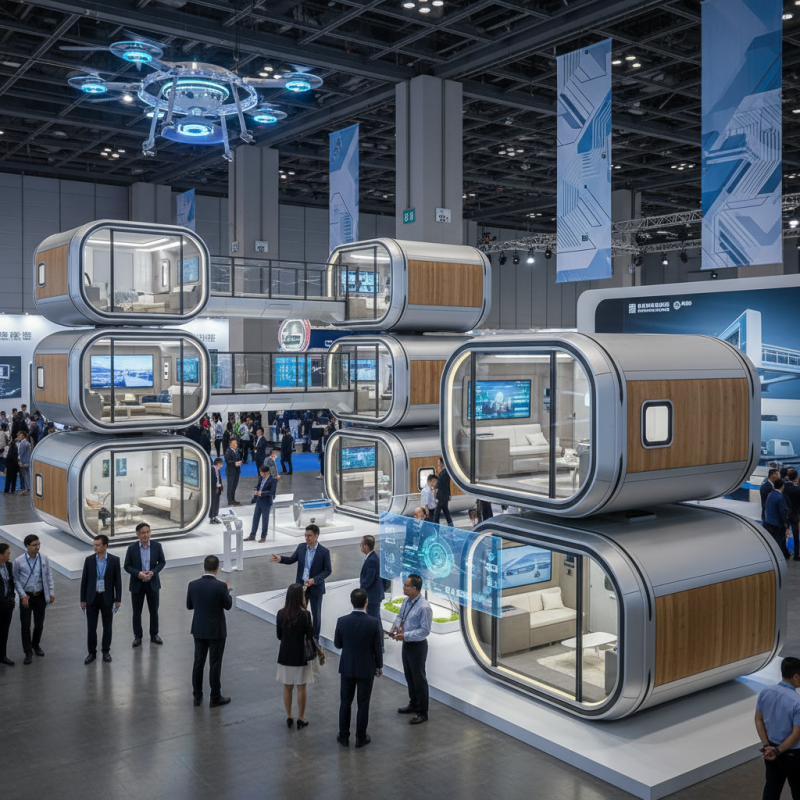
Exploring Modular Capsule Houses: An Overview
Modular capsule houses are gaining attention at the China Import and Export Fair. These compact living spaces promise efficiency in urban settings. Typically, they occupy less square footage than traditional homes. Industry reports indicate that modular housing could reduce construction time by up to 50%. This efficiency benefits both builders and potential homeowners.
These houses offer flexible designs. They can be customized for different needs, such as studios or small family units. Key features often include sustainable materials and energy-efficient systems. A recent study highlighted that modular homes can reduce energy costs by approximately 30%. This figure appeals to sustainability-conscious consumers.
Tips for considering modular capsule houses include assessing your space needs first. Have realistic expectations about living in smaller areas. Research local zoning laws, as they vary significantly. Always look for builders with solid reputations. Many new designs are fascinating, but choose wisely. There are many options, and not all fit every lifestyle.
Key Features of Modular Capsule Design
Modular capsule houses are gaining attention at the China Import and Export Fair. These innovative designs offer several key features that stand out. First, they maximize space efficiency. A typical capsule can range from 10 to 30 square meters. This compact design makes them ideal for urban environments. According to industry reports, the global modular construction market is expected to reach USD 157 billion by 2023. The demand for affordable housing drives this trend.
The sustainability of modular capsule houses is another appealing feature. Many units use eco-friendly materials and focus on energy efficiency. Reports indicate that modular construction can reduce construction waste by up to 30%. This sustainability aspect resonates with younger consumers who prioritize green living. However, the challenge remains. Not all designs consider local climates adequately. Insulation and ventilation issues can arise.
Customization is a significant trend in modular capsule design. Buyers want options for layouts and finishes. This flexibility can lead to improved customer satisfaction. Yet, not all manufacturers offer enough personalization. There’s a fine line between mass production and customization. Some designs miss the mark, lacking true innovation. Balancing cost and creativity remains a challenge in the industry.
Key Features of Modular Capsule Houses
Sustainability in Modular Housing Solutions
The concept of modular capsule houses is gaining traction, particularly at events like the China Import and Export Fair. These innovative structures offer unique solutions to housing needs. Their design emphasizes efficiency and sustainability, promoting minimal waste during construction and housing use.
Sustainability is at the forefront of modular housing solutions. Builders can quickly assemble these homes, reducing the carbon footprint. Materials used are often eco-friendly and sourced sustainably. However, challenges remain. Not all designs meet stringent environmental standards. Some capsule houses may not withstand harsh weather well, requiring careful consideration.
These homes often boast compact living spaces. They encourage a simpler lifestyle, appealing to many urban dwellers. Yet, living in smaller spaces can be tricky. Residents may struggle with clutter and lack of privacy. It’s vital to find balance in such innovative housing solutions. Embracing sustainability means addressing these hurdles while creating practical living environments.
The Impact of Modular Houses on Urban Living
Modular houses are changing urban living. These compact structures offer flexibility and efficiency. With their unique designs, they can fit into diverse city landscapes. Imagine a cozy space that unfolds within hours. Such innovation can address housing shortages. Yet, it raises questions about quality and sustainability.
Living in a modular house can be a double-edged sword. On the one hand, they are a solution to skyrocketing real estate prices. On the other hand, concerns about durability linger. How well do these units stand up to time and weather? The city's character may also shift with such modern designs. Traditional aesthetics might clash with new builds.
Urban areas are under pressure. More people need housing, and modular designs could help. But this approach may not work for everyone. Community dynamics could change as new populations move in. Will these houses create a sense of belonging or isolation? Thoughtful integration is essential for future urban living.
Showcasing Innovations at the China Import and Export Fair
At the China Import and Export Fair, innovation meets practicality. The display of modular capsule houses captures attention. These compact living spaces redefine modern architecture. They offer sustainable solutions for urban living amidst increasing population density. The design prioritizes efficient use of space without sacrificing comfort.
Visitors can witness the versatility of these structures. Each module can be customized to suit different needs. Yet, there are challenges. How do we ensure these homes remain affordable? Are we sacrificing community spaces for convenience? These are questions that linger.
The fair serves as a platform for dialogue and feedback. It's a place to explore both possibilities and limitations. Attendees engage in discussions about sustainability and design ethics. The capsule houses may offer innovative solutions, but critical examination is necessary. Balancing innovation with practicality remains a work in progress.