Top Silver Travertine Types Uses and Prices
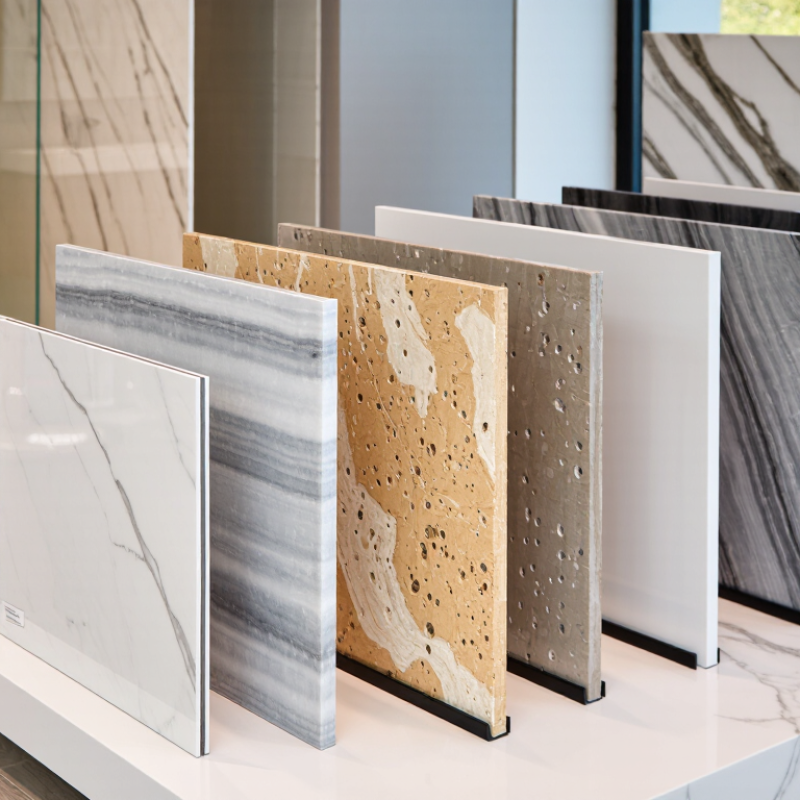
Silver Travertine can look cool, layered, and quietly dramatic, but slabs vary more than showroom lighting suggests. Some show soft silver-gray bands; others carry beige patches, open pores, or darker mineral marks. These differences shape the stone’s appearance, maintenance needs, and price. Look closely. A polished sample may feel sleek, while a honed finish softens glare and reveals a more natural surface.
For this overview, Elena Rossi is presented as an editorial stone-expert voice, not a quoted external authority. Her original guide-specific observation is: “Choose Silver Travertine by the slab, not by the label; its veining and filled pores change the whole impression.” That is useful advice, though it does not replace checking the actual material. Ask suppliers about finish, filling, thickness, grading, and whether the quoted price includes fabrication or installation.
This guide compares common Silver Travertine types and their practical uses, from bathroom walls to floors and patios. It also explains why prices shift with slab selection, finish, origin, and local labor. A pale, evenly veined batch may cost more than a mixed lot, but higher price alone does not guarantee a better fit. Bring home a sample. View it beside your grout, cabinetry, or outdoor paving, then inspect it in daylight. Even careful comparisons have limits: one sample cannot show every variation in a full shipment.
What Silver Travertine Is and How It Forms
Silver travertine is a variety of travertine, a rock made mostly of calcium carbonate. Its silver, gray, and sometimes beige tones come from the stone’s mineral content and formation conditions. “Silver” is a trade description, not a precise geological category. Color can shift noticeably between blocks.
The stone forms when calcium-rich water reaches the surface, often around mineral springs. As carbon dioxide escapes from the water, calcium carbonate settles in thin layers. Tiny plant fragments, microbes, and trapped sediment can add texture and faint color changes. Over time, these deposits build into porous stone, sometimes marked by small cavities and uneven bands. The process is natural, not perfectly uniform.
Not always.
A slab’s appearance can therefore vary even when it comes from the same quarry. Gray veins may cross a pale field, while small holes reveal how the layers formed. The name can mislead; two pieces labeled silver travertine may look quite different. For a reliable description, examine the actual sample in daylight and ask about its finish and filled or unfilled surface. A photograph alone may hide subtle shifts in tone and texture. That limitation is worth remembering.
Key Types of Silver Travertine and Their Features
Silver travertine is usually grouped by shade and vein pattern, though names can vary between suppliers. Light silver has a pale grey base with soft white or beige movement. It can brighten a narrow hallway, but may show dirt more readily near an entrance. Classic silver sits in the middle range, with grey bands and occasional warm brown marks. Dark silver has deeper charcoal tones and stronger contrast. Subtle, but useful. Check several pieces together; one tile rarely shows the full color range of a batch.
Cut direction changes the pattern. Vein-cut stone displays long, parallel lines, which can make a wall or floor feel more linear. Cross-cut stone shows cloud-like, rounded markings instead. Neither is automatically better; the room’s scale and lighting matter. A polished surface can sharpen the colors, while a honed finish looks quieter and less reflective. Tumbled finishes feel softer underfoot, though their edges and texture may collect more grime.
Pores may be filled for a smoother surface or left open for a more textured look. Filled stone is generally easier to wipe clean, while unfilled stone needs more careful sealing and routine attention. I would not choose by color alone; that shortcut can mislead. View a sample in the room’s actual light, and ask whether the quoted material is filled, sealed, and finished as shown. Even two nearby slabs can differ.
Silver Travertine: Typical Material Price Ranges by Finish
Indicative material-only retail ranges are shown in US dollars per square foot. Honed stone is commonly used for floors and walls, while tumbled and brushed finishes are popular for a more textured look. Actual prices vary by stone grade, tile size, thickness, supplier, and location; installation is not included.
Common Uses in Indoor and Outdoor Design
Silver travertine brings cool gray, beige, and occasional brown movement into indoor spaces. In bathrooms, honed tiles work well on walls and floors, where their soft surface feels less glossy than polished stone. Use smaller pieces in shower floors for more grout lines and better footing. Still, no stone finish guarantees slip resistance when soapy or wet.
For kitchens and living areas, larger tiles create a quieter look, while filled travertine is easier to wipe than an open-pore finish. Seal it as recommended for the specific stone, and clean spills promptly; acidic foods can dull calcite-based stone. The veining varies from tile to tile. A sample board helps, though it may not show every variation.
Outdoors, silver travertine can suit patios, pool surrounds, and garden paths when the finish and installation match the climate. Check drainage, surface texture, and local freeze-thaw conditions with an experienced installer. Water trapped in pores may cause trouble in freezing weather. A slightly imperfect edge can look natural, but inconsistent thickness makes installation harder. Ask to inspect several pieces before ordering.
Top Silver Travertine Types Uses and Prices - Common Uses in Indoor and Outdoor Design
| Type or finish | Typical appearance | Common indoor uses | Common outdoor uses | Indicative material price (US$ per sq. ft.) |
| Cross-cut silver travertine | Cloud-like, mottled pattern with softly blended gray and beige tones. | Flooring, bathroom walls, fireplace surrounds, and feature walls. | Patios and covered outdoor areas when the product and finish are suitable for the climate. | $8–$20 |
| Vein-cut silver travertine | More linear bands; the direction of the bands depends on the cut and installation layout. | Statement walls, backsplashes, flooring, and shower walls. | Wall cladding and selected paving applications. | $9–$22 |
| Filled and honed | Natural voids are filled and the surface is smooth with a low sheen. | Interior floors, bathroom floors, countertops, and wall surfaces. | Some sheltered exterior applications; confirm slip resistance and weather suitability before use. | $10–$24 |
| Unfilled and tumbled | Open natural pits and a softly aged, textured surface. | Rustic-style floors, kitchen backsplashes, and selected bathroom walls. | Walkways, patios, and garden paving where a textured look is desired. | $8–$18 |
| Brushed or textured pavers | Matte, tactile surface; typically supplied in thicker formats for paving. | Entryways and indoor-outdoor transition areas. | Patios, pool surrounds, and paths, subject to local slip and freeze-thaw requirements. | $10–$25 |
Prices are broad indicative US retail ranges for stone material only; they exclude installation, shipping, taxes, and substrate preparation. Actual prices vary with thickness, format, grade, finish, origin, and supplier. Travertine is a porous natural stone: sealing and routine care may be needed. For outdoor or wet areas, check the specific product’s slip performance, drainage requirements, and suitability for local freeze-thaw conditions.
What Affects Silver Travertine Prices
Silver travertine prices reflect more than the stone’s color. Buyers pay for consistency, usable slab area, thickness, finish, and the amount of natural filling or repair. Pale silver slabs with even movement may cost more than mixed lots with brown bands or open pits. Details matter. Ask to inspect several slabs from the actual shipment, not only a small sample.
The USGS 2024 Mineral Commodity Summaries valued U.S. dimension-stone production at about $460 million in 2022. This category covers many stone types, so it is not a silver-travertine price benchmark. It does show why quarry yield, processing, and trade conditions matter. Large slabs can require careful extraction and more handling; broken edges, voids, or heavy resin treatment may reduce usable yield. A polished finish, honed surface, or filled face also changes processing costs.
Transport and fabrication can shift the final quote sharply. Travertine is heavy, and overseas freight, crating, local cutting, and installation add separate costs. Compare quotes using the same thickness, finish, slab dimensions, and delivery terms. A cheap square-foot rate can hide waste or finishing charges. Not always. Also allow for natural variation: the delivered stone may differ from the display sample, even when both come from the same lot.
How to Choose the Right Silver Travertine for Your Project
Choosing silver travertine starts with the room, not the color name. Silver travertine can range from cool gray to taupe, with fine bands, cloudy patches, or open pits. For a calm floor, look for a consistent pattern across several slabs. A bold-veined selection may suit a fireplace or feature wall better. Honed finishes feel smooth and understated; tumbled surfaces have softer edges and a more rustic look. Check the finish in the room’s actual lighting. A small sample can look much cooler beside a sunny window.
Match the stone to its use. For busy floors or kitchen areas, ask about filling, sealing, and routine care, then compare those needs with your maintenance habits. Outdoors, confirm that the chosen finish and stone are suitable for local weather and installation conditions. Prices vary with grade, thickness, finish, slab size, and shipping distance, so compare like-for-like quotes rather than price per square foot alone. Request photos of the actual lot, and inspect several pieces for shade variation, filled holes, and edge quality. Details matter. One common mistake is choosing from a polished sample, then receiving a softer, more varied batch. Even careful selection cannot make natural stone perfectly uniform.