Sternum Saw Tips for Safe and Effective Use?
The use of a Sternum Saw is crucial in certain surgical procedures. This specialized tool aids in accessing the chest cavity effectively. Understanding its proper use is vital for both safety and efficiency.
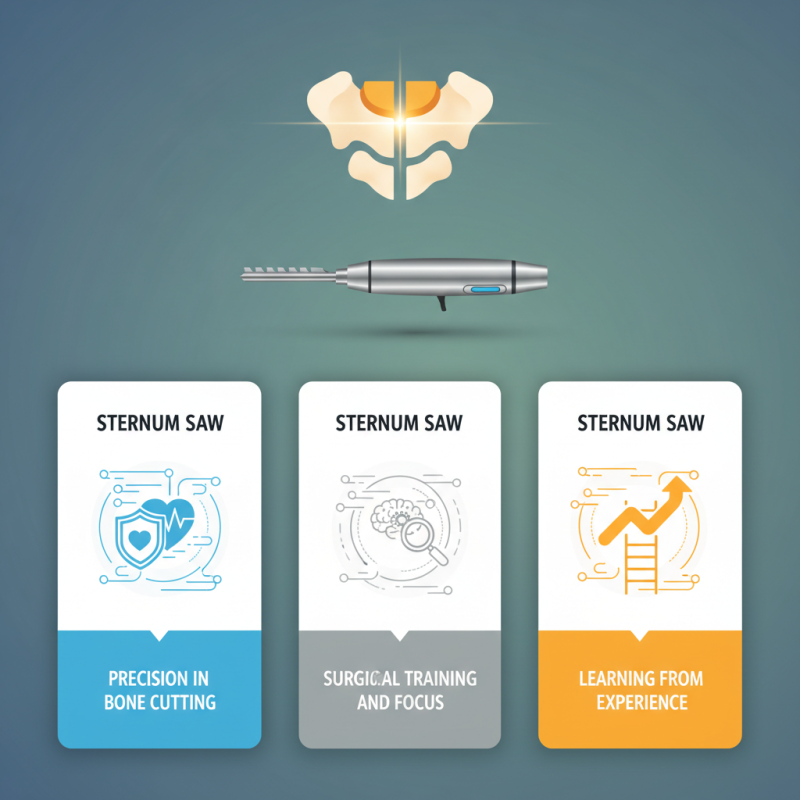
A Sternum Saw offers precision in cutting through bone. Surgeons must be trained to handle it with care. The risks associated with improper use can be significant. It requires attention and focus throughout the procedure. Even experienced surgeons can face challenges. Small mistakes can lead to complications.
Practicing proper techniques is essential. Regular training sessions can enhance skills. However, it is equally important to reflect on past experiences. Learning from mistakes ensures continuous improvement. Each surgery is unique and presents its own set of challenges.
Choosing the Right Sternum Saw for Your Needs
Choosing the right sternum saw is vital for both safety and efficiency in the surgical environment. When selecting a sternum saw, consider factors such as blade size, weight, and ergonomic design. A study published in the Journal of Cardiothoracic Surgery indicated that a significant percentage of surgical complications arise from improper equipment choices. About 35% of surgeons reported that the wrong saw could compromise procedural outcomes.
Tips for effective use include familiarizing yourself with the saw's specifications before surgery. Practice handling the saw in a simulation environment if possible. Proper sterilization is crucial; ensure that all parts are cleaned and stored correctly. Also, be mindful of the fatigue that can arise from prolonged use. The right saw should not only feel balanced but also be easy to maneuver.
Selecting a saw based on these criteria can significantly impact the surgical process. However, many surgeons acknowledge that the learning curve may lead to mistakes. One surgeon stated, "I've made choices that weren't ideal in the past." Reflecting on such experiences can guide better decisions in the future. Each operation presents a learning opportunity.
Essential Safety Precautions When Using a Sternum Saw
When using a sternum saw, safety is paramount. Ensure you wear protective gear, including gloves and goggles. These items shield you from potential injuries. A clean workspace minimizes hazards. Keep instruments organized. Distraction can lead to mistakes, so stay focused.
Always check the saw for proper functioning before each use. Inspect the blades for wear. A dull blade increases the risk of slipping. Position the patient adequately to access the sternum easily. Adjust lighting for optimal visibility; shadows can hide critical areas.
Take your time. Rushing can result in errors. If you feel unsure, consult with a more experienced colleague. Pause to reflect if something feels off. It's okay to step back and reassess. Precision is crucial, and every detail matters. The goal is safety for both you and the patient.
Step-by-Step Guide to Proper Sternum Saw Techniques
When using a sternum saw, safety is paramount. Begin by ensuring that all necessary equipment is available. Make sure to wear protective gear, including gloves and goggles. Position the patient securely on the operating table. Check the saw's blades for any damage before starting. A well-maintained saw promotes effective use and minimizes risks.
As you approach the procedure, visualize the incision area clearly. Engage your tools gently at the sternum's midline. Steady, even pressure is key. Pay attention to the saw’s vibrations. If it feels off, pause and reassess your technique. Many operators rush through this step but it's vital for safety.
During the cutting, watch for any unexpected resistance. It could indicate bone anomalies that require careful navigation. After the incision, ensure that blood vessels are not compromised. A minor oversight here can lead to serious complications. Reflecting on each phase of the process is crucial for improvement. Your technique can always evolve to better ensure safety and effectiveness.
Cleaning and Maintenance Tips for Sternum Saws
Cleaning and maintaining sternum saws is crucial for optimal performance. Regular maintenance helps prevent failures during procedures. According to the Journal of Cardiothoracic Surgery, equipment-related issues can lead to complications in about 20% of surgeries. This highlights the importance of keeping tools clean and functional.
To clean a sternum saw, use a non-corrosive cleaner. Pay attention to the blade and housing. A dirty blade can lead to inadequate cuts. Flushing the saw with disinfectant after each use is also recommended. It ensures any biological material is removed, decreasing the risk of contamination.
Storage plays a significant role in the lifespan of surgical tools. Keep saws in a dry, clean environment to avoid rust. Dental instruments' maintenance guidelines suggest storing tools in a climate-controlled area. This practice can extend longevity and performance. Reflect on the condition of the saw before each use. Minor neglect can result in major issues.
Sternum Saw Maintenance and Usage Effectiveness
Common Mistakes to Avoid During Sternum Saw Procedures
Using a sternum saw requires precision and care. One common mistake is rushing through the procedure. Surgeons may underestimate the importance of methodical movements. This can lead to unnecessary complications. Each cut needs to be deliberate and measured. A steady hand is crucial for maintaining control.
Another issue is inadequate preparation. Equipment must be checked thoroughly. If a saw is not in optimal condition, it can compromise the entire procedure. Surgeons should always ensure that they have the right suction and lighting. These details matter. Skipping these checks can lead to unexpected outcomes.
Overconfidence is a significant risk too. Some may not seek assistance when needed. Surgical teams should communicate openly. Collaboration can prevent mistakes that occur from working in isolation. Humility in practice can lead to better results. Recognizing that every procedure has its challenges is essential for improvement.