Top 10 Tips for Choosing Exterior Cladding Materials?
Choosing the right exterior cladding is crucial for building durability and aesthetics. In the U.S., the exterior cladding market is expected to reach $210 billion by 2025. This underscores the significance of informed material selection. The right choice can enhance energy efficiency, reduce maintenance costs, and improve curb appeal.
Material performance varies widely. For example, wooden cladding may offer warmth but requires regular upkeep. In contrast, metal cladding is durable yet can be prone to dents. A 2019 report from the Home Innovation Research Labs showed that over 40% of homeowners consider longevity a top priority. This highlights the need for thoughtful evaluation.
Consider environmental impact as well. Sustainable options like fiber cement and composites are gaining popularity. They offer both aesthetic appeal and reduced ecological footprint. Remember, exterior cladding not only defines a building's look but also affects its functionality. Reflecting on different materials is essential for achieving both beauty and practicality.
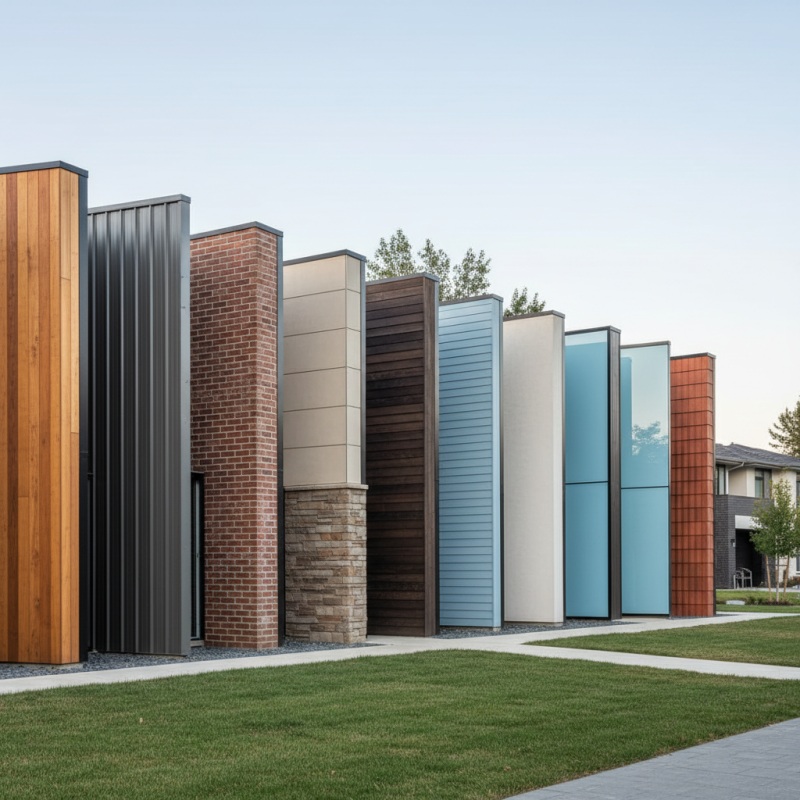
Understanding the Different Types of Exterior Cladding Materials Available
When selecting exterior cladding materials, understanding the options available is crucial. There are several types to choose from, each offering unique benefits and challenges. For instance, vinyl siding is popular due to its affordability and low maintenance. However, it may not offer exceptional insulation. In a recent study, about 30% of homeowners reported dissatisfaction with vinyl's durability against extreme weather conditions.
Wood cladding provides a classic aesthetic but requires regular upkeep. Over time, it can succumb to rot and insect infestation. A report from the National Wood Flooring Association found that untreated wood has a lifespan of around 10 to 15 years in harsh climates. In contrast, stone and brick are highly durable, often lasting over 50 years. Yet, their installation can be costly and labor-intensive.
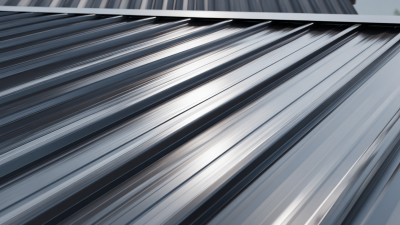
Metal cladding, like aluminum, is gaining traction for its modern look and sustainability. However, some homeowners worry about potential dents and scratches. A survey indicated that 25% of users feared wear and tear on their cladding. Ultimately, choosing the right material demands careful consideration of visual appeal, durability, and maintenance needs.
Top 10 Exterior Cladding Materials
This chart illustrates the popularity of different exterior cladding materials based on their use in recent construction projects. The data highlights the increasing trend of sustainable materials and the classic appeal of traditional options.
Evaluating Durability and Maintenance Requirements of Cladding Options
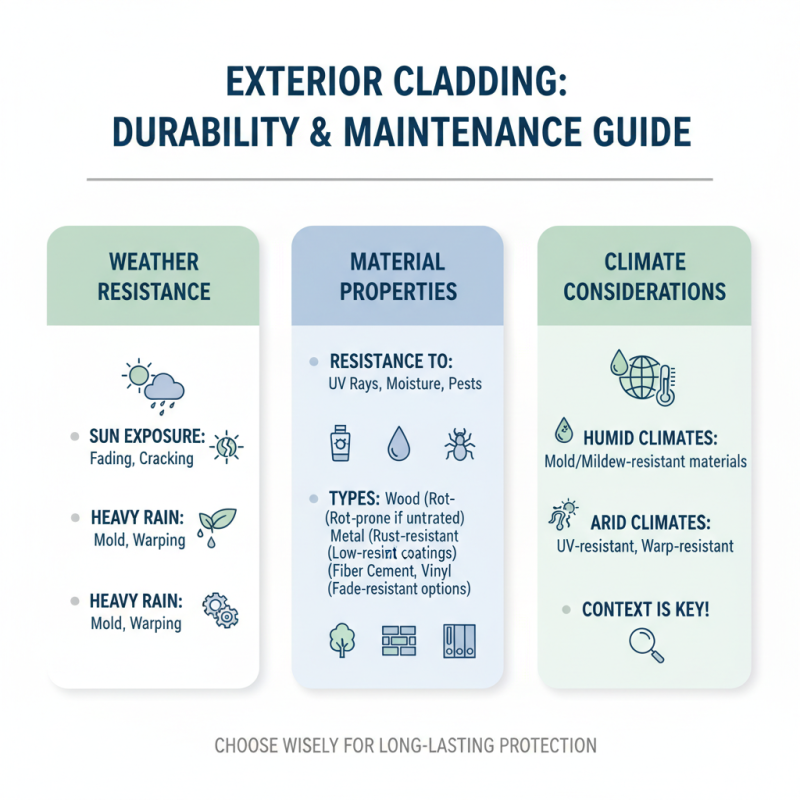
When evaluating durability and maintenance requirements for exterior cladding materials, several factors come into play. One must consider how well the material withstands weather conditions. Cladding exposed to harsh sunlight or heavy rain may deteriorate faster. It's crucial to find options that resist fading, rot, and mold. The climate significantly impacts material longevity. Materials that thrive in humid areas differ from those ideal for arid climates, so context matters greatly.
Maintenance is another vital consideration. Some materials demand frequent upkeep, which can be a burden. Natural wood, for example, may require annual staining to prevent decay. Conversely, metal cladding often needs less frequent care. Analyzing the time and cost associated with maintenance can guide your decision. Remember, while some options may seem appealing, they could lead to disappointment if they require constant attention.
Selecting the right cladding is about balancing aesthetics with practical requirements. The ideal choice offers beauty and durability while minimizing maintenance. Taking the time to evaluate these aspects will lead to a more informed decision, ultimately enhancing your home's exterior.
Assessing Climate Suitability for Various Cladding Materials
When selecting exterior cladding materials, it’s crucial to consider the local climate. Different materials perform uniquely under varying weather conditions. Wood may look stunning, but it can be prone to rot in humid areas. Meanwhile, metal might be durable but can heat up excessively in sunny climates. Each material has its strengths and weaknesses that require careful thought.
Rainy regions call for materials that resist moisture effectively. Fiber cement can withstand heavy rainfall without deteriorating. It does not swell or suffer water damage easily. For dry climates, however, stucco could provide better insulation. It has a natural breathability that helps regulate temperature. These choices reflect how climate shapes material functionality, yet some homeowners overlook these factors.
Choosing poorly can lead to issues down the line. It's tempting to go for aesthetics over practicality. Yet, in the end, it’s better to prioritize long-term performance. A beautiful facade can turn problematic if it doesn't suit local weather. Consideration of the environment is crucial. Balancing style and function is not always straightforward, but it is necessary for a successful project.
Analyzing Cost-Benefit Considerations in Cladding Material Selection
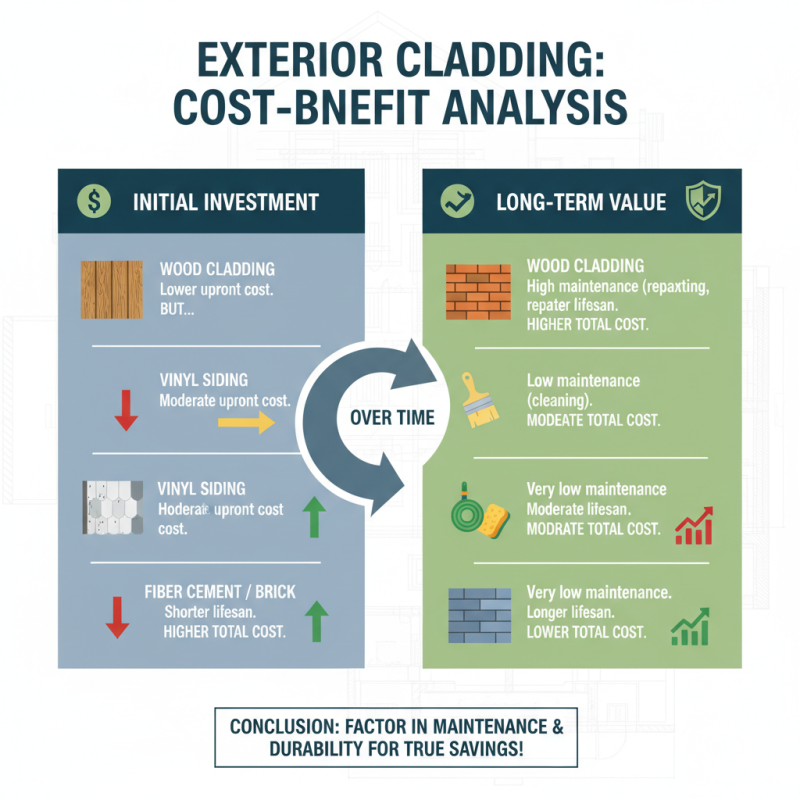
When selecting exterior cladding materials, cost-benefit considerations are critical. The initial investment may not reflect long-term savings. Materials that seem cheap upfront could lead to higher maintenance costs. For example, wood cladding might look appealing, but it often requires more upkeep than other options.
One important tip is to assess the lifespan of each material. Some materials, like fiber-cement, offer durability and resistance to harsh weather. Yes, they might be pricier initially, but less frequent replacements equate to savings over time. Another tip is to evaluate the insulation properties of cladding materials. Proper insulation can significantly reduce energy bills.
Placement and design factors also impact costs. Custom designs may increase material expenses. Therefore, consider standard sizes to keep costs down. It's crucial to reflect on these aspects before making a choice. Not every decision will fit all projects perfectly. Each option has its trade-offs that deserve careful analysis.
Exploring Aesthetic and Design Impact of Exterior Cladding Choices
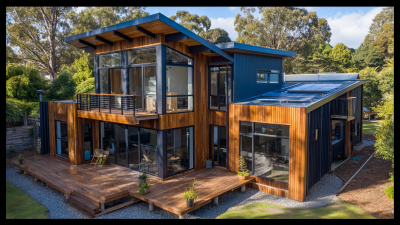
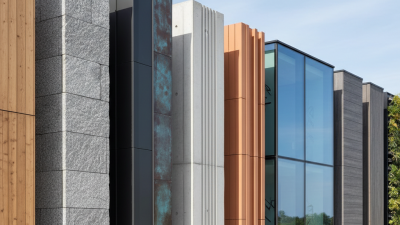
When selecting exterior cladding materials, aesthetics and design impact should be at the forefront. The right choice can transform a building's appearance. A well-chosen cladding can enhance textures and colors. It creates first impressions that resonate. For example, wood offers warmth, while metal delivers a sleek, modern look. Each material conveys a different message.
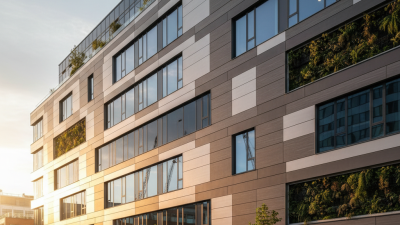
Consider durability alongside aesthetics. For instance, a beautiful wood finish may require more maintenance. Stone offers longevity but can feel cold and uninviting. Mixing materials can provide a unique design. The interplay of textures can draw the eye. However, it may lead to a chaotic look if not balanced properly.
Think about the surrounding environment too. Cladding should complement the landscape. A vibrant color can clash in a muted setting. Reflect on how your choices will age. Colors fade, and materials weather over time. The initial appeal is important, but longevity is key. Materials should be both beautiful and practical.