Top 10 Building Materials for Sustainable Construction Needs?
In the realm of sustainable construction, the choice of building materials plays a crucial role. Robert Thorne, a renowned expert in sustainable architecture, once stated, "The materials we choose today will shape our environment tomorrow." This statement highlights the importance of selecting the right materials for eco-friendly buildings.
Sustainable building materials can reduce energy consumption and lower carbon footprints. Recycled steel, bamboo, and rammed earth are examples that exemplify this trend. Each material has unique benefits and challenges, which require careful consideration. For instance, while bamboo is quickly renewable, it may face issues regarding moisture and pests.
Professionals must stay informed about innovations in building materials. The market is evolving with new composites and eco-friendly options. However, not all materials labeled "sustainable" are truly effective. This complexity calls for continuous evaluation and reflection on choices made in the building process. As we build for the future, the impact of our material choices cannot be overlooked.

Top 10 Sustainable Building Materials for Eco-Friendly Construction
Sustainable construction relies on innovative materials. Here are some top options for eco-friendly building.
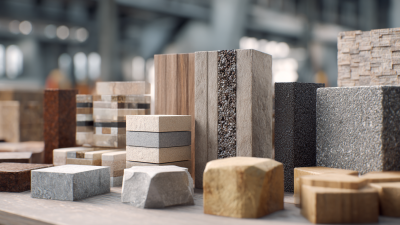
Bamboo stands out due to its rapid growth and strength. It's lightweight yet incredibly durable. Recycled steel minimizes waste and reduces energy use in production. Using reclaimed wood not only enhances aesthetics but also lowers carbon footprints.
Tips: Considering local sourcing can reduce transportation emissions. Opting for materials that require less energy to manufacture is a smart choice.
Cork, harvested from the bark of trees, is both renewable and an excellent insulator. Compressed earth blocks provide natural thermal mass, enhancing energy efficiency. Rammed earth walls are not new but are gaining fresh attention due to their sustainability.
Remember, not every solution fits every project. Experimentation is essential. Sustainable choices may sometimes lead to imperfections, prompting further exploration.
Understanding Sustainable Construction and Its Importance in the Industry
Sustainable construction plays a crucial role in reducing environmental impact. This approach focuses on minimizing waste and maximizing resource efficiency. It emphasizes using materials that have a lower carbon footprint. The construction industry is one of the largest polluters. Thus, adopting sustainable practices is essential for its future.
The importance of sustainable construction cannot be overstated. It fosters energy efficiency, which can lower operating costs for buildings. Moreover, it promotes the use of renewable resources, which can help combat climate change. However, the transition can be challenging. Not all stakeholders are aware of sustainable options. Some traditional practices remain deeply rooted, complicating efforts for change.
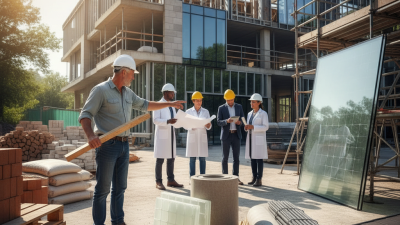
Implementing sustainable construction requires collaboration among architects, engineers, and builders. Awareness must grow around alternative materials. These include recycled metals, bamboo, and reclaimed wood. Each option offers specific benefits but also comes with drawbacks. Balancing performance, cost, and environmental impact is not simple. Continuous education and adaptation will be necessary to make meaningful progress.
Top 10 Sustainable Building Materials
Analyzing the Environmental Impact of Traditional vs. Sustainable Materials
The environmental impact of traditional building materials is significant. Concrete and steel, two staples in construction, contribute heavily to carbon emissions. Reports indicate that cement production alone accounts for about 8% of global CO2 emissions. This raises concerns about sustainability in the construction sector.
In contrast, sustainable materials such as bamboo and recycled steel offer viable alternatives. Bamboo grows rapidly and absorbs more CO2 as it matures. Similarly, recycling steel reduces the need for virgin materials, lowering environmental strain. A study showed that using recycled steel can cut down emissions by 30%. However, transitioning to sustainable materials is not without challenges. Availability and cost can hinder adoption on large projects, requiring more research and development.
Many traditional materials are deeply entrenched in construction practices. Architects and builders often rely on familiar options, which can impede innovation. The challenge lies in balancing traditional practices with sustainable choices. A gradual shift towards greener materials is essential for the industry to make meaningful changes. More education and awareness are needed to drive this transition.
The Role of Recycled Materials in Reducing Construction Waste
The construction industry generates a significant amount of waste. Approximately 1.3 billion tons of construction and demolition waste is produced globally every year. Recycled materials play a crucial role in mitigating this issue. They can substantially reduce the volume of waste sent to landfills. Using recycled materials also lowers the demand for new raw materials.
Recycled concrete aggregates, for instance, can be reused in new concrete projects. Studies show that replacing up to 30% of virgin aggregates with recycled ones can reduce carbon emissions by 20%. Similarly, reclaimed wood is being adopted more frequently. It preserves natural forests and requires less energy for processing. The Environmental Protection Agency reports that using recycled aluminum can save as much as 90% of energy compared to producing new aluminum.
Nonetheless, reliance on recycled materials presents challenges. Quality can vary, affecting the structural integrity of new constructions. Furthermore, the availability of high-quality recycled materials may not meet increasing demand. These hurdles highlight the need for continued innovation and investment in recycling technologies. Fostering an environment of sustainable building practices remains a complex, yet necessary undertaking.
Advances in Green Technologies: Innovations in Sustainable Materials
Sustainable construction is evolving rapidly. Innovations in green technologies lead the way in creating eco-friendly materials. These advancements are crucial for reducing our environmental impact. Materials like recycled plastic, bamboo, and hemp are now widely used. They offer excellent durability while minimizing waste.
Tips for implementation: Always consider the source of materials. Sustainable choices often come from local suppliers. This reduces transportation emissions and supports the local economy. Choose materials that not only look good but also perform well in various conditions. Remember, not every new material is right for every project. Some may still come with challenges.
Emerging methods like 3D printing use minimal materials, cutting down on waste. However, these technologies are still in their infancy. They require further development to ensure reliability. The construction industry must embrace a trial-and-error process. Experience will guide us toward better decisions and practices. Emphasizing education on new materials will promote responsible usage among architects and builders.
Conclusion
Sustainable construction is increasingly vital in the building industry, emphasizing the importance of eco-friendly practices and materials. This article explores the top 10 sustainable building materials that are essential for environmentally-conscious construction. By analyzing the environmental impact of traditional versus sustainable materials, it highlights how innovative building materials can significantly reduce pollution and resource depletion.
Moreover, the role of recycled materials in minimizing construction waste is pivotal, fostering a circular economy. Advances in green technologies have led to remarkable innovations in sustainable building materials, making them more accessible and effective. The article also includes case studies of successful sustainable construction projects worldwide, demonstrating the practical application of these materials and their positive implications for the future of construction.