Top 10 Building Panels Buyers Guide for Global Sourcing?
Building panels play a crucial role in modern construction. They offer versatility, durability, and efficiency. According to industry expert John Smith, “The choice of building panels can dramatically affect project outcomes.” This emphasizes how significant these materials are for builders and designers alike.
As global sourcing becomes more common, understanding different types of building panels is essential. Buyers face choices among various materials like wood, metal, and composite options. Each type has its benefits and drawbacks. It’s not just about price; factors like insulation and environmental impact matter.
Many buyers overlook these aspects. They often focus solely on cost, which can lead to suboptimal decisions. Without proper knowledge, the risk of investing in inferior products increases. Building panels should enhance a structure’s functionality and aesthetic appeal.
Understanding Building Panels: Materials and Types
Building panels are essential in modern construction. They serve various purposes, including insulation, aesthetics, and structural integrity. Understanding the materials and types available is crucial for buyers seeking global sourcing.
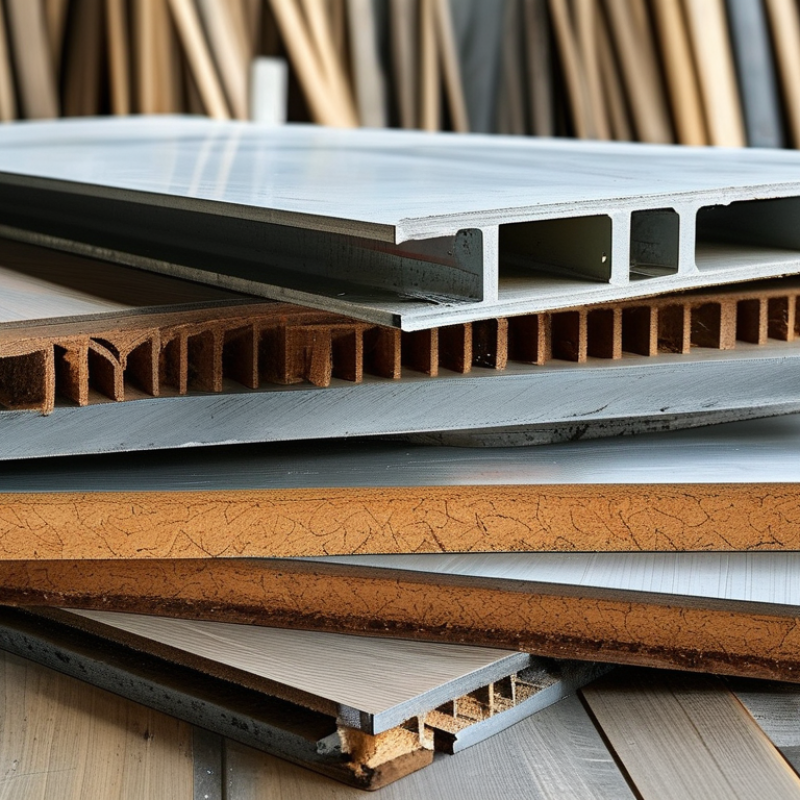
Common materials for building panels include wood, metal, and composite substances. A recent report shows that wood panels hold about 30% of the market share due to their sustainability and performance. Steel panels, on the other hand, offer superior durability and resistance to extreme weather, appealing to commercial construction demands.
Composite panels, made from a mix of materials, are gaining traction for their lightweight nature and versatility.
In the quest for optimal solutions, buyers must also consider the drawbacks. Wood can be prone to rot and pests, while metal might corrode if not appropriately treated. Composite materials, while versatile, can present challenges in recycling and environmental impact. Balancing these factors can be a daunting task. An understanding of local regulations and material performance is vital for making informed choices in this competitive landscape.
Key Factors to Consider When Sourcing Building Panels
When sourcing building panels, several key factors come into play. Understanding the role of materials is crucial. Different panels offer varying insulation values and durability. For example, consider thermal performance. Some materials retain heat better than others. This can significantly impact energy efficiency in buildings. Also, lightweight panels may reduce transportation costs, but their strength should not be compromised.
Another vital aspect is the supplier's reliability. Trustworthy suppliers ensure quality control measures are in place. They provide certifications to meet industry standards, which are essential. Also, consider lead times and flexibility. Projects often face unexpected changes, so a supplier that can adapt quickly is invaluable.
Lastly, sustainability practices should not be overlooked. Eco-friendly panels help in reducing the carbon footprint of a building. Buyers should ask about the sourcing processes and life cycle of the materials. It's necessary to weigh upfront costs against potential long-term savings. Careful selection based on these factors can lead to more informed decisions in building panel procurement.
Top 10 Global Suppliers of Building Panels
When sourcing building panels, understanding the global suppliers is crucial. Numerous companies specialize in various types of building panels, including structural, facade, and insulation panels. Each supplier often caters to different regions and construction needs. This can create challenges when selecting the most suitable option.
In recent years, companies from Europe and Asia have gained prominence in this market. They offer innovative solutions that meet stringent building regulations. Many suppliers focus on sustainability, providing eco-friendly materials that minimize environmental impact. Yet, not all suppliers maintain the same level of quality assurance. It's essential to assess their certifications and production methods closely.
Buyers should also scrutinize each supplier's track record. Reliability and experience in the industry can significantly influence project outcomes. While some suppliers boast about rapid delivery times, these claims can vary based on location and logistics. Ensuring clear communication about timelines and expectations can help avoid potential discrepancies. Ultimately, a thorough evaluation is necessary for a successful sourcing decision.
Top 10 Building Panels Buyers Guide
This chart represents the estimated market share of various types of building panels sourced globally. The data reflects the popularity and demand for different materials in the construction industry.
Comparative Analysis of Building Panels Cost and Quality
When sourcing building panels globally, cost and quality are critical factors. A comparative analysis reveals significant variations in both. For instance, materials like plywood and mineral fiber panels might offer lower upfront costs but can lead to higher long-term expenses due to maintenance needs. On the other hand, high-quality panels made from engineered wood or steel may have a higher initial investment, yet they often provide better durability and energy efficiency.
Understanding these differences is essential for making informed purchasing decisions. Buyers should consider the lifecycle costs of materials. Cheaper options may not hold up under extreme conditions, leading to repairs that offset savings. It’s also important to assess the supplier’s track record. Reliable manufacturers often have certifications ensuring product quality. Reviewing past client experiences can shed light on performance and reliability.
Many buyers overlook the importance of sustainability in panel selection. While it might seem secondary to cost, choosing environmentally friendly materials can enhance a project's reputation. Reflecting on these factors will help in making choices that align with both budget and long-term goals. By prioritizing quality over initial savings, buyers can achieve lasting results in their construction projects.
Top 10 Building Panels Buyers Guide for Global Sourcing
| Panel Type |
Cost per Square Meter (USD) |
Durability (Years) |
Thermal Insulation (R-value) |
Fire Resistance Rating |
| Plywood Panels |
15 |
10 |
2.5 |
Class B |
| Concrete Panels |
30 |
50 |
1.0 |
Class A |
| Insulated Panels |
45 |
25 |
5.0 |
Class A |
| Metal Panels |
25 |
40 |
2.2 |
Class A |
| Fiber Cement Panels |
20 |
30 |
2.0 |
Class A |
Sustainability and Innovations in Building Panel Technology
Sustainability has become a cornerstone of building panel technology. As environmental concerns rise, manufacturers innovate to reduce waste and enhance energy efficiency. Many panels now incorporate recycled materials. These moves not only decrease the carbon footprint but also promote green building certifications.
When choosing building panels, consider energy performance ratings. High-performance panels can significantly lower heating and cooling costs. Look for options with natural insulation properties. Such choices lead to long-term savings and reduced environmental impact.
Gaining insights into trends helps as well. Stay updated on new technologies and materials entering the market. Understanding these innovations allows you to make informed decisions. Exploring beyond traditional options can reveal cutting-edge solutions. Remember, what works best may vary based on specific needs or climates. Always evaluate your choices critically.