Top Reasons to Choose PVC Cladding in 2025 for Your Home Improvement Needs
As homeowners continue to prioritize durability, aesthetics, and sustainability in their renovations, the choice of materials plays a pivotal role in achieving these goals. PVC cladding has emerged as a leading option in the home improvement sector, particularly as we head into 2025. According to industry reports, the demand for PVC cladding is projected to grow significantly, with the market expected to expand at a compound annual growth rate (CAGR) of over 5% in the next few years. This surge can be attributed to the material's exceptional resistance to weather, low maintenance requirements, and versatility in design.
Furthermore, recent studies have highlighted the sustainable aspects of PVC cladding, noting its ability to be recycled and its long lifespan that reduces the need for frequent replacements. With increasing awareness around environmental impact, more homeowners are seeking eco-friendly materials that promise both performance and longevity. As the building and construction industry increasingly aligns with these sustainability goals, opting for PVC cladding not only enhances property value but also contributes to a greener future. The combination of these factors makes PVC cladding an appealing choice for those looking to improve their homes effectively and sustainably.

Benefits of PVC Cladding for Modern Home Improvements
PVC cladding has become a popular choice for homeowners looking to enhance their living spaces in 2025. One of the primary benefits of this material is its exceptional durability. Unlike traditional cladding options, PVC is resistant to weather damage, rot, and insects, making it an ideal choice for various climates. This longevity means that homeowners can enjoy their investment without the need for frequent repairs or replacements, adding value to their property over time.
In addition to its durability, PVC cladding offers a low-maintenance solution for modern home improvements. Regular painting and treatments are not required, allowing homeowners to save both time and money. Simply washing it down with soapy water is typically enough to keep it looking fresh. Moreover, the variety of finishes and colors available means that it can easily match the existing aesthetic of any home, offering flexibility in design.
**Tips:** When selecting PVC cladding, consider opting for light-colored options that can reflect heat, helping to keep your home cooler. Additionally, before installation, ensure that the underlying structure is properly prepared for the best adhesion and longevity. Lastly, always check for warranty options to maximize your investment and ensure long-term satisfaction with your choice of material.
Cost-Effectiveness of PVC Cladding Compared to Other Materials
When considering home improvement materials in 2025, PVC cladding stands out for its cost-effectiveness compared to traditional options like wood or vinyl siding. PVC cladding boasts a lower initial purchase price, which is especially appealing for homeowners on a budget. Furthermore, the long lifespan of PVC reduces maintenance and replacement costs over time, making it a financially sound investment. Unlike wood, which may require regular painting or sealing, PVC cladding is designed to withstand the elements with minimal upkeep, resulting in savings that can accumulate significantly over the years.
Tips for choosing PVC cladding include assessing your specific needs and local climate conditions. This ensures you select the right thickness and style for durability and aesthetics. Additionally, consider the installation process; opting for a product that offers straightforward installation can save you on labor costs. Finally, check for energy efficiency ratings, as some PVC cladding options can contribute to improved insulation in your home, further enhancing cost savings on heating and cooling bills.
Durability and Weather Resistance of PVC Cladding
PVC cladding has emerged as a popular choice for homeowners looking to enhance the aesthetic and functional aspects of their properties. One of the standout benefits of PVC cladding is its remarkable durability, which significantly reduces the need for frequent maintenance. According to a report by the National Association of Home Builders, PVC materials can last upwards of 50 years with minimal wear and tear, substantially outpacing traditional wood options that typically require regular painting, sealing, or replacement. This longevity not only supports a lower lifetime cost but also assists in maintaining the property’s visual appeal over time.
In terms of weather resistance, PVC cladding excels in various climatic conditions. Its non-porous surface prevents moisture absorption, reducing the risk of mold and decay commonly associated with wood and fiber cement products. The report from the Vinyl Institute indicates that PVC cladding can withstand extreme temperatures, UV exposure, and harsh weather conditions without warping or fading. This built-in resilience makes PVC an ideal candidate for areas prone to heavy rainfall, high humidity, or intense sunlight. As the demand for sustainable building materials continues to grow, choosing PVC cladding allows homeowners to invest in a resilient solution while benefiting from energy efficiency due to its insulative properties.
Aesthetic Versatility: Design Options with PVC Cladding
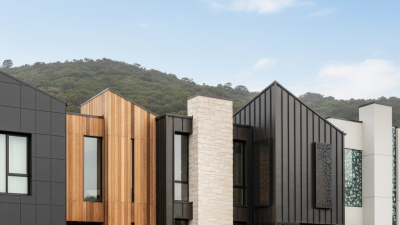
PVC cladding offers remarkable aesthetic versatility that can significantly enhance the visual appeal of any home. With a plethora of design options available, homeowners can select from various textures, colors, and finishes to suit their individual style. From vibrant hues that make a bold statement to muted tones that create a serene atmosphere, PVC cladding caters to a wide range of preferences. Moreover, its ability to mimic the appearance of natural materials like wood or stone means that you can achieve the desired aesthetic without the maintenance concerns associated with traditional materials.
In addition to its diverse color palette, PVC cladding also allows for creative installations that can transform the facade of a home. Whether it’s horizontal, vertical, or even diagonal paneling, the arrangement can dramatically change the character and perception of a building. Homeowners can explore endless combinations, integrating contrasting colors or textures for a more dynamic look. This adaptability makes PVC cladding an ideal choice for those wanting to personalize their space while ensuring it remains stylish and contemporary.
Top Reasons to Choose PVC Cladding in 2025 for Your Home Improvement Needs
This chart highlights the top reasons homeowners choose PVC cladding in 2025, depicting the importance of aesthetic variety, durability, low maintenance, cost-effectiveness, and energy efficiency, helping you make an informed decision for your home improvement needs.
Eco-Friendly Aspects of PVC Cladding in Sustainable Home Design
In recent years, the demand for eco-friendly building materials has surged, with PVC cladding emerging as a popular choice for sustainable home design in 2025. One of the key reasons for this shift is PVC's excellent durability, which reduces the need for frequent replacements. By opting for PVC cladding, homeowners can significantly decrease their overall environmental impact. Its resistance to moisture, pests, and extreme weather conditions means less maintenance and fewer resources needed over time, aligning perfectly with the principles of sustainability.
Additionally, PVC cladding is often made from recycled materials and is 100% recyclable at the end of its life cycle. This closed-loop system helps to minimize waste in landfills and promotes a circular economy. The lightweight nature of PVC also results in lower energy consumption during transportation and installation, further contributing to its eco-friendly credentials. By choosing PVC cladding, homeowners can enjoy not only a stylish and modern exterior but also a responsible option that supports sustainable practices in home improvement.