2025 Top Trends in Wall Cladding Composite for Modern Architecture
In recent years, the construction industry has witnessed a significant transformation, particularly in the realm of architectural design. The advent of advanced materials has revolutionized building aesthetics and functionality, with wall cladding composites emerging as a leading trend. According to a report by Market Research Future, the global wall cladding market is projected to reach approximately USD 274 billion by 2025, driven by a growing demand for innovative materials that offer both visual appeal and sustainability. Wall cladding composites provide architects with versatile solutions that not only enhance thermal insulation but also improve energy efficiency, aligning with modern green building standards.
The shift toward urbanization and rising awareness of environmental issues have placed composite materials at the forefront of modern architecture. These materials combine durability with design flexibility, allowing for creative expression in facade design. Industry experts note that wall cladding composites can reduce the carbon footprint of buildings, thus playing a crucial role in combating climate change. As we approach 2025, the trends surrounding wall cladding composites indicate a preference for eco-friendly options that integrate seamlessly with natural landscapes while offering robust performance characteristics. Understanding these trends is essential for architects, builders, and investors seeking to stay ahead in an ever-evolving market.
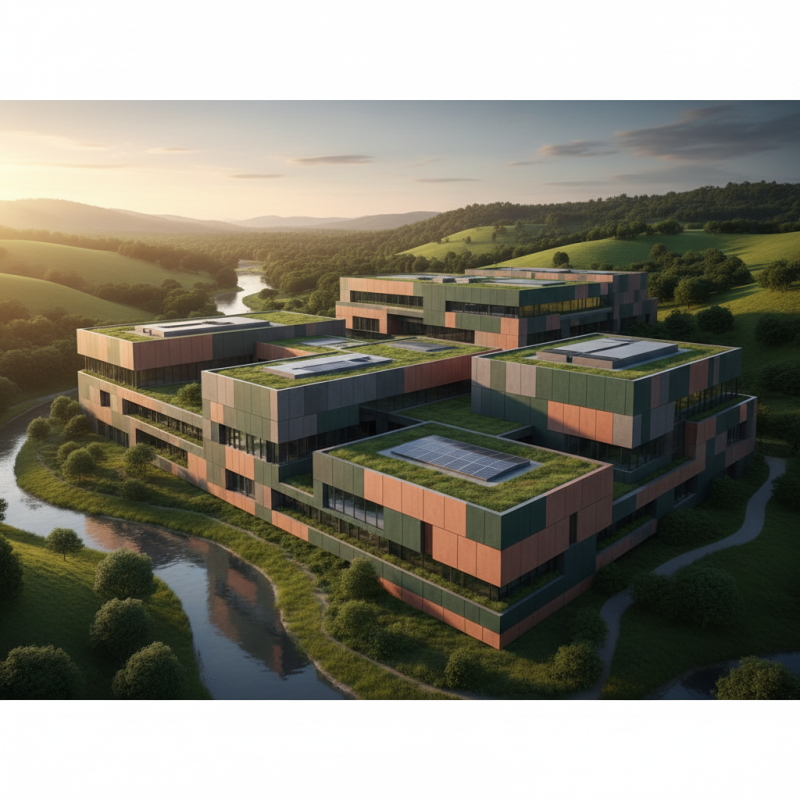
Top Innovations in Wall Cladding Composites for 2025 Modern Design
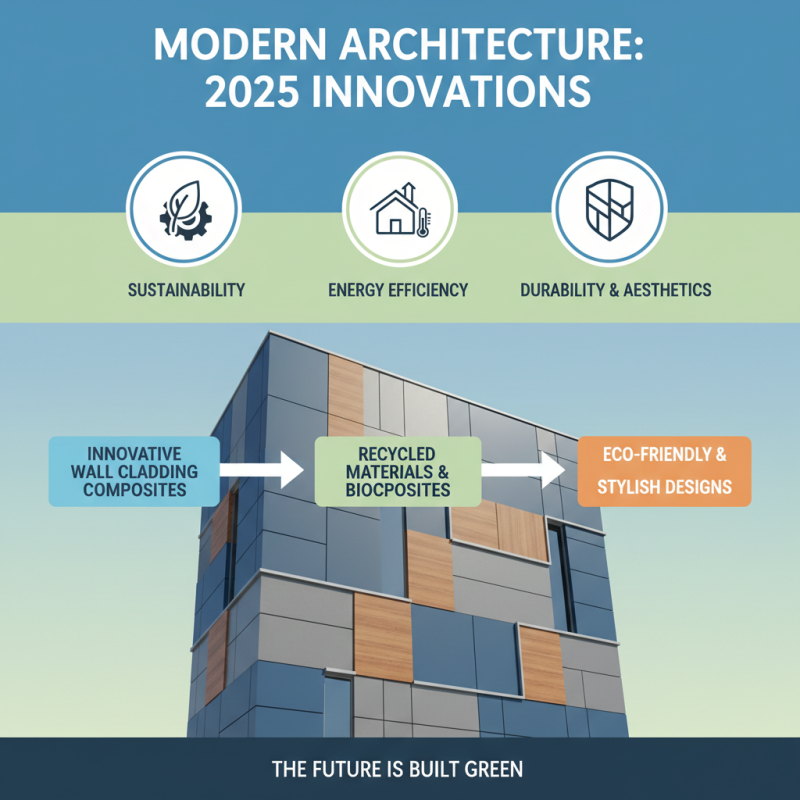
The world of modern architecture is evolving rapidly, especially with the introduction of innovative wall cladding composites in 2025. These materials not only enhance aesthetic appeal but also contribute to energy efficiency and sustainability. Architects are increasingly drawn to options that combine durability with visual appeal, leading to the rise of composites made from recycled materials or biocomposites. These developments ensure that the designs remain not only stylish but also environmentally friendly, catering to the growing demand for sustainable construction practices.
Tips: When selecting wall cladding composites, consider the local climate and environmental factors to ensure longevity and performance. Products offering UV resistance and thermal insulation can significantly improve the energy efficiency of a building, ultimately lowering operational costs.
The versatility of wall cladding composites in 2025 is another exciting trend. Designs can now easily transition between various finishes, textures, and colors, allowing architects to create bespoke solutions tailored to individual projects. Innovations in manufacturing processes also mean that these materials are now easier to install and maintain, reducing labor costs and project timeframes.
Tips: Always opt for materials that provide ease of maintenance, as this will ensure your architectural design retains its beauty over time without excessive upkeep. Choosing antimicrobial coatings can also help in maintaining cleanliness and hygiene, particularly in urban environments.
Sustainable Materials in Wall Cladding: Eco-Friendly Options for Architecture
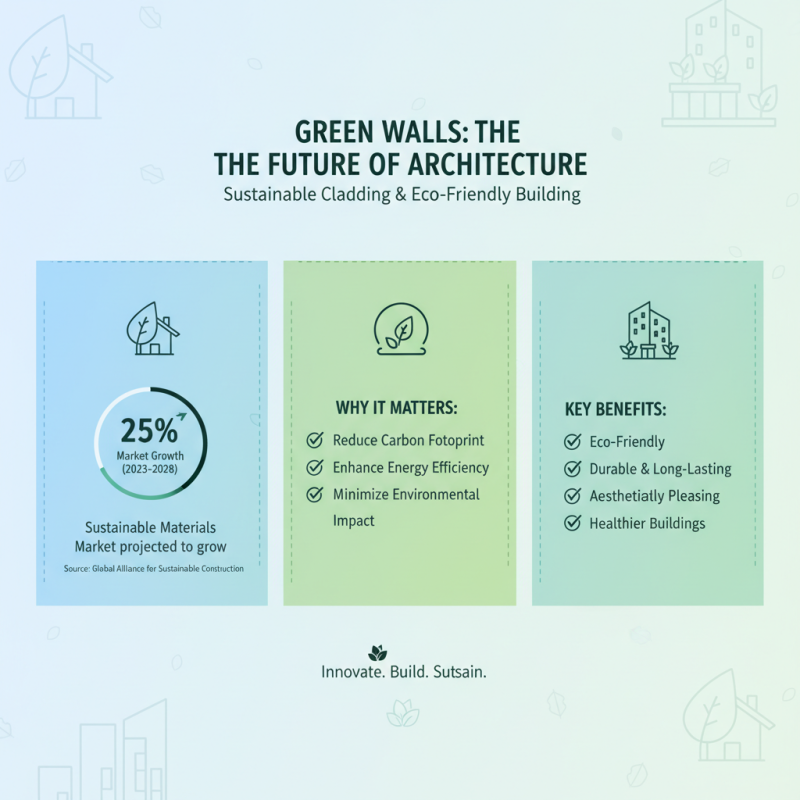
The architectural landscape is increasingly embracing sustainable materials for wall cladding, driven by a global movement towards eco-friendly building practices. According to a report from the Global Alliance for Sustainable Construction, the market for sustainable construction materials is projected to grow by 25% from 2023 to 2028. This burgeoning interest reflects a growing awareness of the environmental impact of traditional building materials, prompting architects and builders to seek out alternatives that minimize carbon footprints and enhance energy efficiency.
One standout option in wall cladding is the use of recycled composites. Recent studies from the Construction Materials Journal show that composite materials made from recycled plastics and natural fibers not only reduce waste but also offer enhanced durability and thermal insulation. Additionally, innovations in biocomposites derived from agricultural byproducts are gaining traction, addressing both waste management and resource conservation concerns in modern architecture. These materials not only contribute to healthier living environments by reducing emissions during production but also improve the overall sustainability profile of the building.
The shift towards sustainable wall cladding options is further emphasized by government incentives and green building certifications that encourage the adoption of eco-friendly materials. In 2023, approximately 38% of new construction projects were reported to utilize certified sustainable materials, according to the Sustainable Building Council. As urban development continues to rise, the integration of sustainable wall cladding materials in modern architecture positions itself as not just a trend but a crucial part of responsible design in an increasingly eco-conscious world.
Aesthetic Trends: Colors and Textures in Composite Wall Cladding
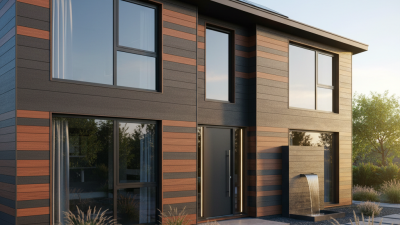
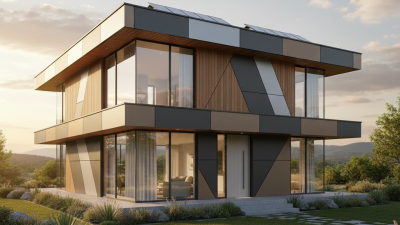
In 2025, the aesthetics of composite wall cladding are set to revolutionize modern architecture by embracing innovative colors and textures. A recent industry report projects that the market for composite materials will grow by 10% annually, driven by a rising demand for sustainable, visually appealing building solutions. The palette of available colors is expanding, with trends leaning towards earthy tones like terracotta and slate, as well as vibrant hues that add an element of personality to architectural designs. Textures are also evolving, with finishes that mimic natural materials, such as wood grain or stone, providing an organic feel while maintaining durability.
When selecting composite wall cladding, consider combining different textures and colors to create unique visual contrasts that enhance the building's character. Layering materials can add depth; for instance, pairing smooth surfaces with textured finishes can provide a dynamic appearance. Additionally, staying informed on color trends can ensure that your choices resonate with both contemporary aesthetics and timeless appeal.
**Tips:** Prioritize the longevity of colors in the design process, ensuring they remain vibrant against weathering and UV exposure. Utilize simulations or samples to visualize how different combinations work together before finalizing your selections. Engaging with trends while maintaining architectural integrity will ensure your project stands out in the landscape of modern design.
2025 Top Trends in Wall Cladding Composite for Modern Architecture
| Trend |
Description |
Color Palette |
Texture Types |
Sustainability Features |
| Natural Earth Tones |
Incorporating shades of brown, green, and beige to blend with natural surroundings. |
Olive Green, Terracotta, Sand |
Matte, Rough |
Recycled materials, Low VOC paints |
| Bold Contrasts |
Using high-contrast colors for a striking visual effect. |
Charcoal Black, Bright White |
Sleek, Smooth |
Energy-efficient materials, Durable finishes |
| Textured Layers |
Layering different textures to create depth and visual interest. |
Slate Gray, Soft Blue |
Textured Coatings, Bumpy Surfaces |
Low-impact raw materials, Long-lasting design |
| Geometric Patterns |
Incorporating geometric shapes for modern architectural designs. |
Navy Blue, Bright Yellow |
Patterned Panels, Striated Textures |
Biodegradable options, Reclaimed materials |
| Lucid Glass Elements |
Using glass elements for enhanced light transmission and aesthetics. |
Transparent, Frosted |
Smooth Glass, Polished |
Solar control glazing, Recyclable glass |
Technological Advancements Enhancing Wall Cladding Durability and Performance
The realm of wall cladding composites is witnessing significant technological advancements that are redefining durability and performance in modern architecture. Recent studies indicate that the global wall cladding market is projected to reach approximately $305 billion by 2025, driven by an increasing demand for sustainable and resilient building materials. Innovations in composite materials, particularly those that incorporate recycled content, are enhancing the structural integrity and environmental impact of wall cladding. For instance, composites such as fiber-reinforced polymers (FRP) are known for their exceptional resistance to corrosion and weathering, extending the lifespan of buildings while reducing maintenance costs.
Moreover, cutting-edge advancements in manufacturing processes, such as extrusion and casting, have led to the development of lightweight yet strong wall cladding options that can withstand extreme weather conditions. Reports indicate that these advancements have increased the performance metrics of wall cladding by up to 40% in terms of thermal insulation and overall energy efficiency, satisfying the growing consumer demand for eco-friendly construction solutions. With the integration of smart technologies, such as adaptive facades that can adjust to environmental changes, the future of wall cladding composites looks promising, paving the way for innovative designs that do not compromise on durability or aesthetic appeal.
Market Insights: Leading Manufacturers and Their 2025 Wall Cladding Solutions
As the architecture landscape evolves, wall cladding materials are at the forefront of innovation, particularly with composites gaining traction for their aesthetic appeal and functional benefits. Leading manufacturers for 2025 are focusing on sustainable materials and cutting-edge technologies that enhance durability while minimizing environmental impact. These manufacturers are exploring options that not only meet architectural demands but also exceed performance expectations, providing solutions that cater to both urban and rural settings.
When considering wall cladding solutions, architects and builders should prioritize composite materials that offer high resistance to weathering and UV exposure. It's essential to assess the insulation properties of these materials, as this can greatly influence energy efficiency in buildings. Additionally, look for cladding options that are easy to maintain, thus reducing long-term upkeep costs.
Another tip for architects is to stay updated on emerging trends, such as biophilic design, which integrates elements of nature into buildings. Exploring wall cladding that incorporates vegetation or natural textures can significantly enhance the aesthetic value of modern architecture. By carefully selecting the right composite materials, professionals can create innovative designs that not only meet practical requirements but also resonate with the contemporary demand for sustainability and visual appeal.
2025 Trends in Wall Cladding Composites for Modern Architecture
This chart illustrates the projected growth trends in various wall cladding composite materials for modern architecture by 2025, highlighting the market share of different segments based on material type.