Why Choose Floor Mat Carpet for Your Home?
Why Choose Floor Mat Carpet for Your Home? The answer begins at the doorway. Rainwater, grit, and crumbs often arrive on shoes, then spread across hard floors. A well-placed Floor Mat Carpet can help catch some of that debris and soften the feel of a busy hallway. It also adds color and texture, from a low-pile runner beside the kitchen to a plush mat near the bed.
Indoor comfort deserves careful thought. The U.S. Environmental Protection Agency’s indoor-air guidance notes that people spend about 90 percent of their time indoors, and that indoor pollutant levels can sometimes exceed outdoor levels. This does not mean carpet fixes air quality. It does mean material choice and cleaning habits matter. The Carpet and Rug Institute recommends routine vacuuming and prompt attention to spills as part of carpet care. Check the product’s care label, too; fibers and backing vary.
There are trade-offs. A thick mat may feel cozy underfoot, but it can catch dust and take longer to dry after a spill. A low-profile option may suit doorways better, though it offers less cushioning. Measure the space before buying, and check that the mat lies flat without blocking a door. Small details count. A good choice should fit the room, your cleaning routine, and the way your household moves through it. Even then, no mat stays spotless for long. That is part of living with one.
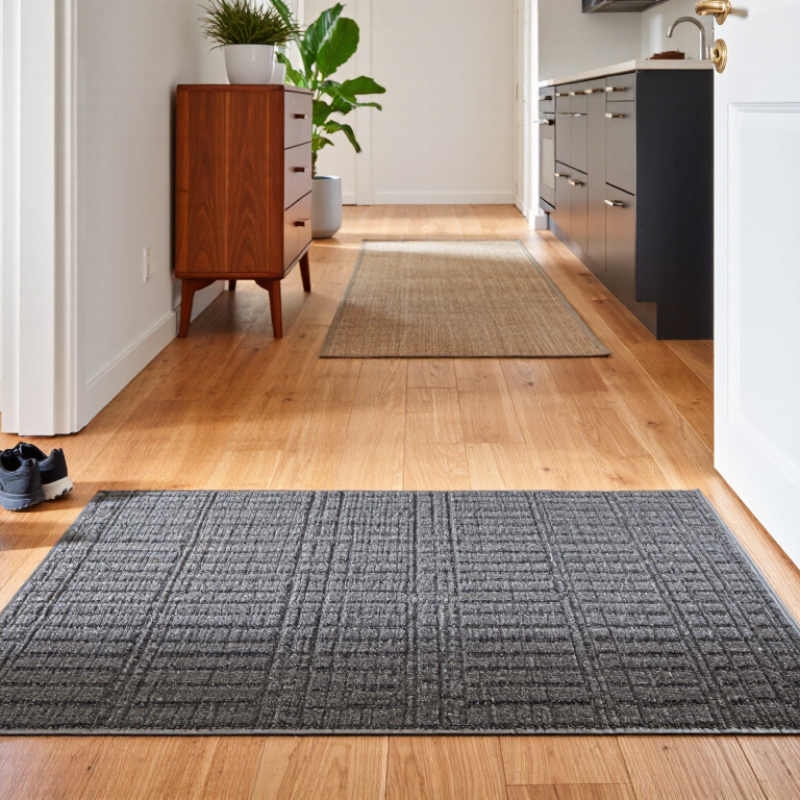
What Floor Mat Carpet Is and Where It Is Used
Why Choose Floor Mat Carpet for Your Home?
What Floor Mat Carpet Is and Where It Is Used
Floor mat carpet is a small, movable carpet designed to cover a specific area rather than an entire room. It may have a woven or tufted surface, with backing that helps it stay in place. Fibres such as nylon, polyester, or wool affect its feel, durability, and cleaning needs. Construction matters. A thick pile feels soft underfoot, but it can trap crumbs and dust more easily.
In homes, these mats often sit by entry doors, beside beds, along hallways, or beneath a dining table. An entry mat can catch some grit before it reaches larger carpets. A bedside mat offers a warmer landing on cold mornings. Kitchen mats may cushion standing, though spills and dampness can make some styles harder to maintain. Check the care label.
Placement takes a little thought. Leave enough room for doors to open, and use suitable non-slip backing on smooth floors. Even then, a mat may shift or curl at the corners over time. There is no perfect spot for every household; traffic, pets, and cleaning routines all make a difference. A quick weekly shake helps, but it will not replace occasional deeper cleaning.
Why Choose Floor Mat Carpet for Your Home? — What It Is and Where It Is Used
| Dimension | Description | Common Home Uses | Practical Considerations |
|---|---|---|---|
| What it is | A floor mat carpet is a compact textile floor covering, usually with a carpet-like surface and a backing designed to help it stay in place. | Entryways, bedside areas, kitchens, bathrooms, and other specific spots where a small covering is useful. | Check the product label for recommended surfaces, cleaning instructions, and whether a separate non-slip underlay is needed. |
| Surface materials | Common pile materials include polypropylene, nylon, polyester, and wool. Materials differ in feel, durability, moisture response, and care needs. | Synthetic fibers are often selected for busy areas or easier routine care; wool is used where a natural-fiber feel is preferred. | Fiber performance varies by construction and treatment. Follow the maker’s care guidance rather than assuming all carpets can be washed the same way. |
| Backing and grip | Backings may be made from materials such as rubber, latex, or synthetic polymers. Their grip depends on the backing, floor finish, and surface condition. | Useful in areas where a mat could shift, such as hallways or beside a bed. | Keep both the floor and backing clean and dry. Some backing materials may affect certain floor finishes; check flooring and mat care instructions. |
| Entryway use | An entry mat can help collect some dirt and moisture brought in on footwear before it spreads farther into the home. | Inside front doors, mudrooms, and other entrances. | Choose a size that allows people to step fully onto the mat. Shake or clean it regularly, and make sure it lies flat to reduce trip risk. |
| Bedroom use | A carpet mat adds a softer surface underfoot and can provide a defined accent beside a bed. | Along one or both sides of a bed, or at the foot of the bed. | Measure the available floor area and use a suitable grip solution if the mat moves on the floor. |
| Kitchen use | A mat can add cushioning underfoot in a standing area, such as in front of a sink or work surface. | Dry kitchen work zones away from open flames and hot appliances. | Spills can make a mat slippery or stain its pile. Choose a product suited to the location and clean spills promptly. |
| Bathroom use | A bathroom mat provides a textile surface near a bath or shower. Products intended for wet areas may use materials and backings suited to that setting. | Beside a bath or shower, on a suitable floor surface. | A regular carpet mat is not automatically suitable for wet floors. Follow washing and drying instructions and avoid leaving moisture trapped underneath. |
| Comfort and sound | Textile pile offers a softer contact surface than many hard floors and can help absorb some sound within a room. | Bedrooms, living areas, and other spaces where a softer surface is desired. | A small mat affects only the area it covers; it does not provide the same coverage as wall-to-wall carpet. |
| Size and placement | Floor mat carpets come in different shapes and sizes, from small bedside mats to longer runners. | Narrow hallways, doorways, bedside zones, and selected areas in larger rooms. | Measure the space before buying. Keep edges clear of doors and avoid placing mats where they obstruct walking paths. |
| Cleaning and upkeep | Maintenance may include vacuuming, shaking out loose dirt, spot cleaning, or machine washing, depending on the product. | All rooms, with cleaning frequency based on foot traffic, dust, and spills. | Read the care label before cleaning. Let a damp mat and the floor beneath it dry fully before putting it back in place. |
Note: Product construction and care requirements vary. Check the product label and confirm suitability for the intended floor and location.