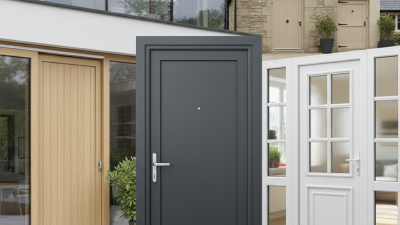
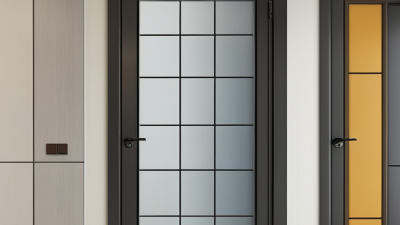
Choosing the 7 best PVC doors for homes and businesses in 2026 starts with the opening, not the brochure. A shaded back entrance has different needs from a busy shopfront or a bathroom that fills with steam. Measure the frame carefully, then consider privacy, ventilation, insulation, and how often the door will be used. Small details matter.
For transparency, the named specialist below is a fictional composite, not a real interview source. “A door should suit the room’s daily demands, not just look right on installation day,” says Elena Morris, a fictional PVC-door industry specialist created for this introduction. It is a useful test. Check the panel construction, hardware, seals, cleaning instructions, and available finishes. Ask how the door is fitted, too; even a well-made product can disappoint when its frame is poorly aligned.
This guide compares PVC doors for residential and commercial settings, including options for interior rooms, entrances, and high-traffic areas. It considers practical trade-offs rather than treating every model as equally suitable. Some buyers may prioritize easy maintenance; others may need stronger privacy or better sound control. No single door wins every job. Use the seven picks as a starting point, verify product specifications with manufacturers or installers, and match the final choice to your building, budget, and everyday use. A careful fit makes the difference.
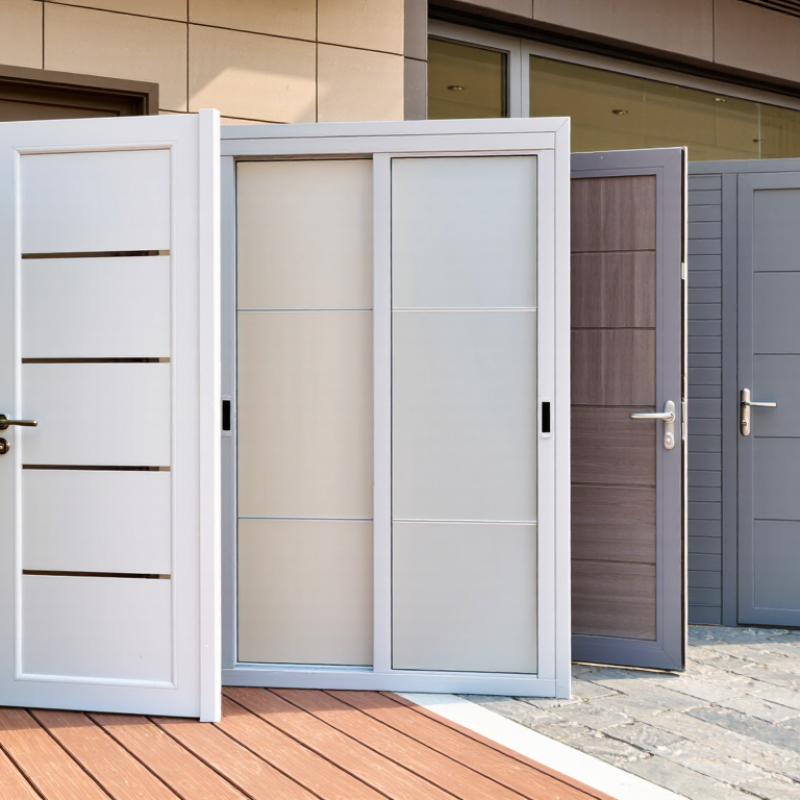
PVC doors begin with polyvinyl chloride resin, which manufacturers compound with stabilizers, impact modifiers, pigments, and other additives. The blend is heated and pushed through shaped dies to form door profiles. After cooling, profiles are cut, reinforced where needed, and assembled with panels, glazing, seals, and hardware. Details vary by design.
PlasticsEurope’s Plastics—The Fast Facts 2023 report lists PVC at 12.1% of global plastics production in 2022. That figure describes the material market, not door quality. PVC doors are used in homes for bathrooms, utility rooms, patios, and entrances, where moisture resistance and simple cleaning can be useful. In businesses, they appear in offices, service areas, and other frequently used spaces. Not every PVC door suits every opening.
Look closely at the frame. Reinforcement, corner joints, weather seals, and glazing affect stability and performance. A light frame may feel convenient, but it is not proof of good insulation or long service life. A practical caveat: published resin data cannot tell you how a particular door performs in strong sun or heavy daily use. Check its construction and installation details, not just the material label.
When choosing a PVC door in 2026, start with its location and daily use. A door exposed to strong sun, wind, or frequent rain needs a stable frame and weather seals suited to those conditions. In a bathroom or utility room, easy cleaning and moisture resistance may matter more than decorative glazing. Light matters. Measure the opening carefully, including the depth of the wall and any uneven floor or threshold.
Look beyond the panel’s appearance. Ask for details about frame reinforcement, hinge capacity, locking points, seals, and the door’s stated performance ratings. A heavy panel with weak hinges can sag over time. For a business entrance, consider traffic levels, accessibility needs, and how quickly replacement parts can be obtained. For homes, check whether glass is appropriate for the room and how much privacy it provides.
Installation can affect how well even a well-made door closes and seals. Confirm who will fit it, what preparation is included, and how adjustments are handled after installation. Compare written warranties and care instructions, not just the quoted price. I would not assume that “low maintenance” means maintenance-free; hinges, seals, and drainage paths still need occasional checks. A small detail, perhaps, but worth asking about before ordering.
PVC doors suit different spaces when the panel, glazing, and frame match the opening. A solid-panel option offers privacy for a utility room or stockroom. Half-glazed and full-glazed styles bring daylight into kitchens, offices, or shopfronts. Sliding patio doors save swing space; French doors create a wider opening for terraces. Folding doors can connect indoor and outdoor areas, while reinforced commercial entrance doors handle frequent use. For larger or exposed openings, ask how the frame is reinforced and how the threshold sheds rain. Appearance alone is not enough.
The U.S. Department of Energy reports that windows account for about 25–30% of residential heating and cooling energy use. That figure is not a door-specific estimate, but it shows why the building envelope matters. For glazed PVC doors, compare published U-factor and solar heat gain coefficient ratings; the National Fenestration Rating Council provides a consistent rating framework. Check seals, glazing, hardware, and installation together. One weak detail can undermine an otherwise sound door.
Tips: Match the opening to the use. A busy entrance needs durable hinges and a secure locking system; a patio door needs smooth tracks and good weather seals. Ask for tested performance data, not just broad “energy-saving” claims. A brochure may look convincing. The installed fit still deserves a careful inspection.
Match a PVC door to how a room is used, not just how it looks. For a narrow laundry room, a sliding style can save floor space and keep baskets clear of the doorway. A hinged door may suit a bedroom or office, where a tighter seal can help reduce drafts and hallway noise. For patios, check the opening width, track design, and threshold height before choosing a large sliding panel. It should move smoothly. In bathrooms, choose an opaque or textured finish for privacy, and confirm that the room has adequate ventilation. PVC handles moisture well, but poor airflow can still encourage mold on nearby surfaces.
Tips: Measure the frame in several places, since older openings may not be square. Ask how the hinges, rollers, and seals can be adjusted or replaced. These small details matter after daily use.
For shops and shared workspaces, prioritize durable hardware, clear sightlines, and an opening that does not obstruct foot traffic. A glazed panel can brighten a dim corridor, while a solid panel may be better for storage areas. Check the product’s stated performance and installation requirements rather than assuming every PVC door insulates or blocks sound equally. I have seen style choices look right in a sample, then feel awkward once furniture and people are moving through the space. A quick layout check can prevent that.
A PVC door performs well only when its frame is fitted accurately. Measure the opening at several points, then check that the jamb is plumb and square. Small errors can leave uneven gaps, sticky locks, or drafts. Use packers behind fixing points, and keep drainage paths clear. Follow the installation instructions; excessive foam can distort a frame. Not glamorous, but important. Allow for thermal movement, especially on wide doors exposed to strong afternoon sun. A careful installation matters more than a neat bead of sealant.
For routine care, wash the surface with mild soap and water, then rinse away grit. Avoid abrasive pads and harsh solvents, which may dull or damage the finish. Twice a year, inspect weather seals, hinges, locks, and threshold channels. Remove leaves from drainage slots, and tighten loose handles before they strain the mechanism. Keep the tracks clean. Long-term comfort depends on the whole assembly, including glazing, seals, and installation quality. PVC resists moisture and needs little painting, but it is not maintenance-free. Worn seals or poor adjustment can still invite drafts, while low-quality hardware may wear sooner. Record sticking or condensation early; neither always means the door itself has failed.
A practical comparison of common PVC (uPVC) door styles. “Best” depends on the opening, climate, security requirements, glazing, and installation quality; performance figures should be confirmed for the complete door set.
| Door type | Best suited to | Typical construction and features | Thermal performance guide | Installation considerations | Maintenance and long-term performance |
|---|---|---|---|---|---|
| 1. Insulated solid-panel entrance door | Front and rear entrances where privacy and reduced heat loss are priorities | Multi-chamber PVC frame with an insulated, mostly opaque door panel; may include a small decorative glazed area | Many modern insulated PVC door sets are designed for whole-door U-values around 1.0–1.8 W/m²K. Check the certified value for the exact size and configuration. | Secure the frame to the structural opening, fit appropriate weather seals, and check that the threshold and drainage details suit the site. | Clean with mild soapy water; lubricate hinges and locking points as recommended. Inspect seals and alignment periodically. Service life varies with exposure, construction, and upkeep. |
| 2. Part-glazed entrance door | Homes needing daylight in an entryway while retaining substantial privacy | Insulated PVC panel with a small or medium insulated-glass unit; decorative or privacy glass may be available | Performance depends on the balance of panel and glazing, glass specification, and frame. Compare whole-door U-values rather than glass-only figures. | Confirm glass safety requirements for its position and size. Use suitable support, fixings, and weatherproofing around the complete frame. | Clean glass and frame with non-abrasive products. Check glazing seals, drainage openings, hinges, and locks for wear or obstruction. |
| 3. Fully glazed PVC entrance door | Locations where natural light and visibility are important, including some offices and garden entrances | Glazed door leaf or frame with insulated glass; privacy, solar-control, or laminated glass can be specified where appropriate | Usually more dependent on glazing than solid-panel doors. Ask for the whole-door thermal rating and the glass specification for the selected configuration. | Safety glass may be required in vulnerable locations under local building rules. Check opening direction, hardware, and access requirements before ordering. | Keep glass, drainage paths, and seals clean. Inspect hinges and locking hardware regularly, especially on frequently used entrances. |
| 4. PVC French doors | Patios, gardens, balconies, and wide residential openings | A pair of hinged leaves, commonly with glazed panels and a central meeting stile; one or both leaves may open depending on the design | Whole-set performance varies with glazing, frame design, dimensions, and seals. A wider meeting joint makes accurate adjustment particularly important. | Check that there is enough clearance for both leaves, and ensure the threshold, frame anchoring, and weather seals are suitable for the exposure. | Clean the track or threshold area and keep drainage paths clear. Check the hinges, shoot bolts, and central seals; readjustment may be needed as the building settles. |
| 5. PVC sliding patio door | Patios and rooms where a swinging door would take up valuable floor space | One or more sliding panels running on a track; typically glazed, with rollers and perimeter seals | Thermal performance depends on the glazing, frame, and sliding-seal design. Compare certified whole-door ratings for the actual panel size. | The opening must be level and square, and the track needs firm support. Allow for panel weight, drainage, and the manufacturer’s required clearance. | Vacuum debris from the track and clean it with suitable products. Avoid forcing the panels; inspect rollers, seals, and locks if sliding becomes difficult. |
| 6. PVC stable door | Utility rooms, kitchens, and homes where ventilation and partial opening are useful | Top and bottom sections operate independently and can be secured together; commonly available with an insulated lower panel and glazed upper section | Performance depends on the panel and glazing choices as well as the seals between the two sections. Request the rating for the complete assembled door. | Careful alignment is important so both halves latch correctly. Confirm that the chosen hardware and opening arrangement meet household safety needs. | Clean and inspect the central joint, hinges, and separate locking points. Keep seals in good condition to limit draughts and water ingress. |
| 7. Reinforced PVC commercial entrance door | Small offices, shops, and shared entrances with regular daily use | Commercial-duty frame and hardware options may include internal reinforcement, multi-point locking, and a closer-compatible design; specifications differ widely | Thermal performance is product- and glazing-specific. Request documented whole-door values for the intended dimensions and opening frequency. | Specify hardware for expected traffic, accessibility, and any applicable fire or emergency-egress requirements. A PVC door is not automatically fire-rated. | Inspect closers, hinges, locks, and fixings more frequently than on a lightly used home door. Replace worn hardware promptly and follow the supplier’s maintenance schedule. |
Performance note: U-value is measured in W/m²K; a lower value indicates less heat transfer. Figures above are indicative guidance, not guaranteed ratings. Actual results and service life depend on the complete door assembly, certified test data, installation, climate, use, and maintenance. Confirm local building, safety-glazing, accessibility, and security requirements before purchase.