Top Benefits of Composite Wall Cladding for Your Home Exterior
Composite wall cladding has emerged as a leading choice for homeowners seeking both aesthetics and functionality in their home exteriors. According to a recent report by the Building Materials Association, the use of composite materials in construction has increased by over 30% in the last five years, driven by their durability and low maintenance requirements. This dramatic rise highlights a growing recognition among homeowners of the long-term benefits that composite wall cladding can bring to their properties.
Expert in the field, Dr. Emily Carter, a materials scientist with over two decades of experience, states, "Composite wall cladding not only enhances the visual appeal of a home, but it also significantly improves energy efficiency and weather resistance." This dual advantage makes composite wall cladding a superior choice for those looking to elevate their home's exterior while also investing in sustainability. As energy costs continue to rise, the demand for materials that offer insulation and durability will likely continue to grow, positioning composite wall cladding as a smart investment for modern homeowners.
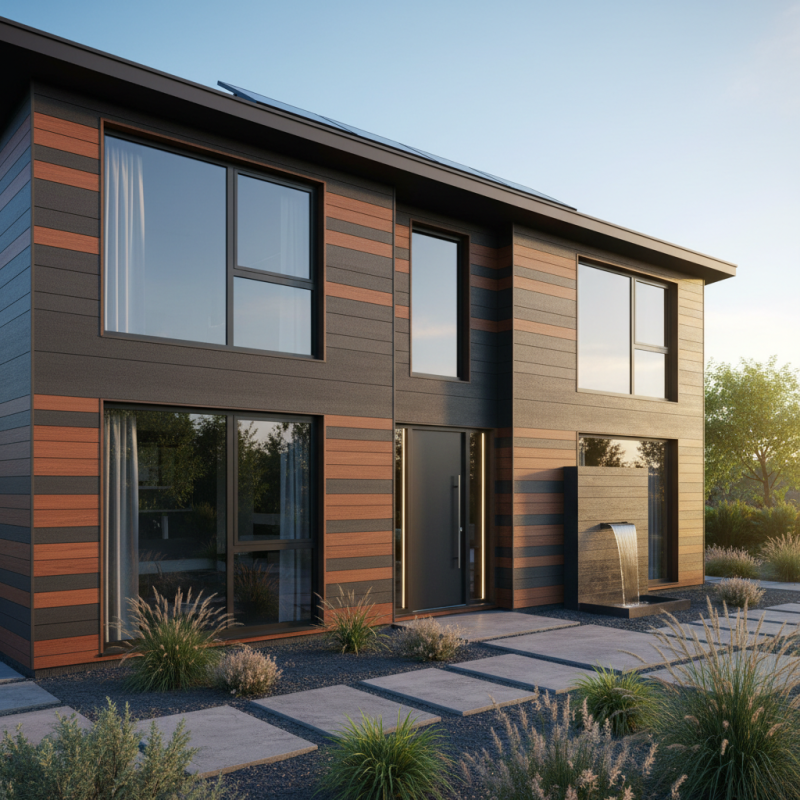
Overview of Composite Wall Cladding and Its Growing Popularity
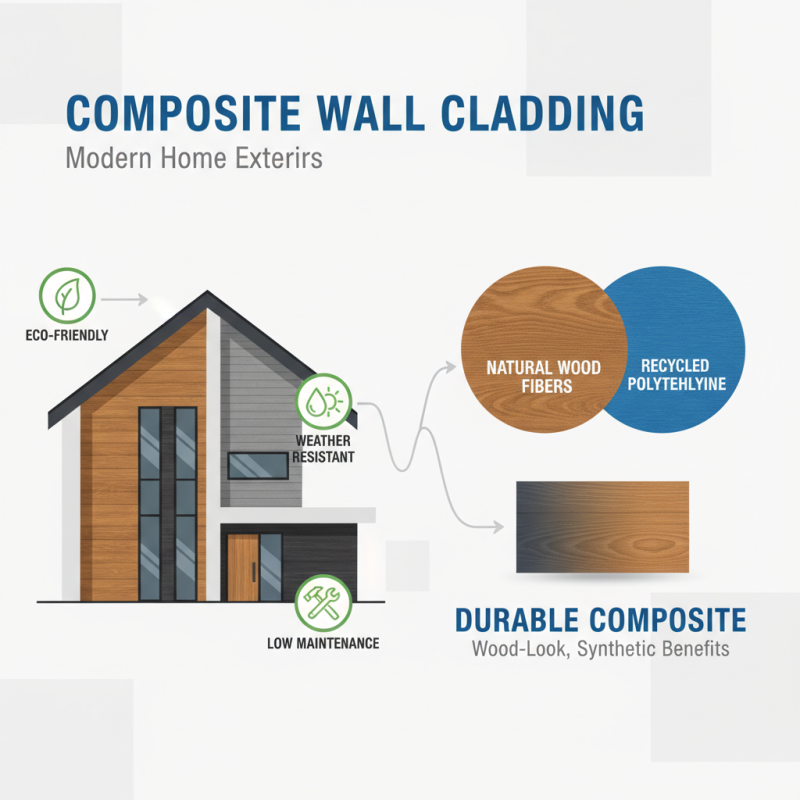
Composite wall cladding has become increasingly popular in recent years, transforming the way homeowners approach exterior design. This innovative material combines synthetic and natural components, offering a unique blend of durability and aesthetic appeal. As more homeowners seek sustainable and cost-effective building solutions, composite wall cladding has emerged as a favored choice, thanks to its impressive resistance to weathering, pests, and rotting.
The growing popularity of composite wall cladding can also be attributed to its versatility in design. Available in various colors, textures, and finishes, it caters to diverse architectural styles, making it suitable for both contemporary and traditional homes. Additionally, the low maintenance requirements of composite materials mean that homeowners can enjoy their beautiful exteriors without the constant upkeep often associated with wood or traditional siding. As awareness of the benefits of composite wall cladding continues to spread, more people are likely to consider it for their home improvement projects.
Key Features and Materials Used in Composite Wall Cladding
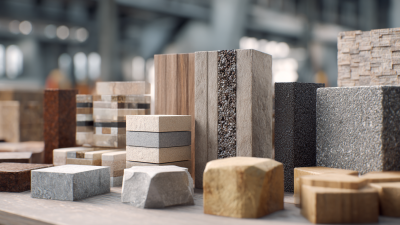
Composite wall cladding has become increasingly popular for home exteriors, offering both aesthetic appeal and practical benefits. One of the key features of composite wall cladding is its diverse range of materials. Typically, composite cladding is made from a blend of recycled wood fibers and high-density polyethylene, creating a durable product that mimics the appearance of natural wood without the maintenance issues. This modern approach allows homeowners to enjoy the warm look of wood while benefiting from the weather-resistant properties of synthetic materials.
When considering composite wall cladding, it's crucial to remember proper installation techniques to maximize longevity. **Tip:** Always choose high-quality fasteners that are resistant to corrosion to ensure lasting performance. Additionally, ensure that the cladding is installed with proper ventilation gaps, which can prevent moisture from being trapped behind the panels and prolong the life of the cladding.
Another advantage of composite wall cladding is its low maintenance requirement. Unlike traditional wood cladding that needs regular staining or painting, composite options are designed to resist fading and can be cleaned easily with soap and water. **Tip:** Regularly clean the surfaces to maintain their appearance and functionality. By selecting the right materials and components, homeowners can enjoy a beautiful, lasting exterior that enhances the overall value of their property.
Environmental Benefits of Using Composite Wall Cladding
Composite wall cladding has gained significant attention for its environmental advantages in modern home construction. According to a report by the Green Building Council, sustainable building materials account for a growing segment of the construction industry, with the use of composite materials reducing greenhouse gas emissions by approximately 30% compared to traditional wood siding. This substantial reduction is largely due to the innovative production processes that minimize waste and utilize recycled materials, making composites a more eco-friendly alternative.
Moreover, composite wall cladding enhances energy efficiency, contributing not only to reduced heating and cooling costs but also to a lower carbon footprint. The U.S. Department of Energy reports that well-insulated exterior wall systems can reduce energy consumption by up to 20%. By incorporating composite cladding, homeowners can benefit from improved insulation properties that help maintain indoor temperatures, thereby decreasing reliance on HVAC systems. This dual benefit of energy efficiency and sustainability positions composite wall cladding as a smart choice for environmentally conscious homeowners.
Environmental Benefits of Composite Wall Cladding
Composite wall cladding offers several environmental benefits that enhance the sustainability of your home. The chart below illustrates the key benefits measured in percentage of homeowners who report these advantages.
Aesthetic Advantages of Composite Wall Cladding for Home Exteriors
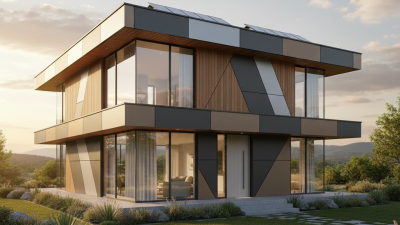
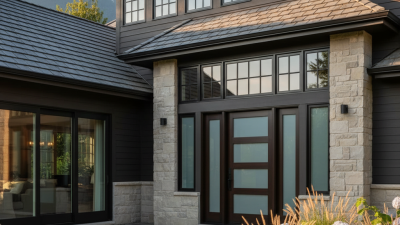
Composite wall cladding has become increasingly popular in home design, primarily due to its aesthetic advantages. This modern material mimics the appearance of traditional wood or stone while offering a sleek, contemporary finish. Homeowners can choose from a variety of colors, textures, and finishes that suit their style, allowing for a unique and personalized exterior. The versatility of composite cladding ensures that whether you prefer a rustic charm or a more minimalist look, there’s an option that fits seamlessly into your vision.
Tips: When selecting composite cladding, consider the overall architectural style of your home. Mixing different profiles can create visual interest, while staying within a cohesive color palette can enhance your home’s curb appeal. Additionally, proper installation can maximize the material’s lifespan and maintain its aesthetic integrity over time.
Another advantage is the low maintenance required for composite cladding. Unlike wood, it won’t rot, warp, or require regular painting and sealing, allowing homeowners to enjoy a beautiful exterior without the constant upkeep. This durability ensures that your home maintains its striking looks for years to come.
Tips: Opt for a brand that offers a warranty, as this reflects the manufacturer’s confidence in the product's durability. Incorporating lighting fixtures around your composite cladding can further enhance its visual impact, creating a stunning evening ambiance.
Cost-Effectiveness and Longevity of Composite Wall Cladding Solutions
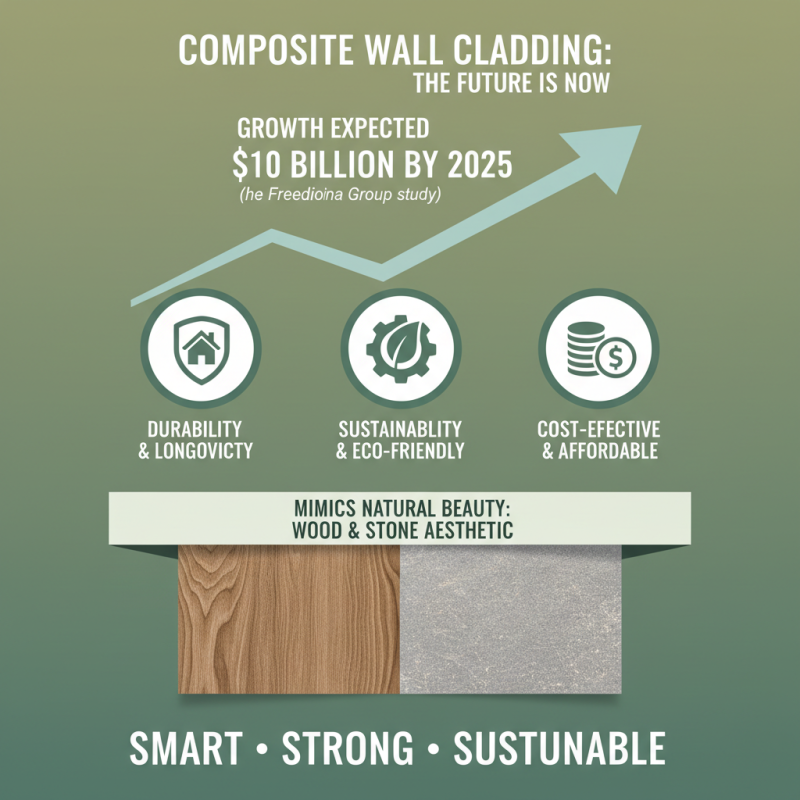
Composite wall cladding has gained traction in recent years as a popular choice for homeowners seeking durability and sustainability without breaking the bank. According to a study by the Freedonia Group, the demand for composite materials in construction is expected to grow at a substantial rate, reaching over $10 billion by 2025 due to their cost-effectiveness and long lifespan. With advancements in manufacturing, composite wall cladding can now mimic the aesthetic appeal of natural wood or stone, providing an upscale finish while maintaining an affordable price point.
In terms of longevity, composite cladding can last upwards of 25-30 years with minimal maintenance, significantly outlasting traditional materials like wood, which may require replacement after just 10-15 years. A report from The Green Building Advisor states that composite wall cladding resists rot, insects, and warping, making it a practical investment for homeowners. This longevity not only enhances the appearance of the home over time but also decreases the frequency and cost of repairs, positioning composite wall cladding as a financially savvy solution for those looking to enhance their home’s exterior.